
PublishLens Article Library
Explore source-grounded articles across engineering, applied AI, science, business, and policy, with practical context and clear topic desks for every reader.
Why Your VR Headset Makes You Sick—And How a New Platform Is Finally Solving It
A remote research platform called VERA is scaling up cybersickness studies to uncover why some people get nauseated in VR—and how to fix it for everyone.
Supply-Chain Breach at Intelligence Vendor Klue Exposes Data Across Major Cybersecurity Firms
Following the breach of market intelligence platform Klue, sensitive customer data from CRM databases was exposed. Several prominent cybersecurity companies were affected, highlighting the growing risk of middleware supply-chain attacks.
Your Brain Ignores Insults to Keep You Focused
Discover how your unconscious mind acts as a gatekeeper, filtering out negative speech during deep focus. This Hebrew University study challenges our assumptions about emotional perception and explains the cognitive mechanisms behind focus and resilience. Read related articles on The Hidden Cost of AI Optimization and The Molecular Roots of Hyperarousal.
Beyond Static Snapshots: How We Maintain Current Relationships
An exploration of the cognitive mechanisms of memory updating required to accurately track our friendships and social environments in a changing world.
Autonomous Defenders: Reframing the Phishing Threat for AI-Native Operating Systems
With the rise of AI-native operating systems and autonomous agentic workflows, the frontline against social engineering cyberattacks is migrating away from the individual employee. Instead of training humans to spot deceptive lures, the security burden is shifting to the OS and AI assistants themselves, exposing new architectural vulnerabilities like prompt injection, dynamic skill hijacking, and untrusted execution contexts.
When a Billion-Dollar Satellite Goes Dark in Orbit, Who Decides It's War?
A Mitchell Institute workshop with 50 military and academic experts gamed out scenarios including an unknown craft maneuvering near a Space Force missile-warning satellite, exploring how commanders decide when hostile space activity crosses the threshold for response.
From Therapy to Team: How I Stopped Fixing People and Started Scaling Leadership
A clinical psychologist's journey from repairing individual minds to transforming organizational behavior through executive coaching.

Ukrainian National Extradited from Ireland Pleads Guilty to Conti Ransomware Conspiracy
A Ukrainian developer extradited from Ireland pleaded guilty to conspiracy charges for coding malware loaders used by the Conti ransomware syndicate, which extorted over $150 million from hospitals and businesses worldwide.
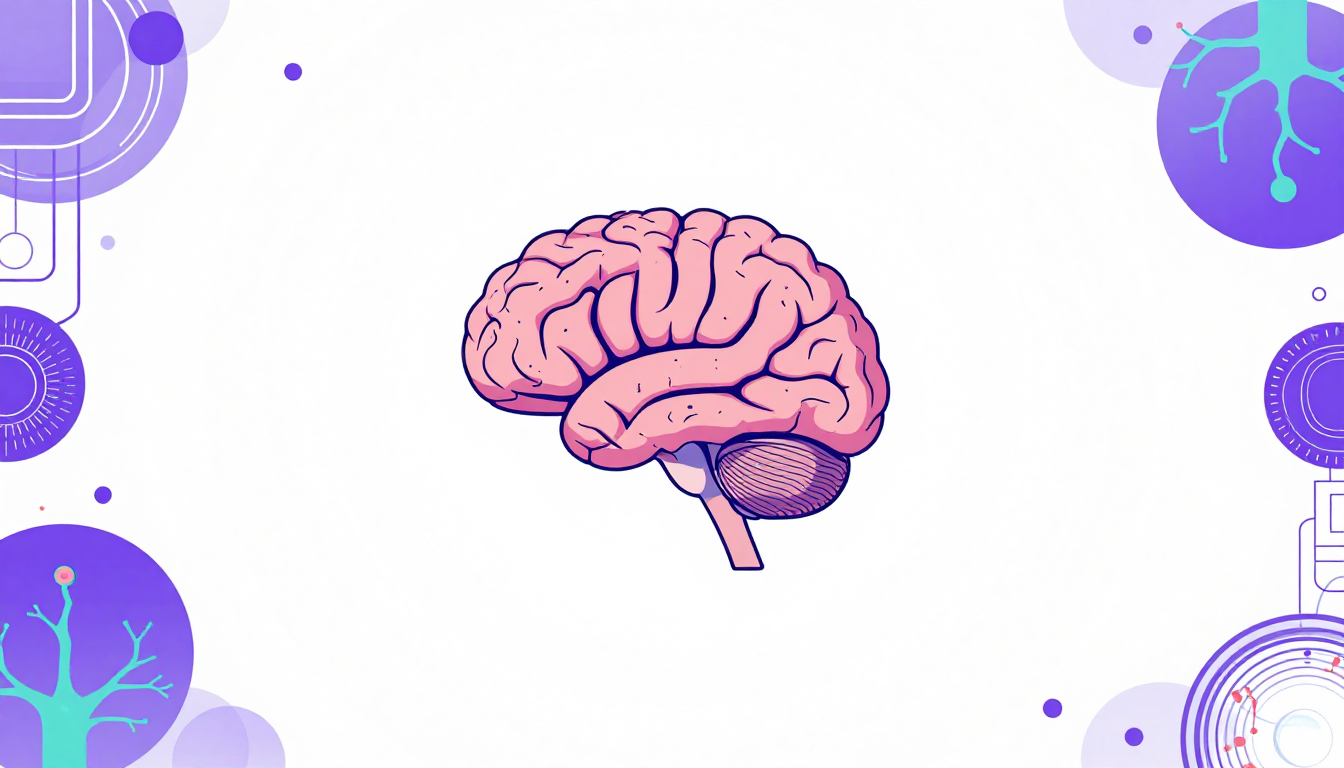
Primitive Brainstem Circuit Functions as Foundational Attention Engine
A detailed exploration of the newly discovered brainstem PLTi attention circuit and its implications for understanding ADHD and autism.
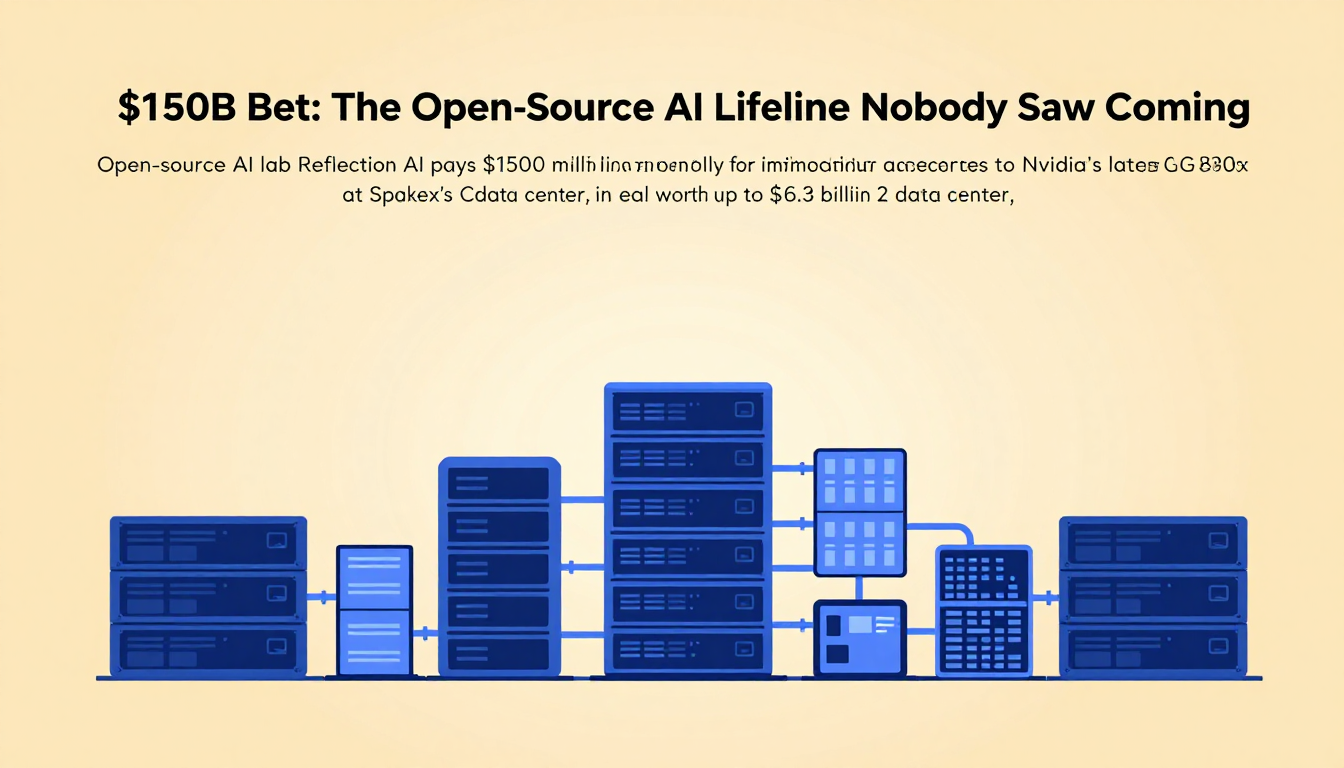
Reflection AI’s $150M Bet: The Open-Source AI Lifeline Nobody Saw Coming
Open-source AI lab Reflection AI pays $150 million monthly for immediate access to Nvidia's latest GB300 chips at SpaceX's Colossus 2 data center, in a deal worth up to $6.3 billion through 2029 — the largest announced open AI infrastructure commitment to date.
The Engineer's Engine: Inside Bezos and Bajaj's $41 Billion Bet on Physical AI
Jeff Bezos returned as co-CEO of Prometheus to solve a problem most people don't notice: the tools engineers use haven't changed in decades. With $41 billion in funding, the startup is building what it calls an "artificial general engineer" — not to replace designers, but to give them superpowers.
You're Not Tired From Doing Too Much. You're Tired From Supervising a Machine That Was Supposed to Do It for You.
The mental exhaustion plaguing modern knowledge workers isn't from using AI — it's from the cognitive overhead of constantly monitoring, correcting, and context-switching around AI systems. Research confirms that AI oversight loads produce 14% more mental effort, 12% more fatigue, and 19% more information overload than actual AI delegation.