
PublishLens Article Library
Explore source-grounded articles across engineering, applied AI, science, business, and policy, with practical context and clear topic desks for every reader.
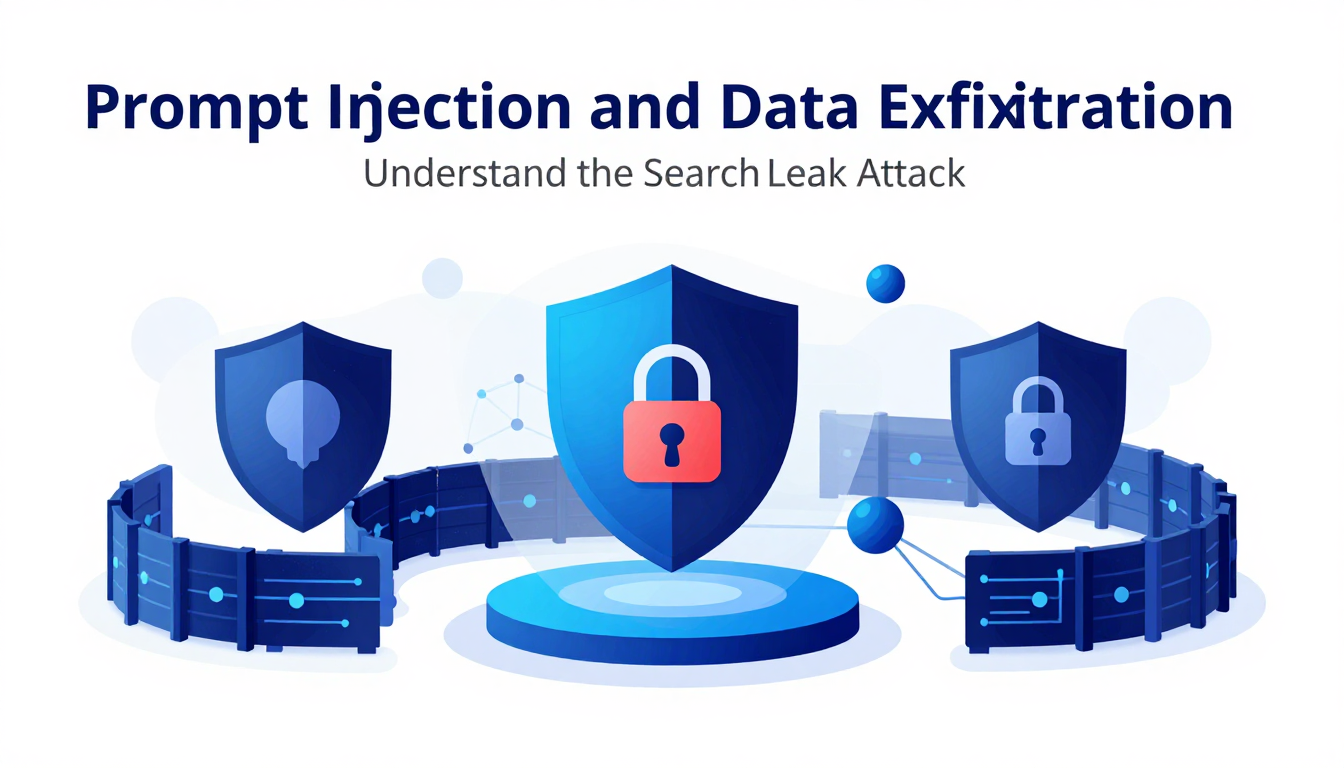
Prompt Injection and Data Exfiltration in Copilot Search
Understand the SearchLeak attack: A three-stage indirect prompt injection threat in AI-powered search. Learn detection and mitigation strategies for Secure AI deployment.

The AI Insurance Paradox: Balancing Risk and Innovation
Businesses adopting AI are finding that insurance providers are increasingly excluding or limiting coverage for AI-related risks, creating new challenges for corporate risk management.

YC Spring 2026 Demo Day: Defense Tech, AI Agents, and Infrastructure Dominate Record Valuations
YC Spring 2026 Demo Day spotlight: Defense tech, AI agents, robotics, and infrastructure startups commanded record valuations, with 9 Mothers, Arga Labs, and Silmaril leading the cohort.

CISA Orders Agencies to Patch Critical Check Point VPN Flaw
CISA has mandated that U.S. government agencies patch a critical vulnerability in Check Point security gateways following reports of its exploitation in zero-day attacks by the Qilin ransomware gang.

TechCrunch Mobility: New Robotaxi Scorecard Reveals China's Competitive Edge
Analysis of Autnmy AI's 'Road to Autonomy Index' and its findings on global robotaxi leadership. Learn more about the Robotics Category and the General Domain for further insights on leading Chinese firms like Baidu Apollo Go, Pony.ai, and WeRide.
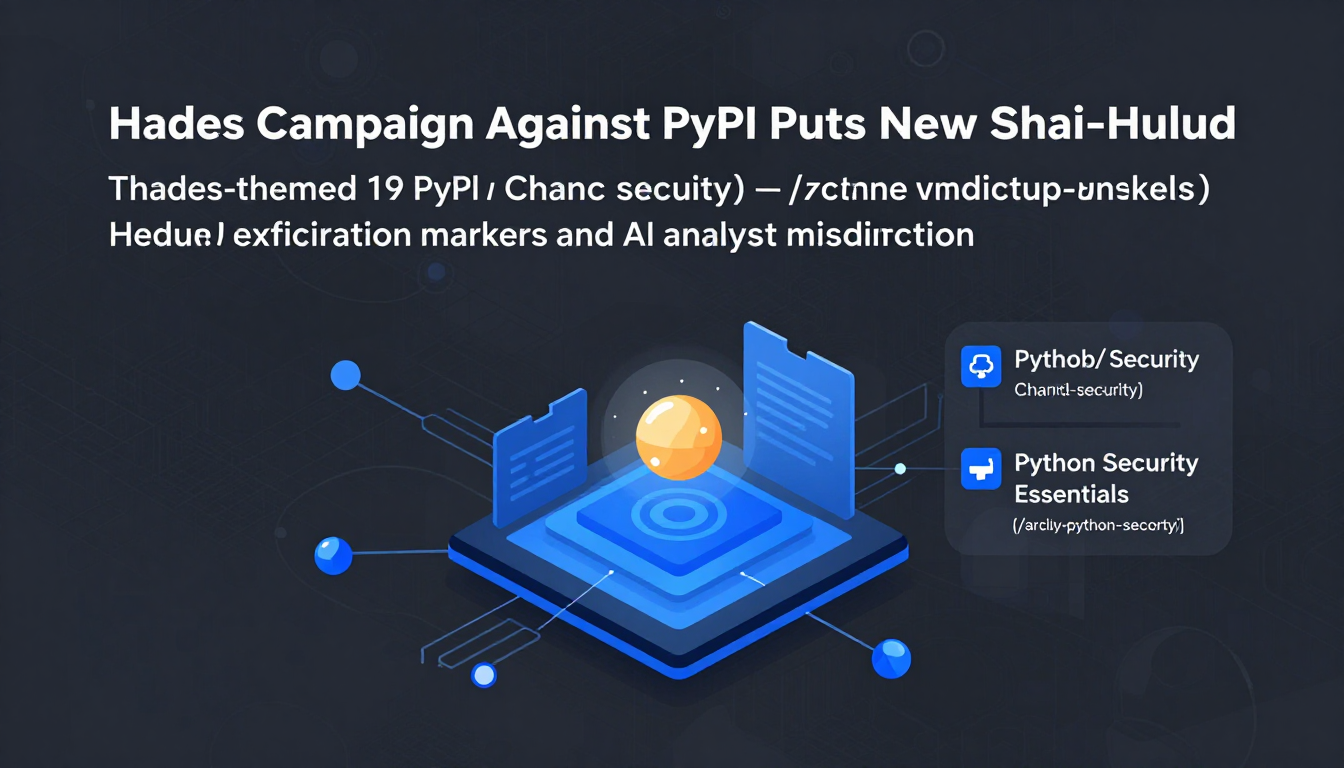
'Hades' Campaign Against PyPI Puts New Spin on Shai-Hulud
The latest Mini-Shai-hulud payload introduces Hades-themed GitHub exfiltration markers and AI analyst misdirection. TeamPCP compromised 19 PyPI packages (37 malicious wheels) via wheel startup hooks, deploying cross-platform memory scrapers and a token-revocation wiper. Read more about understanding supply chain risk in our Cyber Threat Intelligence category. Learn more about Supply Chain Security. Python Security Essentials.

The 'Sender' Spoofing Vulnerability: Misconfiguration Exploitation
An exploration of widespread email spoofing vulnerabilities stemming from misconfigured SPF, DKIM, and DMARC settings, and how attackers are actively exploiting these gaps in the wild. Ensuring robust and proactive email security posture by effectively managing and enforcing authentication protocols is more critical than ever.
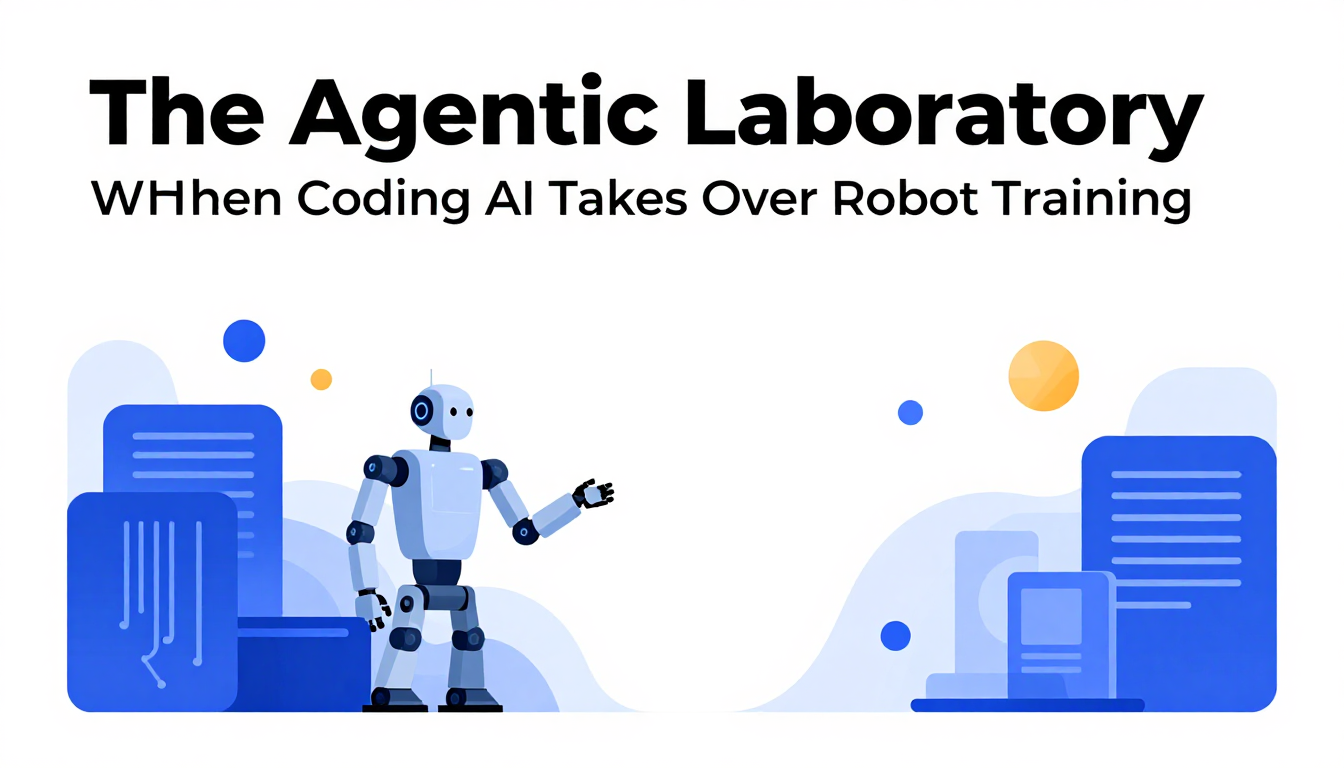
The Agentic Laboratory: When Coding AI Takes Over Robot Training
Exploring how autonomous coding agents are leveraging compute resources and massive token budgets to fundamentally reshape robotic training environments—and how this maps into the broader physical AI data infrastructure. Upgrade your insights with our analysis on OpenAI's recent robotics relaunch and data initiatives.

Cannabis Psychosis May Represent a Distinct Subtype: New Research Challenges Traditional Classification
Recent Yale research suggests cannabis-induced psychosis may be a distinct subtype rather than just drug-induced symptoms, with clinical, cognitive, and brain-based differences from non-cannabis-associated psychosis.

The Sender Is Human: Why AI-Saturated Inboxes Can't Replicate Genuine Connection
In an AI-saturated inbox, your brain still knows the difference between a message that was sent to you and one that was sent — exploring the effort heuristic, neural detection of inauthenticity, and the irreplaceable role of human presence in trust-building.

When Success Becomes a Liability: Why Leaders Struggle to Adapt
Explores the psychological paradox where past success blinds leaders to the need for strategic adaptation, and provides a framework for cultivating intellectual humility.
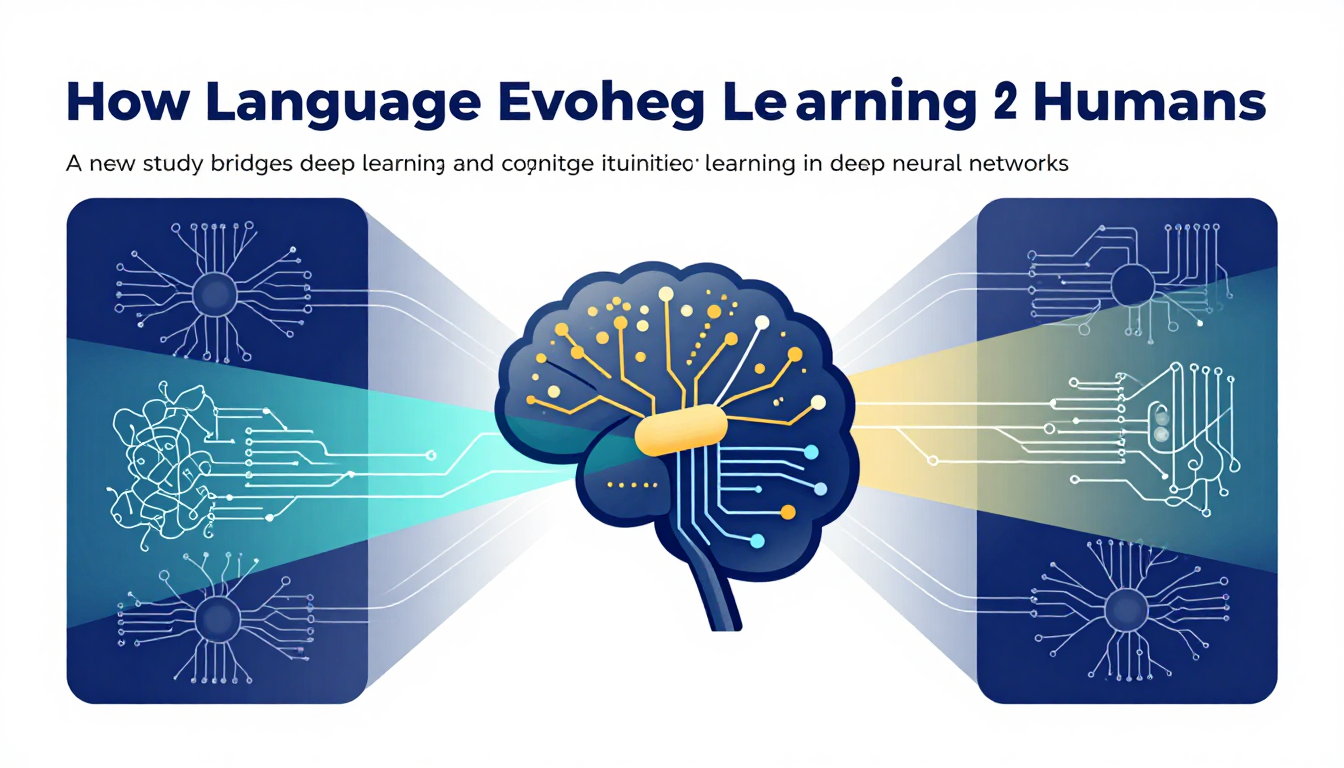
How Language Evolves for Learnability in AI and Humans: The Iterated Learning Revolution
A new study bridges deep learning and cognitive linguistics, revealing how language structure emerges through iterated learning in deep neural networks—mirroring the developmental milestones of children and uncovering fundamental principles of learnability.