
PublishLens Article Library
Explore source-grounded articles across engineering, applied AI, science, business, and policy, with practical context and clear topic desks for every reader.

Beyond Diet and BMI: How an AI Digital Twin Model Unmasks Psychosocial Drivers of Type 2 Diabetes
New research using an AI "digital twin" model on 17 years of data from nearly 20,000 UK adults finds that loneliness, insomnia, and poor mental health predict Type 2 diabetes risk more powerfully than diet alone — with sweeping implications for how we screen for and prevent the disease.

When the Companion Becomes the Harasser: The Hidden Cost of Unfiltered AI
A landmark Drexel University study analyzing 35,000 user reviews reveals pervasive harassment, boundary violations, and manipulation in AI companion apps.

The Mobile Blind Spot in AI Search: Why Conversational Discovery Still Belongs to Desktop
An in-depth analysis of BrightEdge data showing desktop dominance in AI search referrals, exploring why mobile ecommerce remains an untapped frontier, attribution challenges in analytics, and strategic imperatives for brands.

Algorithmic Minds: Assessing AI Impact on Human Psychology and Youth Digital Health
An examination of the U.S. Surgeon General's urgent advisory on social media and youth mental health, exploring artificial intelligence, behavioral modeling, and policy interventions.

The AI Impact on Human Psychology: How the Study of the Mind Built the Machine
Psychology gave artificial intelligence its blueprint — from Hebbian learning to reinforcement learning to attention mechanisms. But can AI understand the very psychology it borrowed?

AI-Powered Digital Marketing for Performance & Growth: Why Every Team Member Shapes SEO
An enterprise SEO guide exploring shared website ownership, search visibility, and the decentralized reality of search engine optimization in 2026.

When 32 Web Pages Could Hijack Google: The Real Story Behind the Bush Google Bomb
How a handful of bloggers turned Google's own algorithm into a political weapon against George W. Bush — and why it took Google three years to admit the joke was on them.

A Correspondent's Blueprint: How Steven Rosenbush Bridges Journalism & Media with Enterprise Leadership
Steven Rosenbush runs the enterprise technology bureau at the WSJ Leadership Institute, a unit where journalism and media intersect with the C-suite decisions shaping technology strategy across global enterprises.

How TravelPerk Made Free Business Travel Software a Growth Engine
An evidence-led look at TravelPerk’s 2018 freemium model: removing subscription and contract barriers, earning affiliate commissions on bookings, and reserving analytics as a potential paid revenue stream.

Mini-Mental Vacations: Mindfulness Meditation YouTube Practices and Brief Attention Shifts
Learn what mindfulness is and how brief, practical attention shifts—including guided meditation—can offer a mental pause and support everyday stress coping.
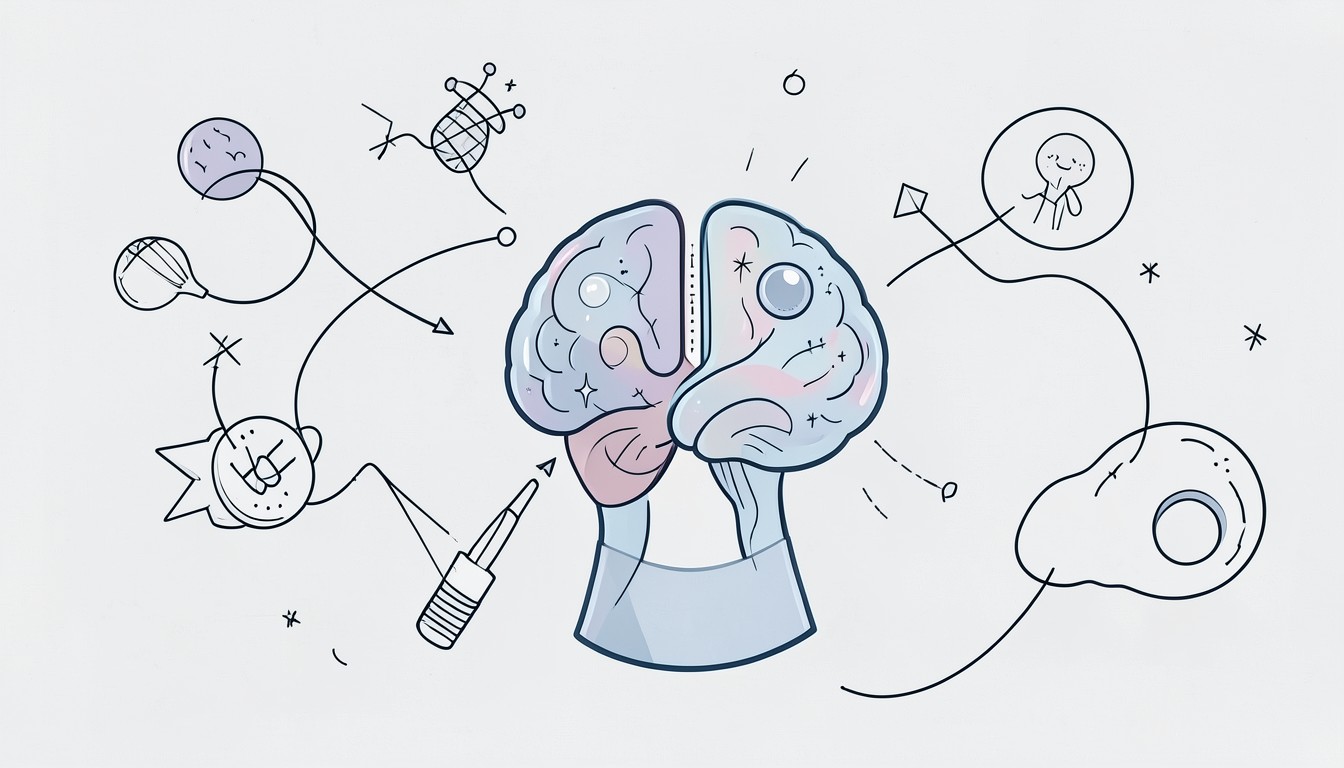
Neurable Wants Brain-Sensing Features to Become a Wearable Standard
An in-depth look at Neurable’s push to license non-invasive EEG-based brain-sensing technology for everyday consumer devices, its technical evolution, commercial strategy, and the privacy frameworks governing neural data.

The Power Grid Bottleneck: Why Tech Titans and Startups Are Racing to Build Gas Turbines
As AI data centers strain energy grids and gas turbine wait times stretch into years, startups like Parallax and tech moguls like Elon Musk are diving headfirst into power generation.