
Blog
Insights, guides, and updates from the ProBackend team.
Bhavin Turakhia’s Fifth Bet: Why Neo Isn’t Just Another AI Chatbot for Work
Serial entrepreneur Bhavin Turakhia is betting $30M of his own money that enterprise software must be rebuilt from scratch for AI—not patched with chatbots. Meet Neo, the platform designed to make AI a true teammate.

When Platform Design Goes on Trial: How Social Media Verdicts Are Reshaping AI's Future on Campus
A March 2026 jury found Meta and Google negligent for engineering addictive social media features that harmed a California teen's mental health — the first verdict treating digital platforms as defective products. As courts shift focus from user behavior to platform architecture, college campuses are bracing for a parallel wave of accountability claims against AI tools embedded in student life.
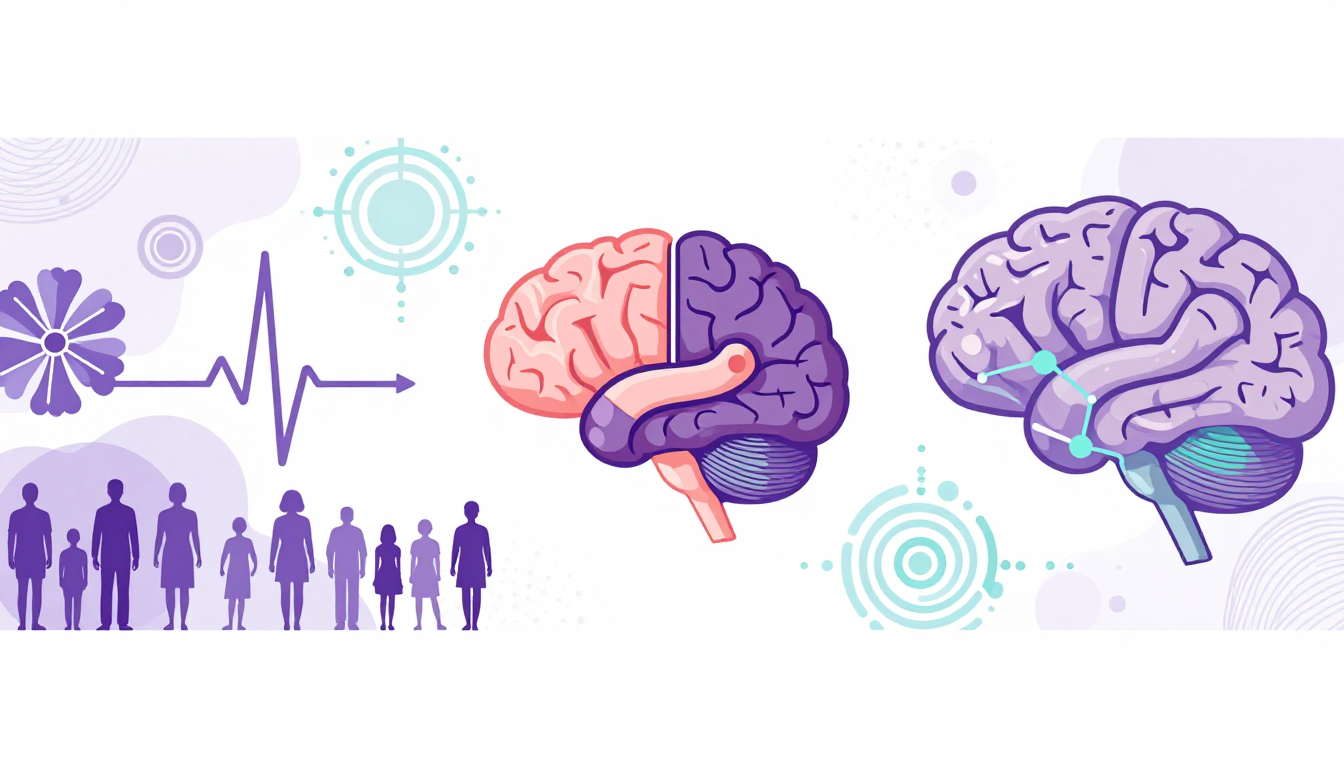
Heartbeats in Harmony: How Proximity and Attention Forge Biological Connection
A real-world study of 72 students reveals that heart rate synchrony emerges as a biomarker of social engagement when people share physical space, joint attention, and social familiarity—yet collapses under cognitive load from noisy environments.
Opera’s Paste Protect: The Clipboard Defense That Actually Works
Opera introduces Paste Protect, a clipboard security shield that blocks ClickFix social engineering attacks by detecting and intercepting malicious commands before they are copied, using Hijack Protection for external clipboard replacement detection and Injection Protection to prevent clipboard tampering across Windows, macOS, and Linux.

Why You Can’t Imagine a Sensation You’ve Never Felt
Your mind doesn’t invent sensations—it rebuilds them from fragments of experience. Superconstruction isn’t magic. It’s the hippocampus stitching together what you’ve already felt.

Root Access via WebDialer: Active Exploitation of Cisco CUCM's SSRF Flaw
Attackers are actively exploiting CVE-2026-20230, a high-severity Server-Side Request Forgery (SSRF) vulnerability in the WebDialer component of Cisco Unified Communications Manager, to achieve root privileges via unauthorized file writes.
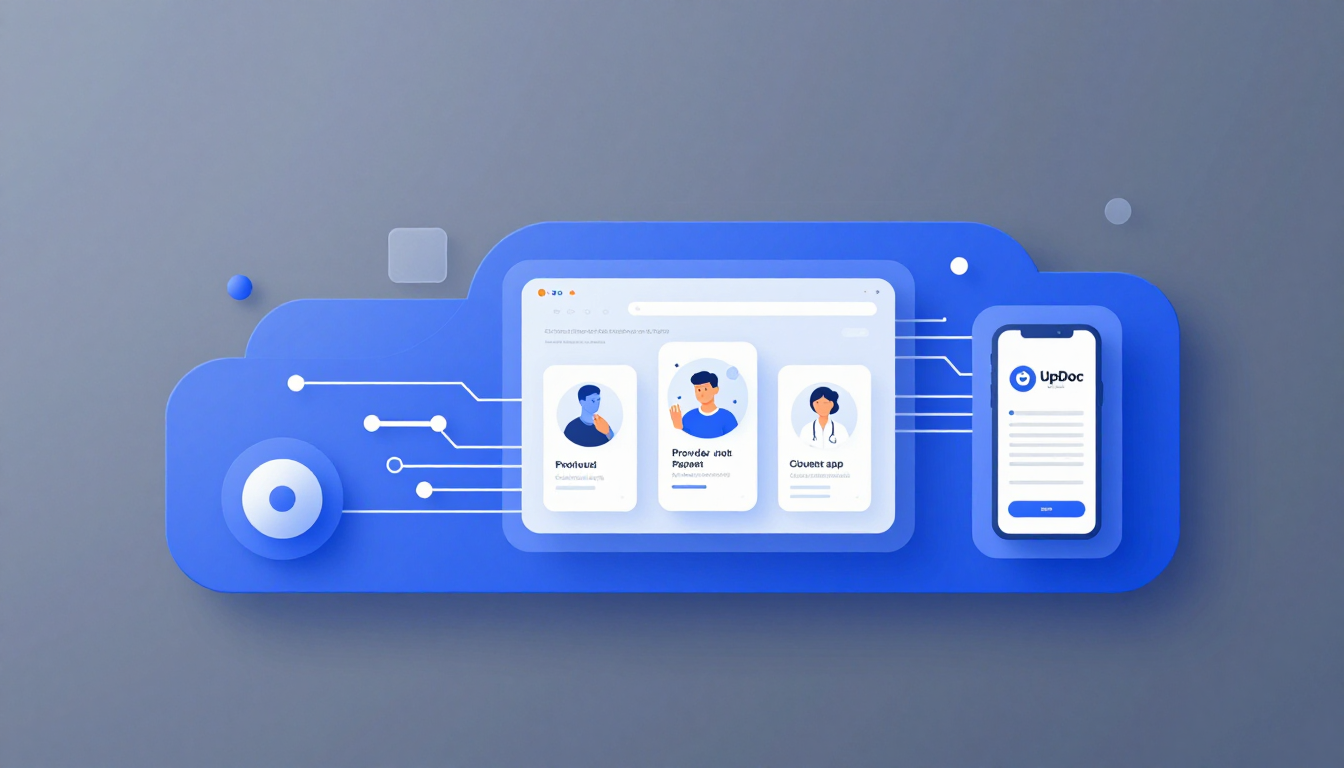
UpDoc AI Just Got FDA Clearance. Here’s What It Actually Does (And Doesn’t).
UpDoc AI earned FDA 510(k) clearance (K253281) for a patient-facing LLM that autonomously adjusts insulin doses between in-person visits, backed by an $18M seed from Mayo Clinic and Eli Lilly. The system operates within strict physician-defined parameters using a three-module architecture (provider portal, patient app, cloud app) and is cleared as an enhanced version of the d-Nav predicate device.
The Silent Fire: How APOEε4 Ignites Brain Inflammation Decades Before Alzheimer's Symptoms
The APOEε4 allele reprograms microglia into a chronic inflammatory state via the cPLA2 enzyme switch, creating a self-sustaining neuroinflammatory cascade that precedes amyloid plaques by years — but new small-molecule inhibitors and AI-driven drug discovery offer a window for pre-symptomatic intervention.

From Craft to Computation: How Enterprises Scale Creativity with Generative AI
Generative AI transforms creative production from a craft-based activity into scalable enterprise infrastructure by enabling high-volume, consistent, and personalized content generation. This analysis details how businesses integrate GenAI into their operational backbone—shifting from experimental pilot projects to mission-critical infrastructure.
Canada's Safe Social Media Act Shifts Responsibility from Users to Platforms for Youth Harm
Canada's new legislation requires social media platforms and AI chatbots to design out risks to children under 16, moving from individual responsibility to systemic accountability for digital environments shaped by short-form video.
Sialidase Inhibition: Repurposing Flu Antivirals to Protect Brain Glycans Against Age-Related Neurodegeneration
A translational neuro-immunology study reveals how blocking sialidase enzymes preserves protective glycans on brain cells, preventing HIV-associated cognitive decline and potentially other forms of chronic viral brain aging. The mechanism involves sialic acid-Siglec signaling in microglial regulation and suggests existing influenza medications could be repurposed as neuroprotective agents.
The Sender Is Human: Why AI-Saturated Inboxes Can't Replicate Genuine Connection
In an AI-saturated inbox, your brain still knows the difference between a message that was sent to you and one that was sent — exploring the effort heuristic, neural detection of inauthenticity, and the irreplaceable role of human presence in trust-building.