
Blog
Insights, guides, and updates from the ProBackend team.
The Agent Era Moves Past the Framework Wars: Focus on Context and Resilience
The debate over AI agent frameworks is dead. Success now demands focus on context curation, recovery, and sensible architecture.
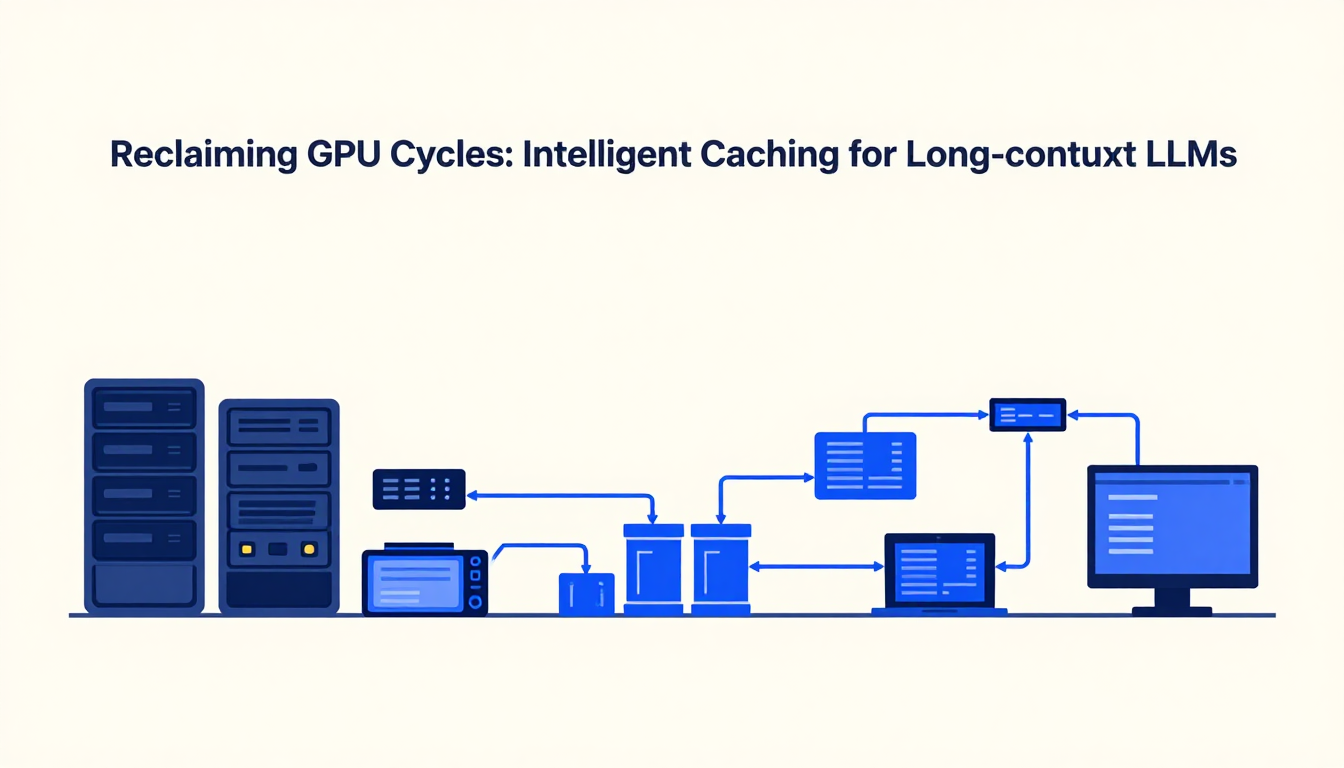
Reclaiming GPU Cycles: Intelligent Caching for Long-Context LLMs
An in-depth analysis of GPU compute waste in long-context LLMs, exploring KV cache memory bottlenecks, prompt caching, and infrastructure offloading strategies.
The AI Cost Paradox: Why Cheap Tokens Often Cost More
A critical look at why token-based pricing for AI is fundamentally broken, highlighting the importance of task-completion efficiency and software harnesses over sticker-price token costs.

Unifying Search Analytics: How Google Search Console Platform Properties Track Off-Site Video and Social Content
Google Search Console now supports platform properties for Instagram, TikTok, X, and YouTube, allowing creators and SEO teams to track off-site video and social search performance directly.

AI Temperature Sweeps: A Security & Compliance Analyst View on Medical Zebra Scans
How hyperparameter tuning and multi-sweep AI architectures prevent diagnostic blind spots in medical differential diagnosis and enterprise security compliance.

Paid AI Placement vs. Generative Citations: Unpacking the Gap in Google's AI Mode Ads
A deep look into SE Ranking's analysis of Google AI Mode ads, revealing how paid placements correlate with high CPCs rather than organic search citations or top rankings.

AI Cybersecurity Threats 2026: Inside Russia's Shadow Fleet Drone Operations Near NATO Bases
An 18-month low-altitude drone campaign targeted NATO nuclear sharing sites and European airports using Russian shadow fleet vessels as offshore launchpads.
Bessent’s AI Sanctions Threat: A New Front in the IP Cold War
Treasury Secretary Scott Bessent signals potential U.S. sanctions on Chinese AI models. A security & compliance analyst examines IP theft, distillation, and risk in this new technological landscape.
Zuckerberg’s $14B Agent Bet: Can Meta Outrun a 91% Free Cash Flow Collapse?
An analysis of Meta’s massive pivot toward personal AI agents, the staggering 91% free cash flow drop driven by infrastructure spending, and investor skepticism around its Q3 2026 earnings.

How Native's Frontline Deal Signals the Next Era of Agentic Data Platforms in Offline Trade
Native's acquisition of Frontline Research Group incorporates market share feeds across 14 African nations into its agentic data platform, closing the loop between physical trade field actions and actual market share gains.

Mind vs. Machine: Why Human Cognition and Computer Logic Remain Irreconcilable
An examination of computational simulation versus biological understanding, tracing the philosophical divide from Turing's behavioral standard to Searle's Chinese Room and Dreyfus's critique of artificial reason.
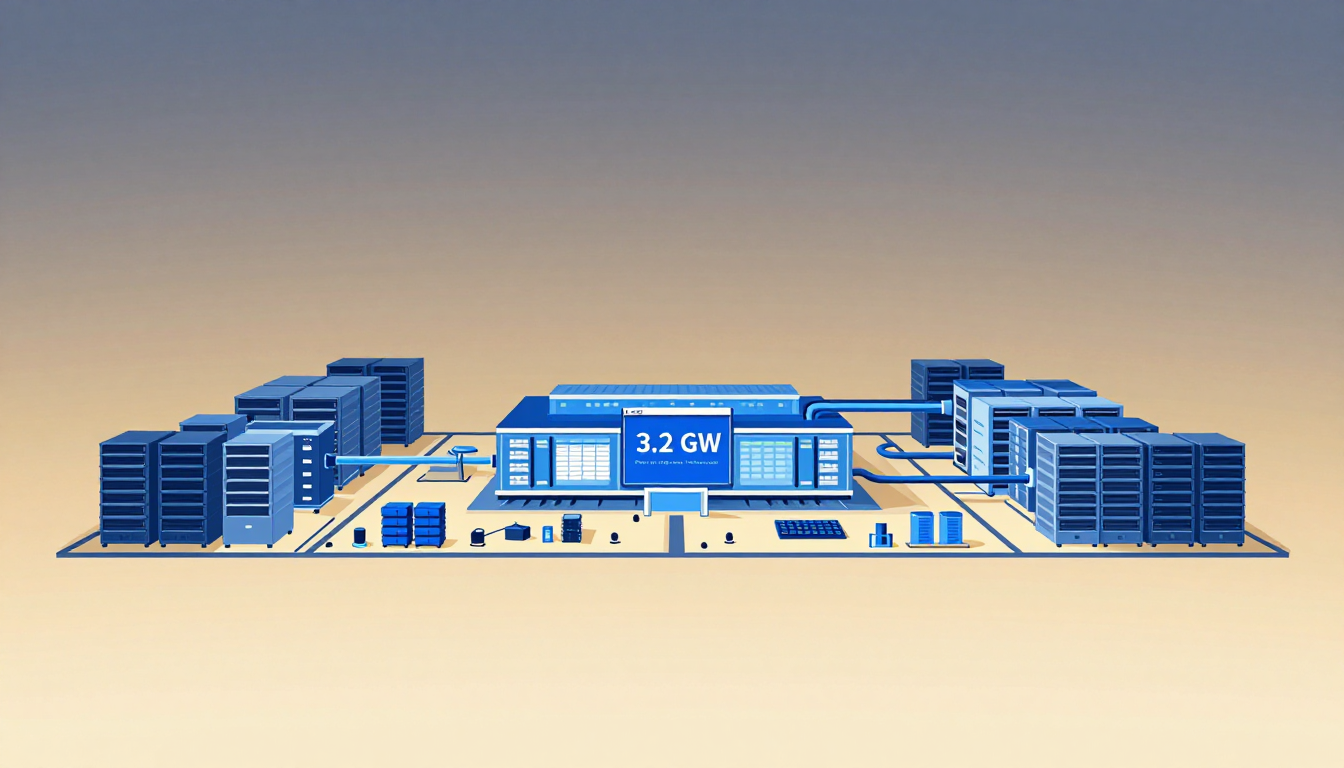
Beyond Stargate: OpenAI's $20 Billion Georgia Campus and the 3.2 GW Grid Test
Inside OpenAI's $20B Project Camellia campus in Georgia: analyzing its 3.2 GW power draw, reliance on natural gas expansions, ratepayer protections, and construction leadership under Brett Mayo.