
Blog
Insights, guides, and updates from the ProBackend team.
What Kimi K3's 2.8 Trillion Parameters Mean for Security & Compliance Teams
Moonshot AI's Kimi K3 is the largest open-weight model from China at 2.8 trillion parameters, and security & compliance teams need to understand what this scale means for data handling, model governance, and the shifting open-vs-closed AI risk landscape.
US Reliance on Chinese Memory Chips Is a Supply-Chain Trap No One's Fixing
As DRAM prices surge 55-60% amid AI-driven demand, Apple, Dell, and HP qualify Chinese memory chips from CXMT. US lawmakers warn this exposes Western manufacturers to state-subsidized Chinese memory and are pushing for an executive order to block the purchases — even as CXMT prices a record $85 billion Shanghai IPO.
From Tailwind to Gemini Notebook: Google's Relentless Brand Consolidation
NotebookLM's rebrand to Gemini Notebook isn't an isolated move — it's the latest chapter in Google's strategy of launching AI tools under experimental names before folding them into one monolithic brand.
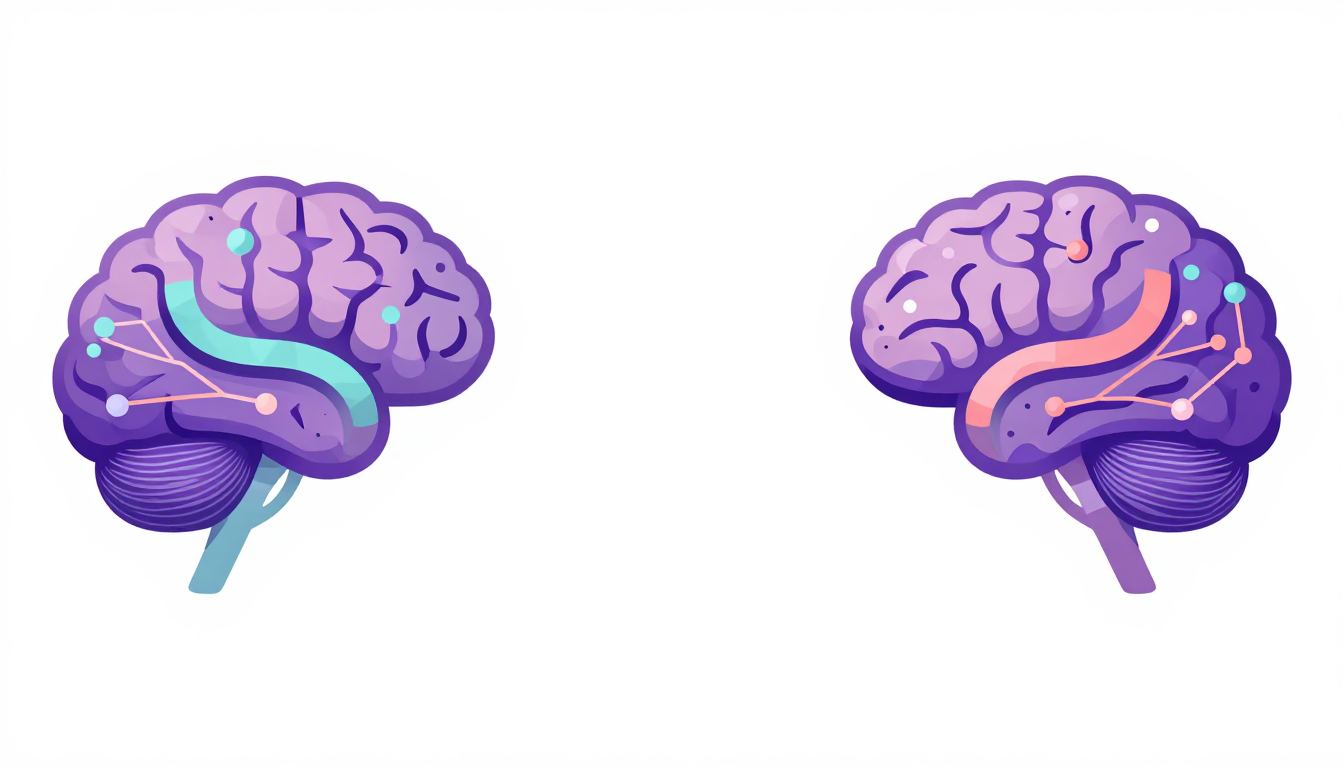
What Athletic Drive Reveals About the AI Impact on Human Psychology
Competitive drive, intrinsic motivation, and goal-oriented focus fuel athletic excellence—but they also carry hidden psychological costs. Understanding this tension is essential to grasping the AI impact on human psychology.
ZML's Multi-Chip Inference Server and What It Means for Your Cloud Security Incident Response Playbook
Paris-based ZML, backed by Yann LeCun and $20M in funding, has released ZML/LLMD — a free inference server running LLMs across Nvidia, AMD, Google TPU, Apple Metal and Intel Arc chips. Here's why the vendor lock-in fight matters for security teams.
Before You Type, Google Already Knows: The New Rules of Search Personalization
Google has evolved from reactive search to proactive personalization, building detailed user profiles through its Personal Intelligence system that connects AI models to private data from Gmail, Calendar, Photos, and YouTube history. This shift transforms search into a personalized mirror that reflects individual behavior patterns.
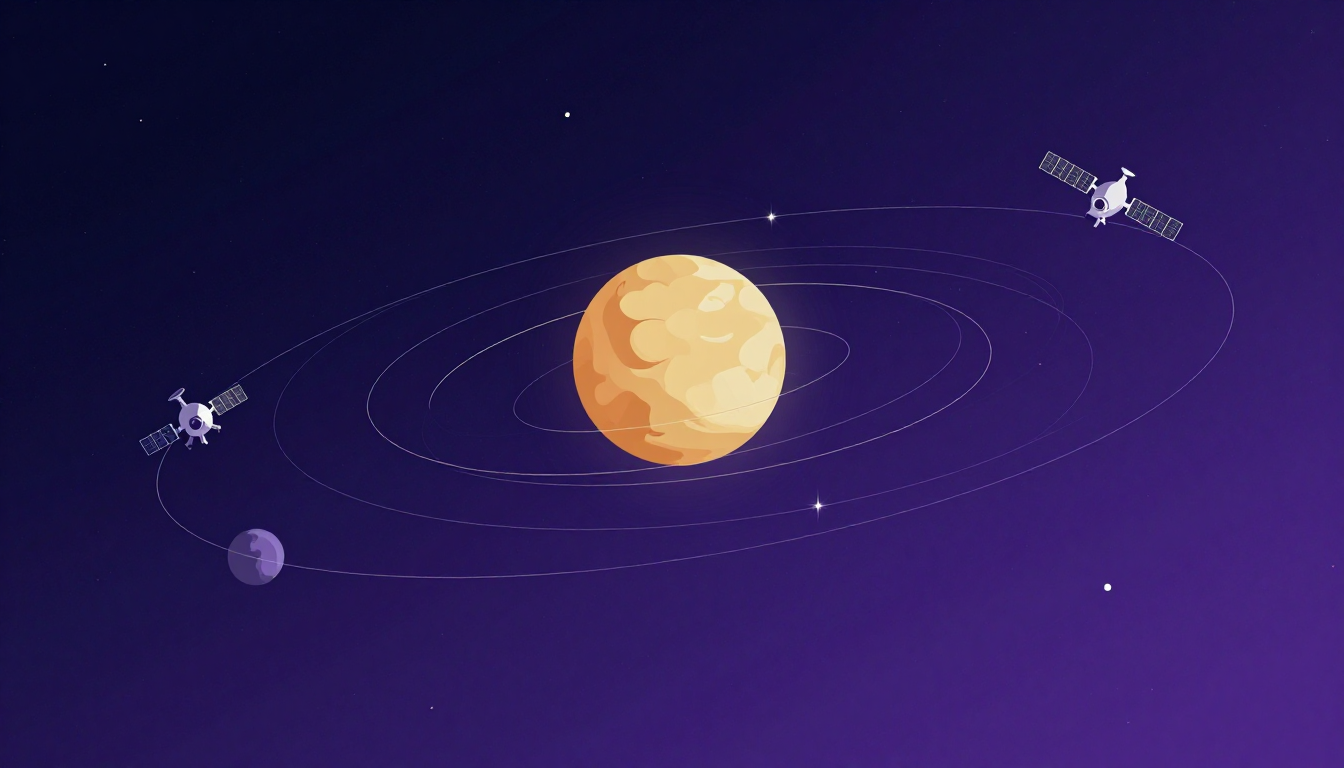
New Navigation Satellites in Low Earth Orbit Could Provide 100 Times Stronger Signal Than GPS
Exploring next-generation navigation satellite systems in low Earth orbit that promise dramatically stronger signal strength compared to traditional GPS constellations, potentially revolutionizing positioning and navigation capabilities.
Google Built Computer-Use Into Gemini 3.5 Flash — And the Attack Surface Just Got Real
Google integrated computer-use into Gemini 3.5 Flash, letting AI agents see screens and click through apps. Hackers are already setting traps for these agents — here's what the security docs actually say.

What Is AI Governance—And Why Your Old Playbook Just Died
AI agents broke the security playbook built for human-speed environments. Here's what replaces it: identity-based governance, not toolchains.
AI Cybersecurity Threats: How UAT-11795 Weaponizes Legitimate Apps to Steal Credentials with Starland RAT
A financially motivated Russian threat actor tracked as UAT-11795 is using trojanized installers of legitimate software like WebEx and Zoom to deploy the Starland remote access trojan, stealing browser data, cryptocurrency wallets, and Active Directory credentials.
Google's Agentic Defense Playbook: What the Wiz Acquisition Actually Changes for Cloud Security
After its $32 billion Wiz acquisition, Google Cloud is betting that autonomous AI agents — not human analysts — will close the gap between breach detection and response. Here's what the agentic defense platform actually does, and why the 22-second handoff window makes it unavoidable.
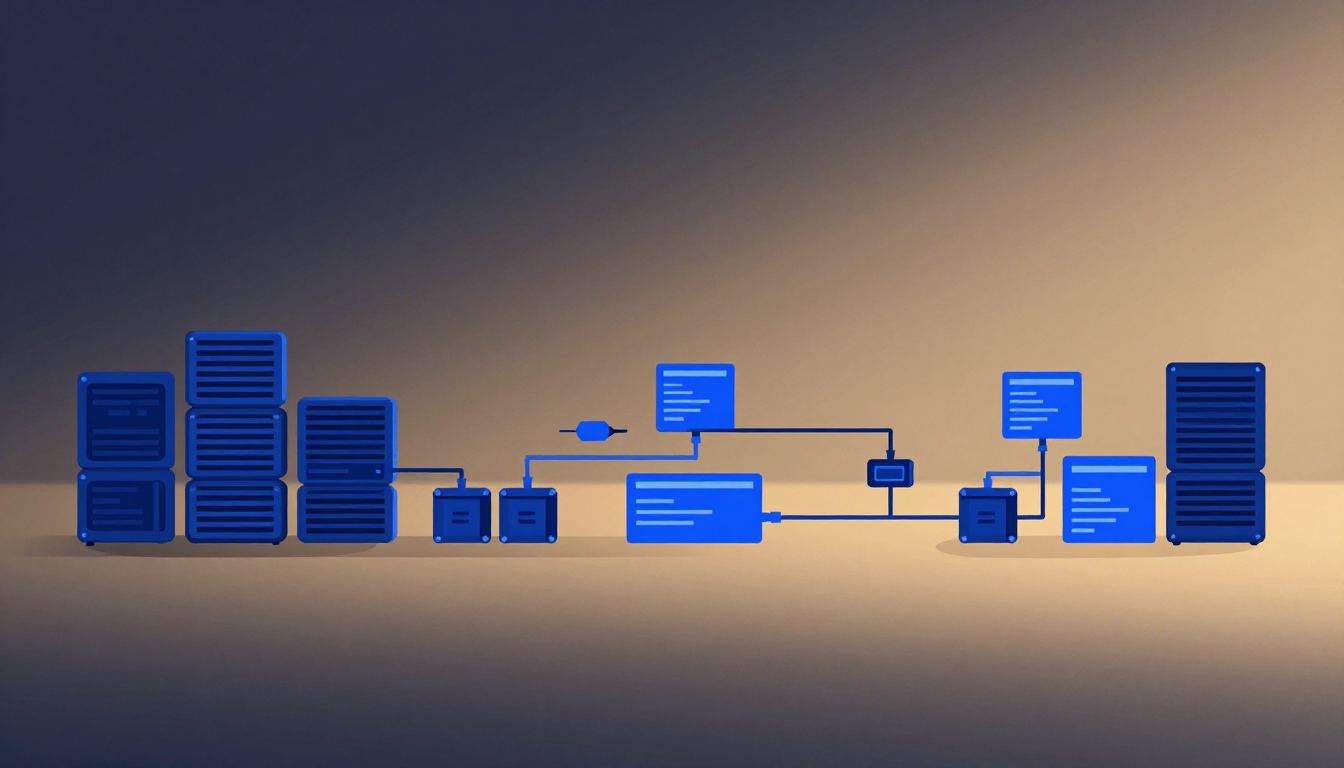
Kubernetes Was Built for Stateless Requests — AI Cloud Infrastructure Companies in India Are Building What Agents Actually Need
Kubernetes optimized the world for stateless HTTP requests. AI agents are long-running, stateful processes that break every assumption the platform was built on — from scheduling heuristics to security models. Here's what the infrastructure mismatch looks like in production, and why a new abstraction layer is finally arriving.