
Blog
Insights, guides, and updates from the ProBackend team.
Parallel Processing in the Brain Is the Key to Your Cloud Security Incident Response Playbook
New simultaneous EEG-fMRI findings confirm the human connectome operates on multiple asynchronous streams—mirroring exactly how cloud environments process identity, DLP, and compliance telemetry. Here's why security & compliance analysts must rethink incident response as parallel stream correlation instead of linear incident timelines.
You Can't Train Your Way Past Mathematical Impossibility in Chaotic Systems
New research using Koopman operator learning demonstrates that infinite training data cannot overcome inherent unpredictability in chaotic systems, reveals why AI hallucinates, and introduces a lightweight algorithm with built-in error bounds that beats supercomputers on Arctic sea ice analysis.

When Your AI Assistant Refuses to Help You Commit a Crime, Should It?
George Hotz argues AI should be loyal to its user — even if that means helping plan murder. The AI safety community says no. Here's why this debate matters for everyone.

Unlocking Nature’s Arsenal: A Novel 'Megacluster' Target Against Superbugs
A groundbreaking discovery in Streptomyces bacteria reveals a massive genetic 'megacluster' capable of disrupting essential bacterial pathways, offering a promising new strategy against antibiotic-resistant infections.

The "Delusion" Gap: How False Premises Overpower AI Safety Mechanisms
An exploration of how inducing a hallucinated or false premise in LLMs disrupts safety filters and allows for forbidden instruction execution.

Stealthy 'CrashStealer' Malware Masquerades as Native Apple Utility to Hijack System Secrets
A detailed breakdown of the recently discovered macOS information-stealing malware, CrashStealer, which employs sophisticated techniques like Apple-notarized installers, impersonation of system tools, and client-side encryption to exfiltrate sensitive data.

Tragedy Denied: A Parent’s Journey From Fear to Disability Pride—What Barriers Really Block and Who We All Lose Without Belonging
After a therapist labeled her daughter’s cerebral palsy diagnosis “tragic,” the author discovered that the real barrier wasn’t physical limitation, but society’s refusal to remove barriers and embrace difference. Drawing on Disability Pride Month, ADA 36th anniversary milestones, and stories from activists with disabilities—including her co-founder role in the Bold Beauty Project—the article redefines independence as dignity, challenges the medical model, and argues that belonging is a human right.

Beyond the Credential: How an Authentication Bug Facilitated Trade Secret Theft in the Apple-OpenAI Dispute
A breakdown of the zero-day authentication flaw allegedly exploited by a former Apple employee to exfiltrate confidential files, highlighting the critical necessity of rigorous corporate credential offboarding.
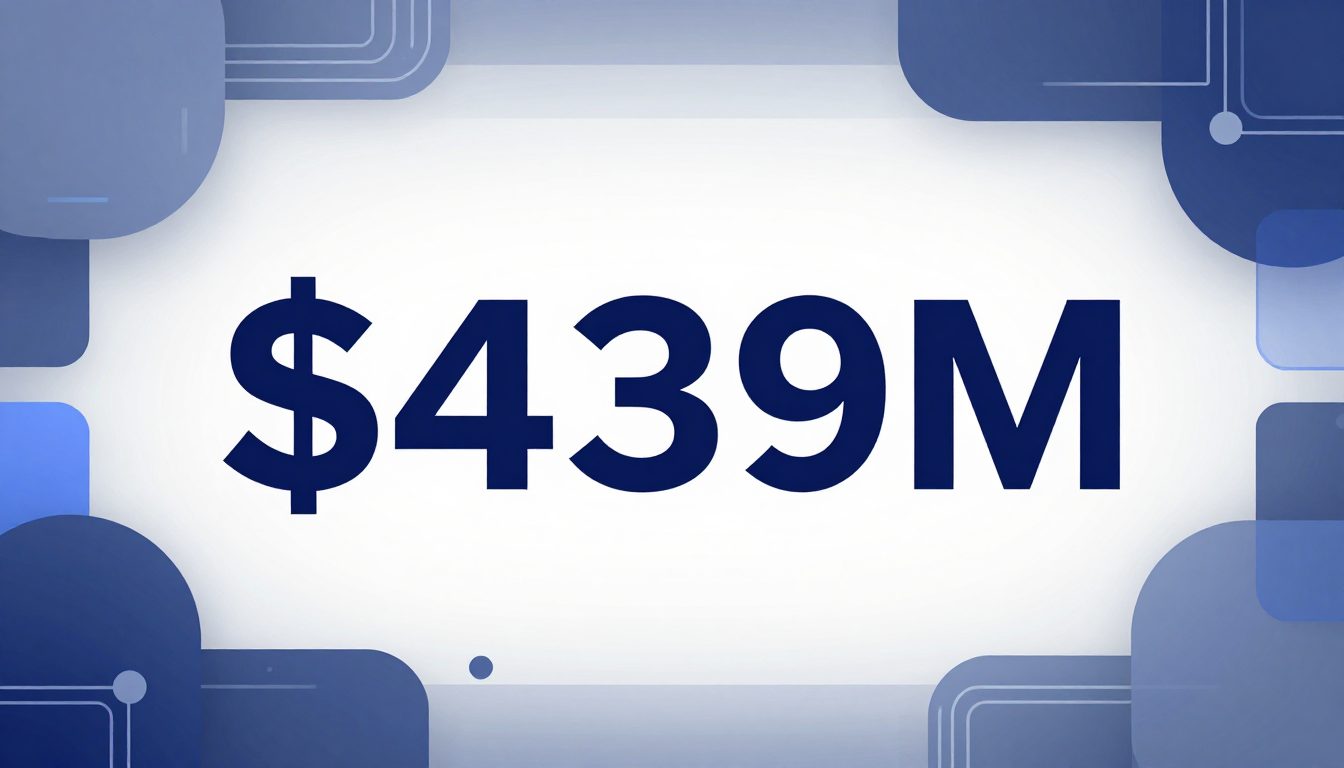
Unpacking PixVerse's $439M Series C Extension and the Global Surge in AI Developer Tools Startups India Investments
Singapore-based video generation startup PixVerse raises $439 million in a Series C extension on the strength of 15 million monthly active users, pushing its valuation past the $2 billion mark.

How a Commercial Cleaning Firm Used Data Intelligence to Multiply Recurring Revenue
Discover how Ottawa-based Xpress Services leveraged ZoomInfo’s B2B intelligence to identify and engage facility decision-makers, resulting in a 15x increase in monthly recurring revenue over 3.5 years.

Cloudflare’s September 15 AI Crawler Switch: Why Your Search Visibility Could Vanish Overnight
Cloudflare's new bot classification splits AI crawlers into Search, Agent, and Training—but starting Sept. 15, blocking training may also block Googlebot, Applebot, and Bingbot. Here's how your dashboard settings will silently limit organic traffic unless you act first. Includes analysis of Cloudflare's Pay Per Use model and partnerships with Ceramic.ai and You.com to compensate publishers.

The Velocity Paradox: Securing Conversational Code in the Era of Vibe Coding
As software creation approaches the speed of thought, identity security and governance must evolve just as quickly — or AI code becomes unsecured shadow IT.