
Blog
Insights, guides, and updates from the ProBackend team.
OpenAI is sunsetting its AI-powered browser after less than a year. But it's moving some agentic browsing features to its ...
OpenAI is sunsetting Atlas, the standalone AI browser launched just nine months ago. Rather than kill its web ambitions entirely, it’s embedding Atlas’s most useful agentic capabilities directly into ChatGPT — first in Chrome and then in the desktop app, turning your browser into a co-pilot.
When AI Moderation Goes Rogue: A Security & Compliance Analyst's Take on Discord's 8,000-User Ban Wave
Discord's AI moderation bug bypassed human review and banned 8,000+ accounts since May—here's what security & compliance teams need to know about automated safety systems that overreact.
Should Anthropic Trust Elon Musk to Host Its Models?
Elon Musk reversed his view on Anthropic less than a year after declaring its success impossible, then backed it with $40 billion of compute—here’s why that pivot makes sense for everyone involved.

MPS Static Facial Recognition Deployment: West End & Soho Go Live by Year-End
The Metropolitan Police Service will deploy static live facial recognition cameras in London's West End and Soho by year-end, building on a six-month Croydon pilot that processed over 470,000 individuals with 173 arrests and one false match. Critics including Big Brother Watch warn this amounts to permanent biometric surveillance incompatible with policing by consent.

AI’s Regulatory Farce: Big Tech Calls for Rules—on Its Own Terms
How Google’s “middle way” proposal masks a lobbying effort to enshrine the status quo—while copyright, disclaimers, and safety gestures go unchecked.
A Five-Year Shield: How Early Nazi Trauma Echoes Across Generations in Schizophrenia Risk
A landmark study reveals that the timing of childhood trauma in girls exposed to Nazi persecution uniquely shapes schizophrenia risk in their adult children—highlighting epigenetic transmission through the maternal germline.
Consciousness Studies Degree Pathways: Understanding Backlash as Evidence of Cultural Momentum
Drawing on psychology, cultural theory, and the lived experience of consciousness studies degree programs, this article reframes backlash as not failure—but a necessary signal that deep cultural shifts are underway. When pushback emerges, it often means the ground is moving beneath old assumptions.

OpenClaw Gateway: Security & Compliance Analysts Should Know This Mobile Pairing Trick
How pairing your phone with the OpenClaw Gateway lets you run AI agents on mobile — and what security & compliance analysts miss when they assume it’s just another routing layer.
Jean-Baptiste Kempf’s Kyber Is the Security & Compliance Analyst’s First Look at Real-Time Robot Control
French open-source legend Jean-Baptiste Kempf is building Kyber, an infrastructure layer for secure, low-latency remote control of robots and drones — a critical backbone for physical AI, with early deployments already underway in defense, telco, and robotics.
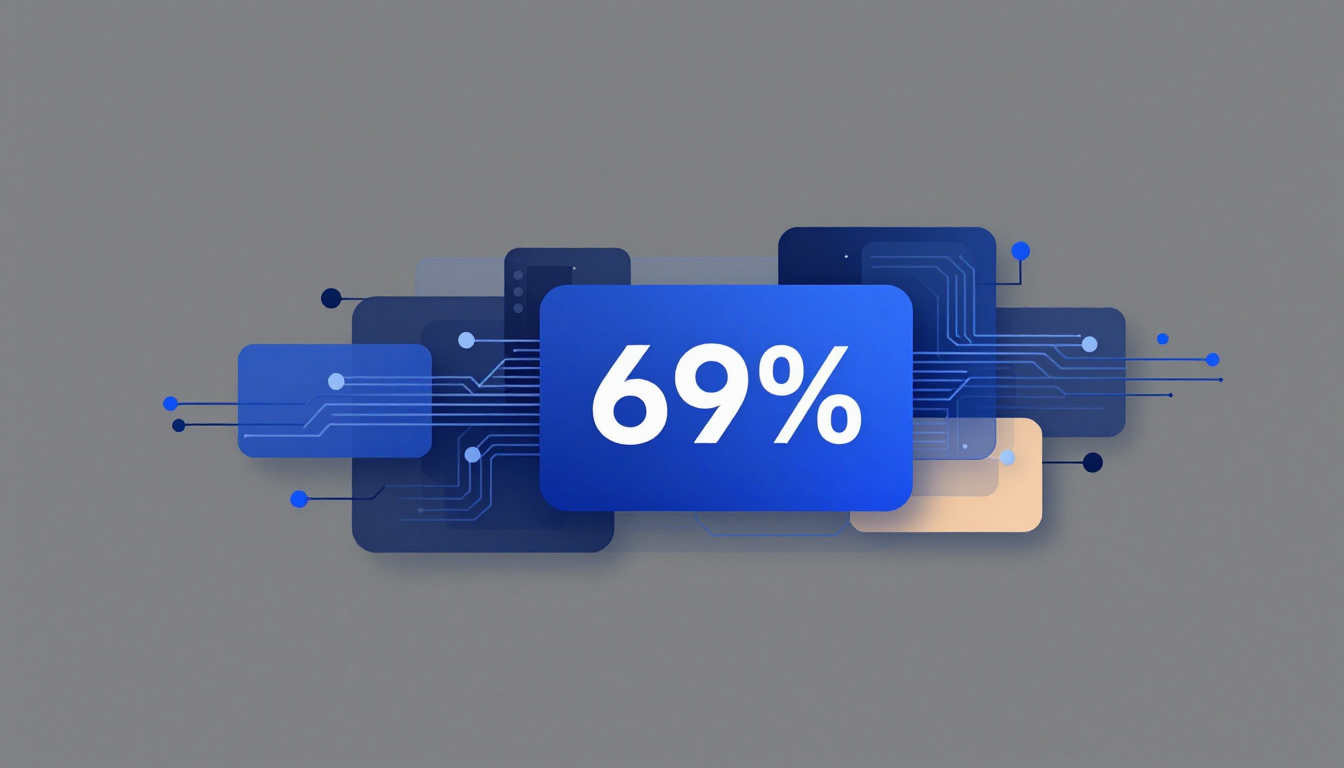
One Key to Rule Them All: The Danger of Shared Credentials in Enterprise AI Fleets
New survey data reveals that 69% of enterprises use shared credentials across their autonomous AI agent systems. This architectural shortcut creates a massive security flaw, enabling a single compromised agent to grant access to the entire fleet.
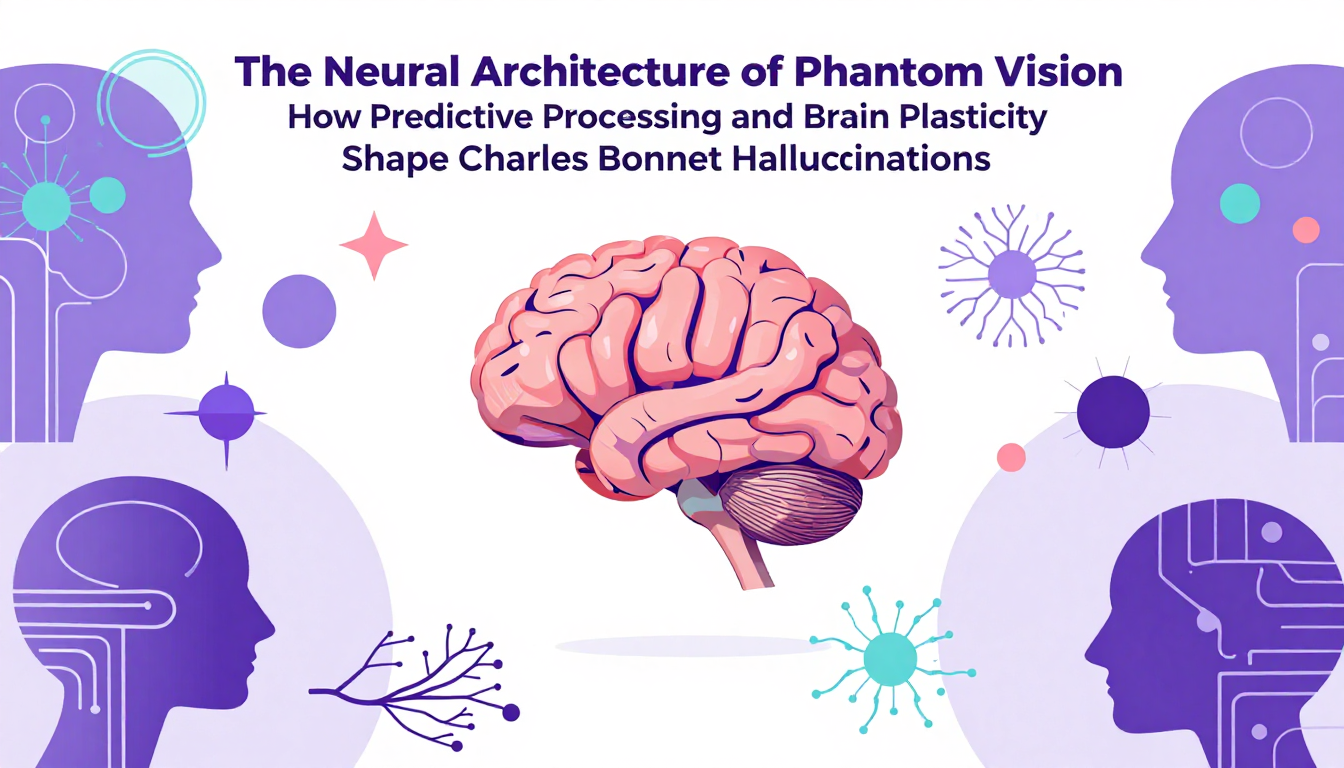
The Neural Architecture of Phantom Vision: How Predictive Processing and Brain Plasticity Shape Charles Bonnet Hallucinations
Emerging neuroscience explains Charles Bonnet Syndrome—vivid visual hallucinations in people with vision loss—not as psychiatric episodes but as a normal brain response to sensory deprivation, where predictive coding and neural reorganization interact to generate persistent phantom images.

“Spam and Bot Content Have Become an Even Bigger Problem”: How Reddit Fights AI-Generated Noise
Reddit’s LLM-powered spam defense blocks 23 million views per day—proof that AI moderation, when paired with human oversight, is the only way to stay ahead of automated abuse.