
Blog
Insights, guides, and updates from the ProBackend team.

How Competitors Hijack Your Branded Searches (and Why Google’s Rules Let Them)
Competitors don’t need to buy your brand terms—they can siphon your highest-intent traffic with DKI, comparison pages, and modifier keywords. Here’s how they do it, why Google lets them, and what you can actually do about it.
Google Merchant Listings Get Sale Duration and Product Category Properties
Google has updated its merchant listing structured data to support sale duration and product category properties, aligning more closely with Google Merchant Center feed capabilities.
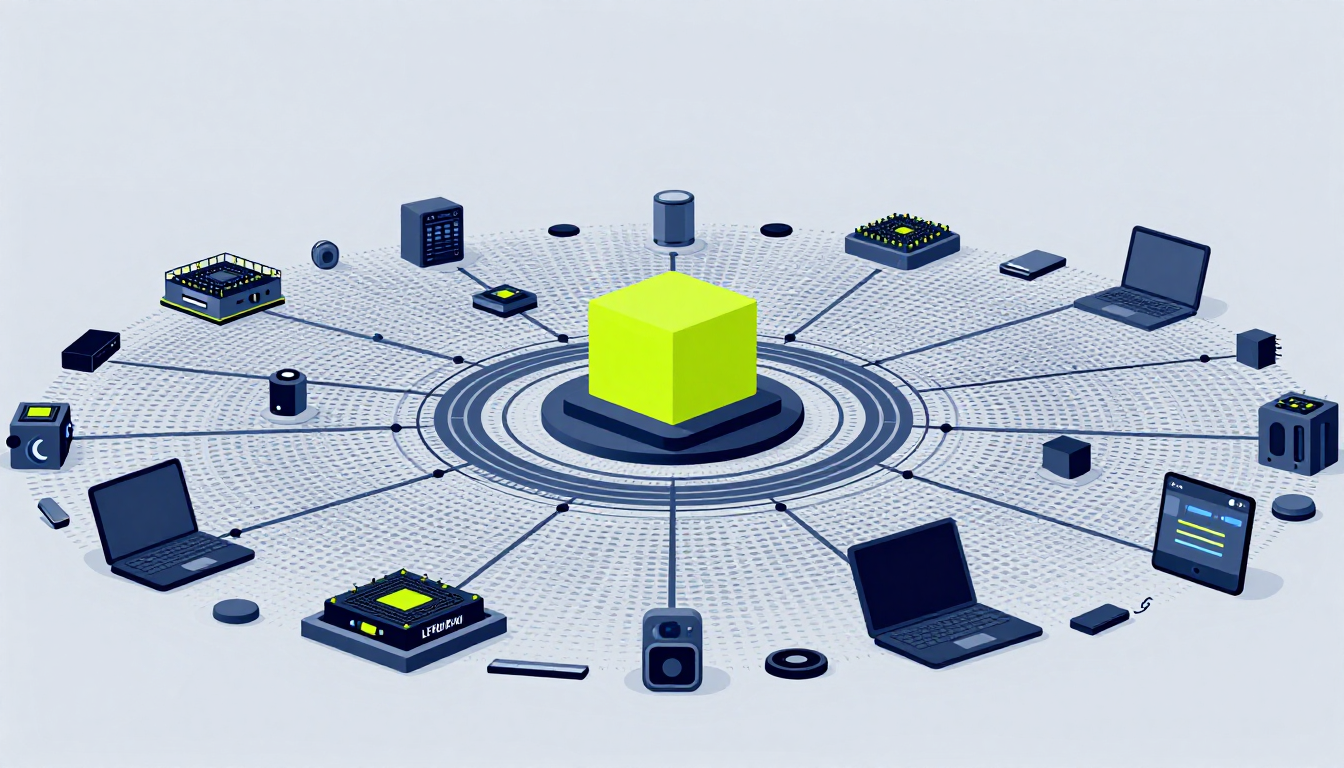
Why Liquid AI's 230M-Parameter Model Beats Bigger Systems at the Jobs That Matter
Liquid AI's LFM2.5-230M demonstrates that the future of production AI isn't about scale — it's about task-specific optimization. At just 230 million parameters, this model beats models 4× its size at structured data extraction and runs on smartphones, laptops, and robotics hardware without cloud dependency.

Reddit's May Comeback, The Clicks Problem, And Where Local Data Lives Now
Welcome to the week's Pulse: updates affect how you read post-update rankings, what new click data says about Google traffic, and where your local reporting lives. Here's what matters for you and your work.
Google Finally Fixes the Agency Access Nightmare in Merchant Center
Google is introducing new Merchant Center agency roles that centralize client access management and strengthen security for agencies managing multiple advertiser accounts.

Tencent's Apache-licensed Hy3 drops EU/U.K. restrictions, cuts hallucination in half
Tencent’s Hy3 is a compact, Apache-licensed LLM with no regional restrictions and 50% lower hallucination rates.

Why Advanced Site Architecture Is the New SEO Frontier for AI and Search
Advanced architecture is no longer just technical structure — it determines whether your content can be found, understood, and surfaced by search engines and AI systems. Insights from SMX Now on July 15 highlight how site architecture has become the critical intersection of SEO, AI discoverability, and user experience.

Inside Claude's Silent Mind: How Anthropic Found a Hidden Workspace That Mirrors Human Consciousness
Anthropic's July 2026 research reveals J-space — a small, privileged internal workspace in Claude that supports reportable thoughts, silent reasoning, and flexible cognition, functionally resembling the global workspace theory of human consciousness.

Entity SEO and the Publisher Survival Playbook: What Search Engine Land's Traffic Data Actually Shows
Search Engine Land demonstrates how entity-based SEO — combining topical authority with Knowledge Graph optimization — can protect publishers from editorial traffic declines and increase citations in AI Overviews.
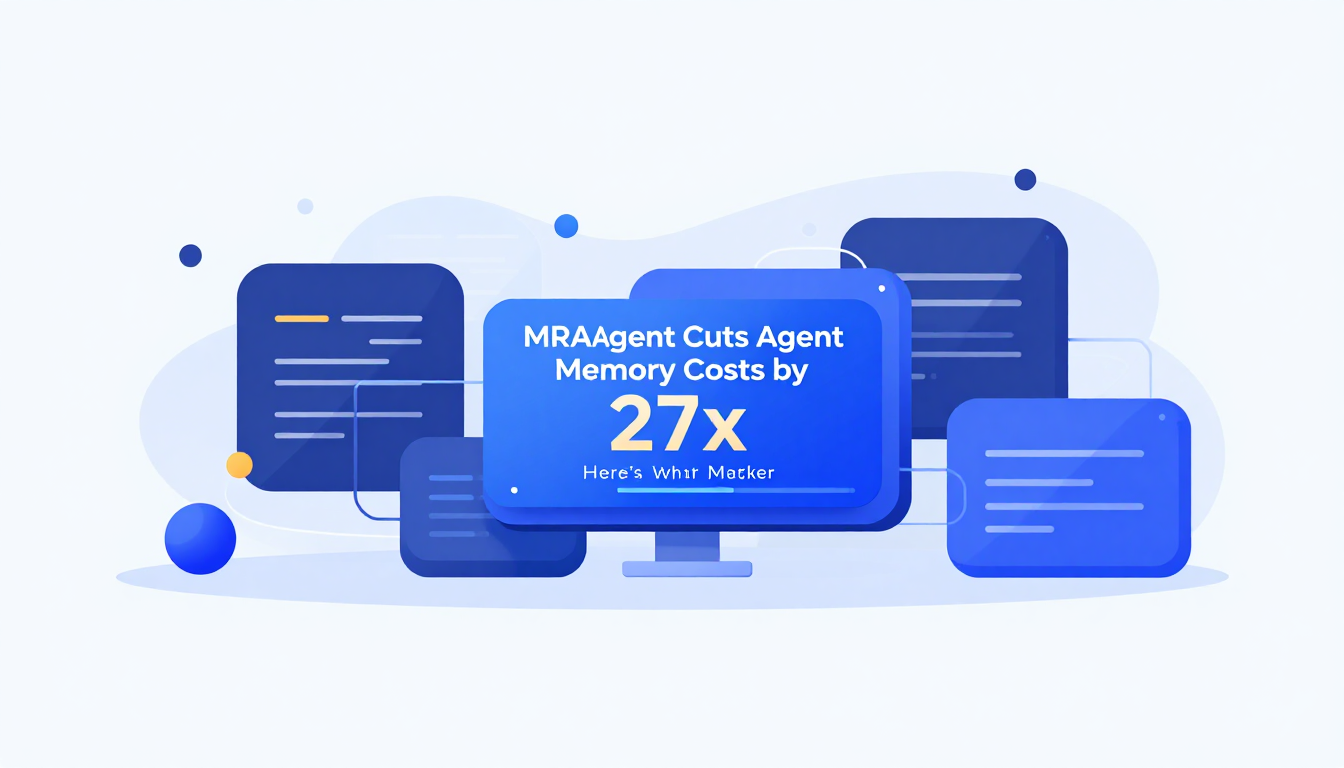
MRAgent Cuts Agent Memory Costs by 27x — Here's Why That Matters for Production AI
National University of Singapore researchers introduce MRAgent, a memory retrieval framework that slashes per-query token consumption for LLM agent recall from 3.26M (LangMem) to just 118K tokens, enabling more efficient and scalable agentic memory systems.

How OpenAI Used Its Own Models to Build the Jalapeno Chip—Faster
OpenAI’s first custom inference chip didn’t just run its own models—it was built *by* them. Omar Fayed dissects how closed-loop AI development turned chip design into a real-time feedback loop.
Google's June 2026 Spam Update Just Wrapped — Now What?
Google finished rolling out the June 2026 spam update globally across all languages. It ran from June 24 to June 26 — the second spam update of the year. Here's what the rollout timeline tells us, how it compares to recent spam updates, and what site owners should actually do next.