
Neuroscience
The brain, neural systems and cognitive neuroscience.

Beyond Computation: The Methodological Fragility of Modern Consciousness Research
A rigorous methodological critique argues current neuroscientific methods conflate information processing with subjective consciousness, urging adoption of dissociation-based paradigms to separate awareness from computation before ethical policies are enacted.
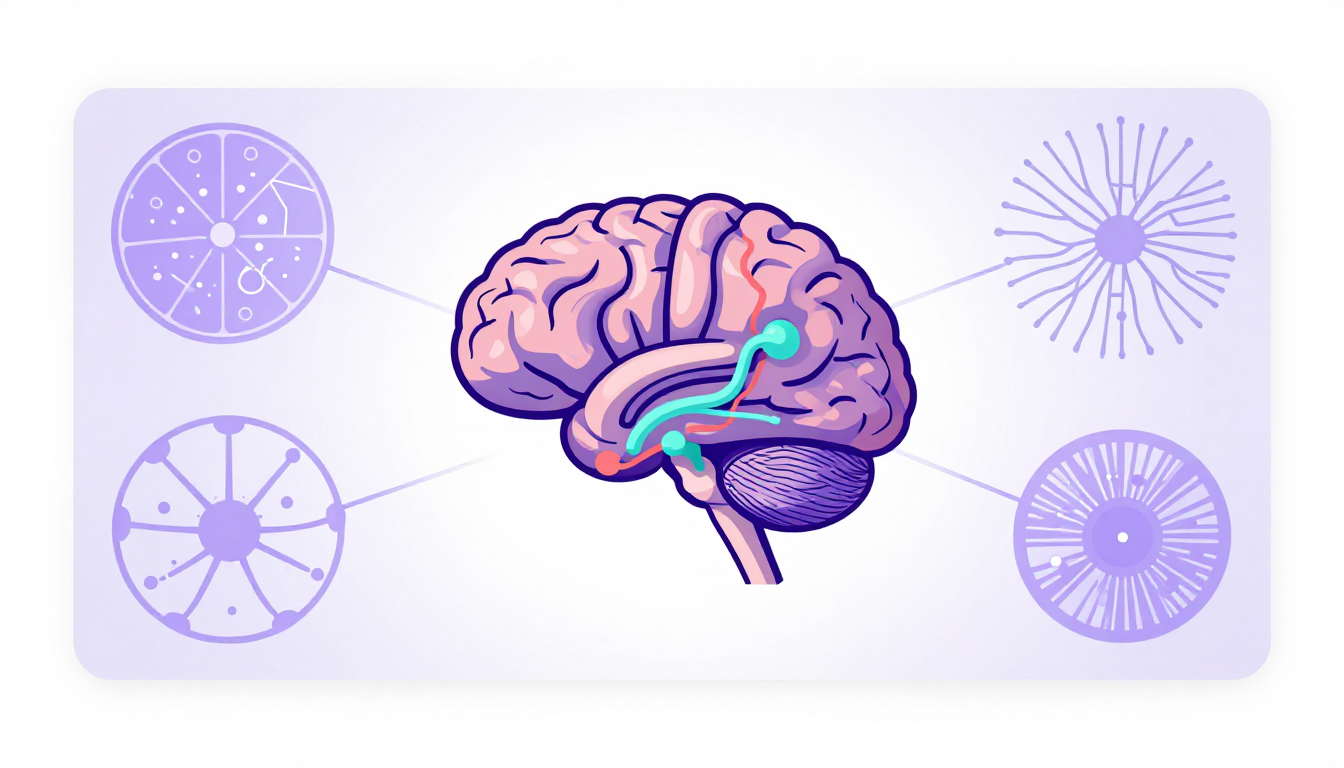
Inside the Brain's Editing Room: How the Frontal Lobe's Audiovisual Map Coordinates Human Focus
A pioneering intracranial study reveals that the human frontal cortex acts as a dynamic traffic controller for incoming sensory streams, relying on distinct upper-visual and lower-auditory subdivisions that instantly shift resources when comprehension demands change.
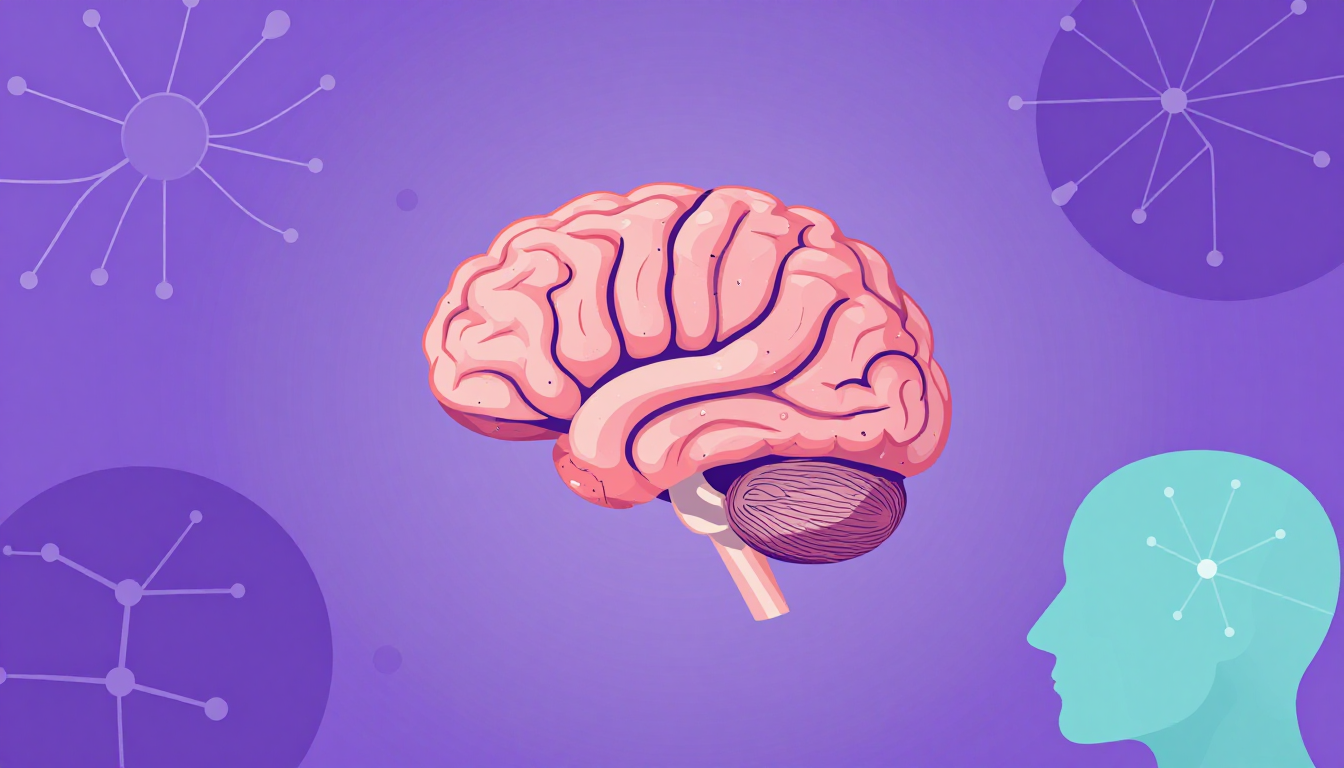
Unlocking the Brain: Sleep Deprivation Merely Blocks Memory Retrieval
New research demonstrates that sleep deprivation blocks memory retrieval rather than destroying the memory itself. Discover how optogenetics and roflumilast restore these neural connections, with deep dives into hippocampal functioning and the broader implications for social cognition and clinical diagnostics.
Neurochemical U-Turn: How Blind Cavefish Rewired Dopamine to Invert Light Responses
Discover how blind Mexican cavefish evolved to flip behavioral responses to light via dopamine rewiring. Learn more about this groundbreaking study on evolutionary neural adaptation and its implications for understanding human dopamine-regulated neurological disorders.

Breaking the Cycle: How Serotonin Redefines OCD Treatment
New research indicates serotonin reduces 'belief stickiness' in OCD, challenging the 'habit' theory and suggesting a more effective timing for psychotherapeutic interventions.
Riding the Stride: Closed-Loop Neurostimulation Adjusts Millisecond-by-Millisecond to Stabilize Parkinson's Gait
A new UCSF study published in Nature Medicine demonstrates a closed-loop adaptive deep brain stimulation system that synchronizes electrical pulses with individual steps, significantly improving gait symmetry and reducing falls in Parkinson’s patients.
Beyond Habits: How Serotonin Resets Cognitive Stagnation in OCD
Recent research reveals that serotonin helps overcome 'belief stickiness'—a cognitive inability to update mental models despite environmental changes—offering a new mechanism for how SSRIs function and suggesting optimized timing for OCD psychotherapy.
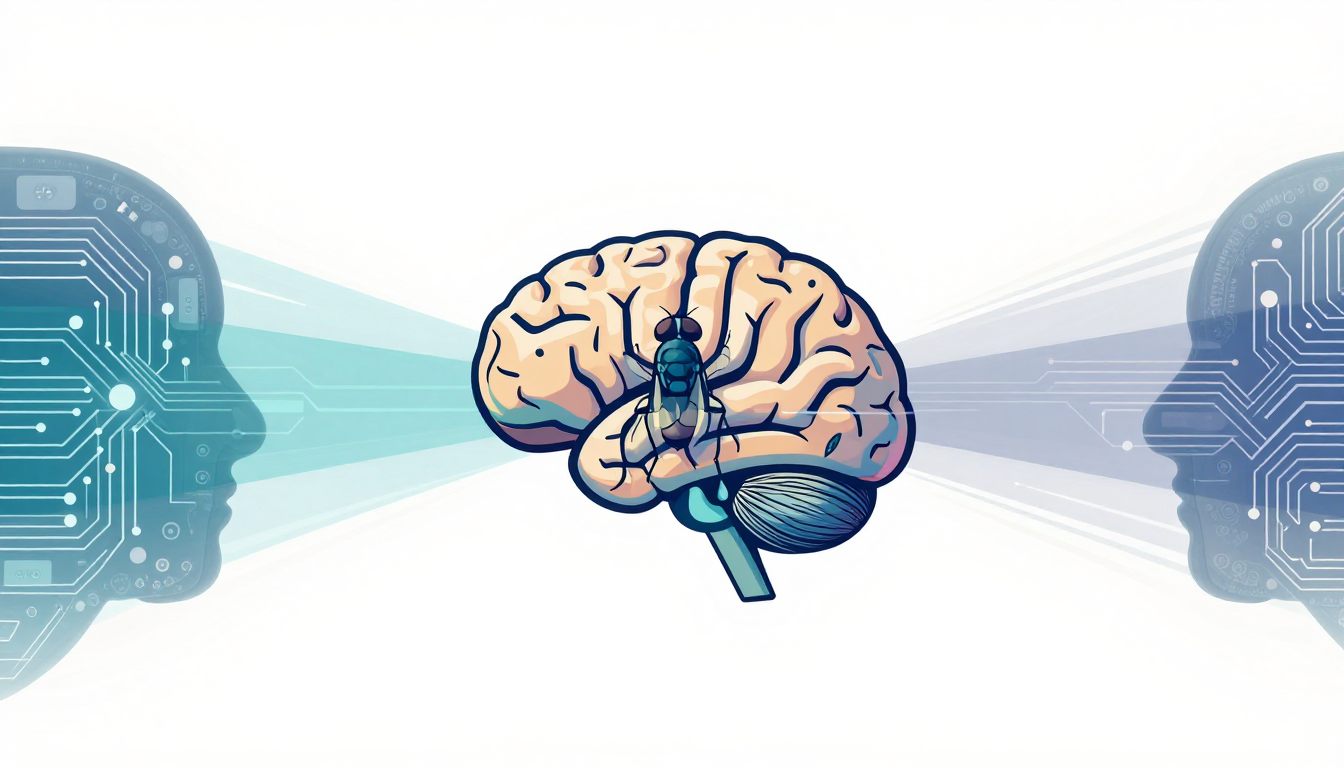
Deconstruction of the Fly: New Connectome Challenges Centralized Brain Command
Researchers mapped the complete central nervous system of an adult fruit fly, uncovering a distributed motor control system that operates locally rather than through a centralized brain hub. This article explores the connectome's implications for distributed control and AI architecture.
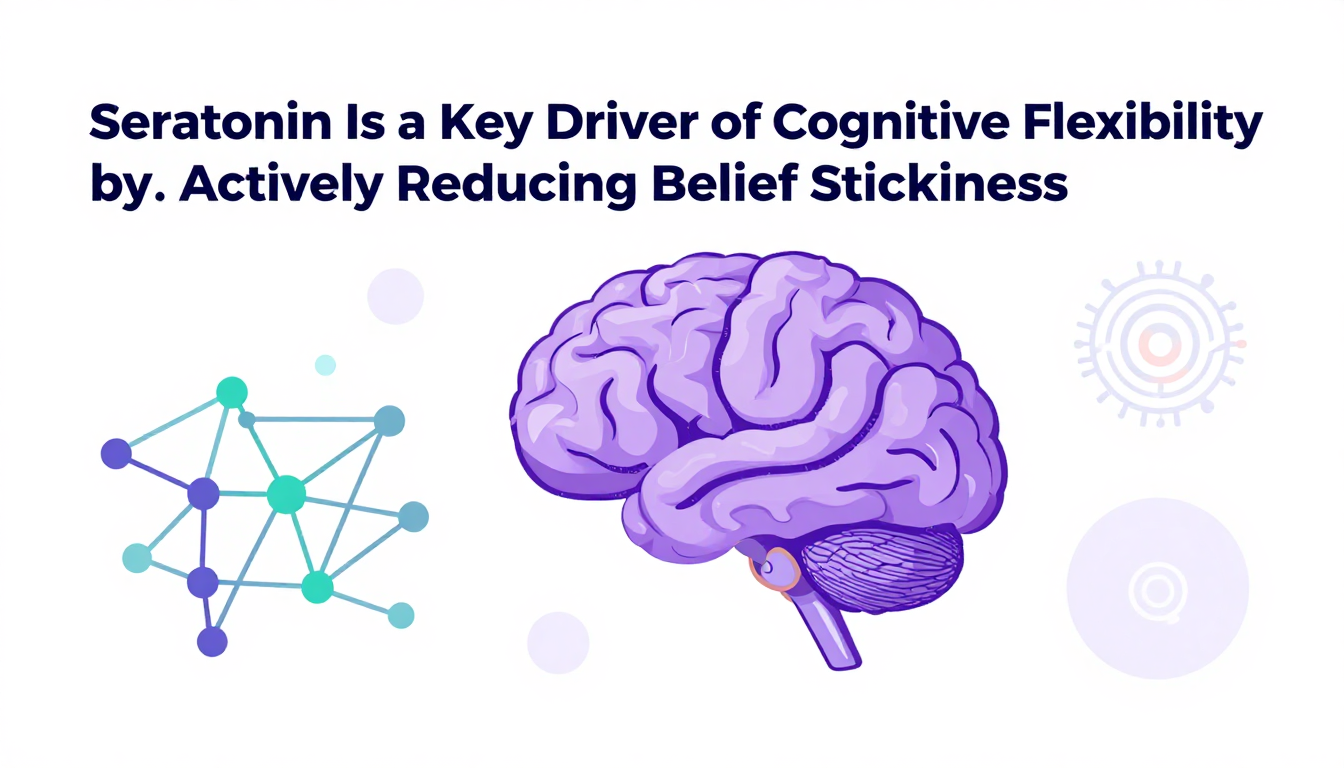
Serotonin Is a Key Driver of Cognitive Flexibility by Actively Reducing Belief Stickiness
Understanding how serotonin modulates cognitive flexibility by reducing belief stickiness—the tendency to cling to outdated assumptions despite contradicting evidence—and its implications for mental health, decision-making, and AI systems.
A Critical Methodological Analysis Challenges the Scientific Foundation of Modern Consciousness Research
A research team has issued a fundamental challenge to neuroscientific methods used in consciousness studies, arguing that current approaches are built on shaky theoretical and empirical ground. The analysis examines how information processing frameworks shape our understanding of conscious experience.
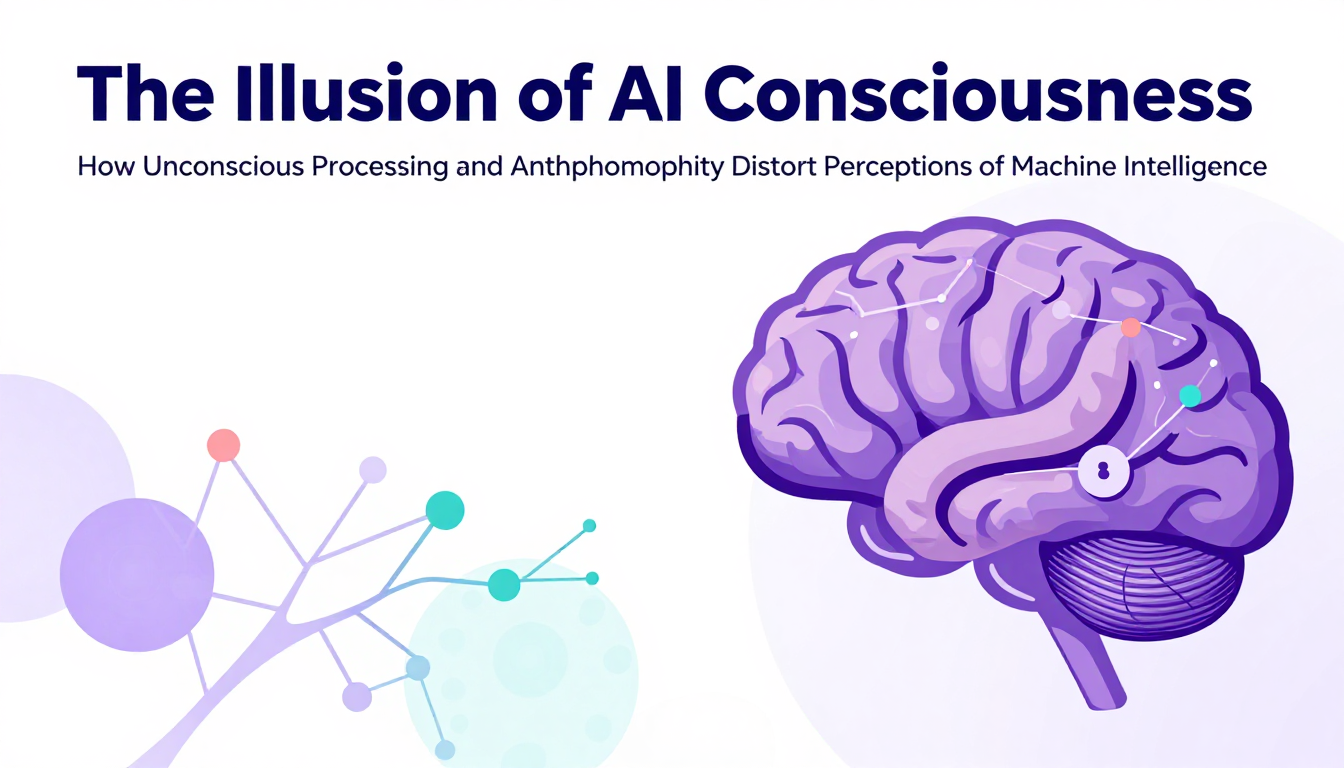
The Illusion of AI Consciousness: How Unconscious Processing and Anthropomorphism Distort Perceptions of Machine Intelligence
Research into human unconscious processing and anthropomorphism provides a framework for understanding why complex AI systems are perceived as conscious, distinguishing behavioral mimicry from subjective awareness.
AI Brain Rot: A Deskilling Case Study
Case study of Mitchell Coburn's resignation over AI brain rot, exploring occupational deskilling and cognitive load. Related research on artificial sentience can be found in our deep dive on the Illusion of AI Consciousness.