
Neuroscience
The brain, neural systems and cognitive neuroscience.
Beyond Habit Loops: Serotonin Resets the Brain's Sticky Beliefs in OCD
A pioneering computational psychiatry study demonstrates that boosting serotonin levels directly counteracts belief stickiness, offering a new state-inference framework for obsessive-compulsive traits and optimized drug-therapy integration.
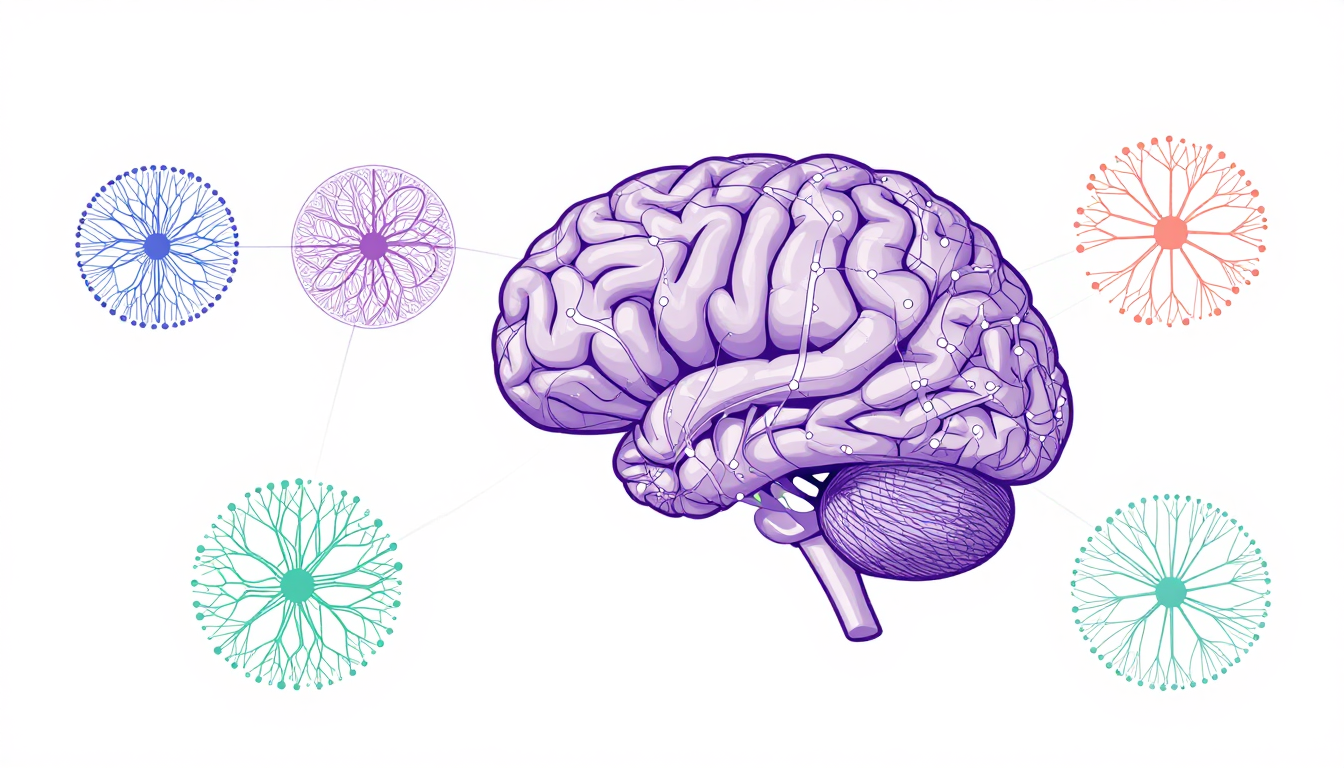
Decentralized Complexity: New Fruit Fly Map Challenges Centralized Brain Control
Researchers have mapped the entire central nervous system of an adult fruit fly, revealing that motor control for complex behaviors is distributed across localized neural circuits rather than dictated by a central hub in the brain.
Why Your Brain Rehearses Conversations at 2 a.m.: The Neuroscience of Nighttime Rumination
Understanding how the default mode network transforms intrusive evening thoughts from rumination to reflective learning through cognitive closure and expressive writing.
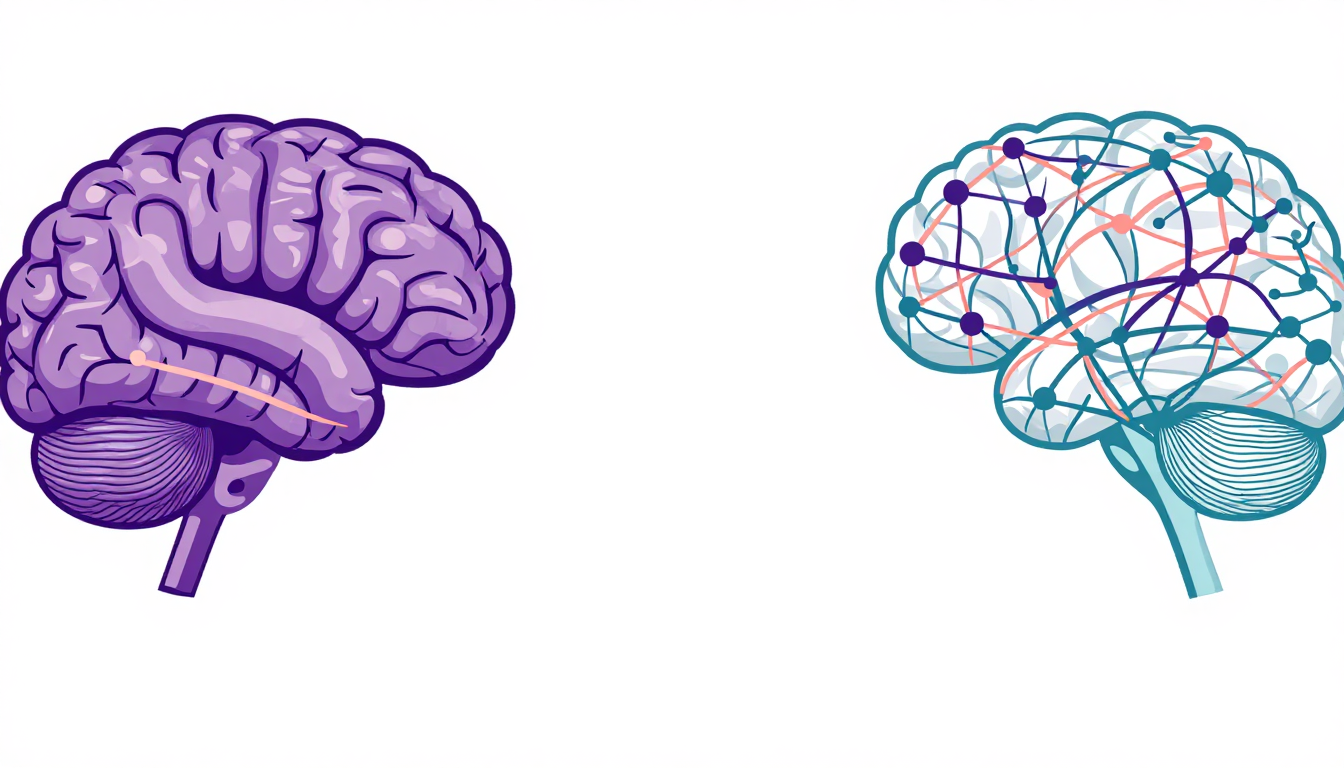
Two Distinct Biological Subtypes of Autism Identified via Brain Connectivity
A groundbreaking 2026 study in Nature Neuroscience has identified two reproducible biological subtypes of autism-spectrum disorder distinguished by contrasting patterns of brain connectivity, bridging human fMRI findings with molecular mechanisms in mouse models.
The Specter of 'AI Brain': Could Chronic AI Use Cause Computational Brain Injury?
Explores emerging concerns that persistent, over-reliance on generative AI could lead to a syndrome of 'computational brain injury' (AIAND). This article discusses risks of cognitive atrophy, professional deskilling, and attachment interference, providing insights on how to maintain cognitive autonomy in an AI-dominant society. Includes research on automation bias and neural structural changes.
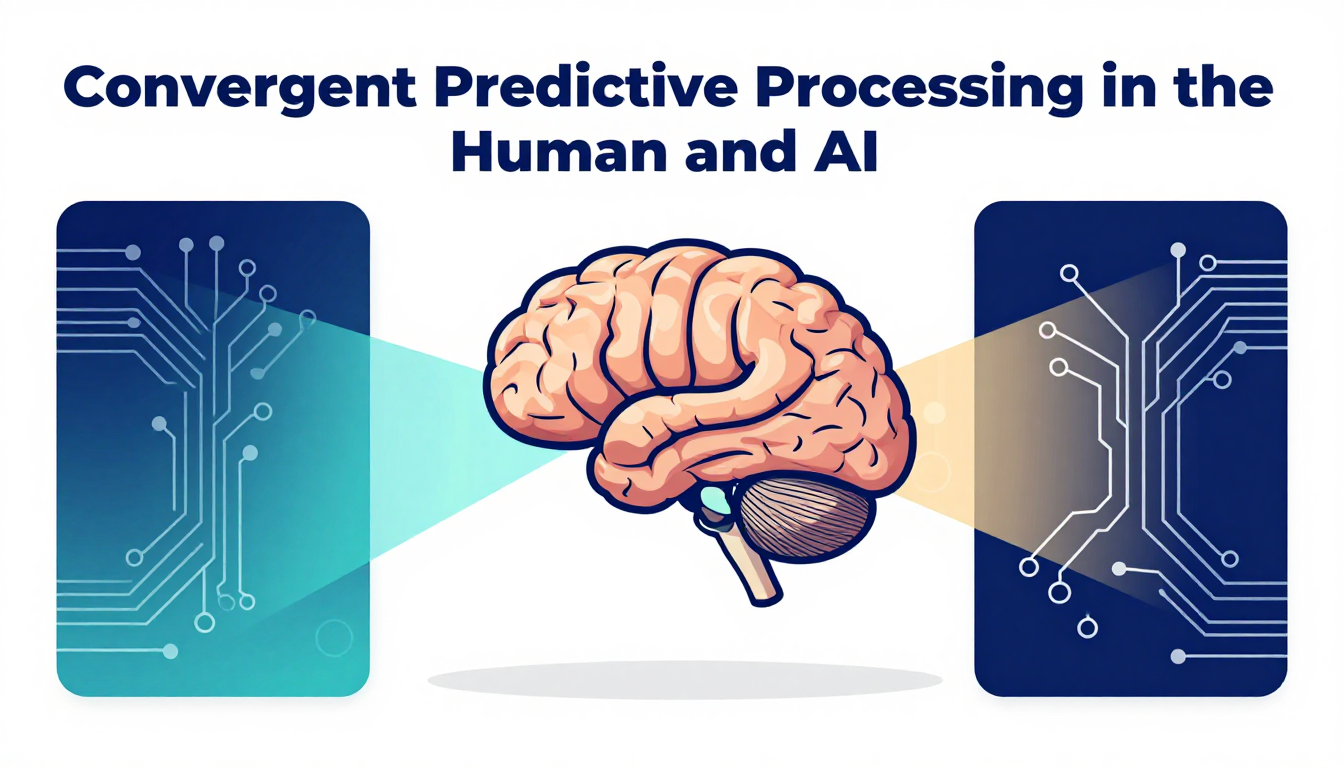
Convergent Predictive Processing in the Human Brain and AI
A review of recent neuro-imaging research demonstrating that human brains and Large Language Models mirror each other in language anticipation and parallel information processing.
If you and your family are happily engaging one another without staring into electronic devices, your brains and socioemotional health are better for it
Exploring how family engagement without electronic devices positively shapes child development through brain synchronization, covering neural coupling mechanisms, developmental benefits, and practical strategies for device-free family engagement.
The Embodied Trauma: How Childhood Adversity Rewires Brain-Immune Communication
A new study provides the first direct evidence that childhood maltreatment remodels the real-time communication loops connecting the immune system and the brain's fear learning circuits. The findings highlight how the timing and type of adversity (abuse vs neglect) fundamentally alter neuro-immune pathways through specific cytokine-mediated mechanisms that persist into adulthood.
Proactive Brain Training Strengthens Mental Wellness Before Challenges Arise
A six-month daily brain-training intervention improved mental health metrics across participants, suggesting preventive cognitive training may help people build resilience before stress or illness emerges.
GLP-1 Drugs Reduce Depression, Boost Stress-Calming Gut Bacteria: A Novel Gut-Brain Axis Mechanism
A groundbreaking study reveals that the GLP-1 agonist liraglutide alleviates depressive symptoms through an alternative gut-brain axis pathway involving Lactobacillus delbrueckii and endocannabinoid modulation—challenging the long-held brain-centric model of depression treatment.
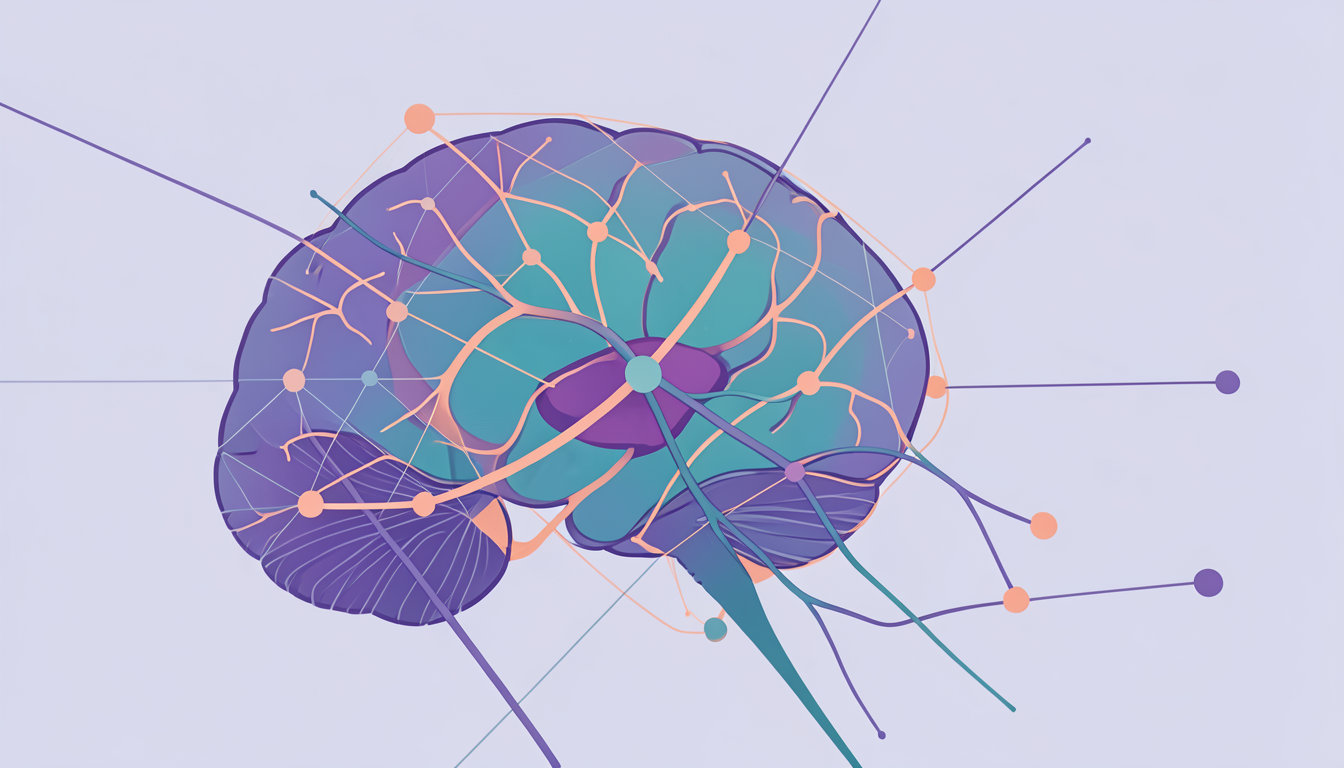
Neural Manifold Alignment: The Key to Rapid Brain-Computer Interface Learning
Yale researchers developed a brain-computer interface that aligns with the brain's natural geometric pathways, enabling users to control avatars in under an hour instead of requiring 10+ training sessions. The approach leverages T-PHATE algorithm and real-time fMRI neurofeedback to map individual neural manifolds.
Low Baseline Dopamine Drives Adolescent Substance Experimentation: Compensatory Response, Not Impulse Failure
A groundbreaking University of Pittsburgh study overturns decades of neuroscience dogma, revealing that adolescent substance use stems from a dopamine deficiency—not excess—and represents a biological attempt to compensate for under-stimulated reward systems.