
PublishLens Article Library
Explore source-grounded articles across engineering, applied AI, science, business, and policy, with practical context and clear topic desks for every reader.

Krisp Unveils Unified Voice AI Platform with Full Call-Center Governance and Real-Time Fraud Protection
Krisp launches expanded voice AI capabilities for contact centers, combining speech analytics, real-time agent assistance, and voice security to enforce compliance across 100% of voice interactions while detecting synthetic caller fraud live.

Beyond Blocking: Strategically Evaluating AI Crawler Impact and Value
A framework for identifying AI crawler traffic in logs, quantifying its value through citations and referral traffic, and determining whether to allow or block AI bot access to your content.

Beyond the Memory Limit: Transforming LLM Efficiency with Context Compression
Exploring recent technological breakthroughs that enable LLMs to manage long-running agentic tasks by compressing context without accuracy degradation.
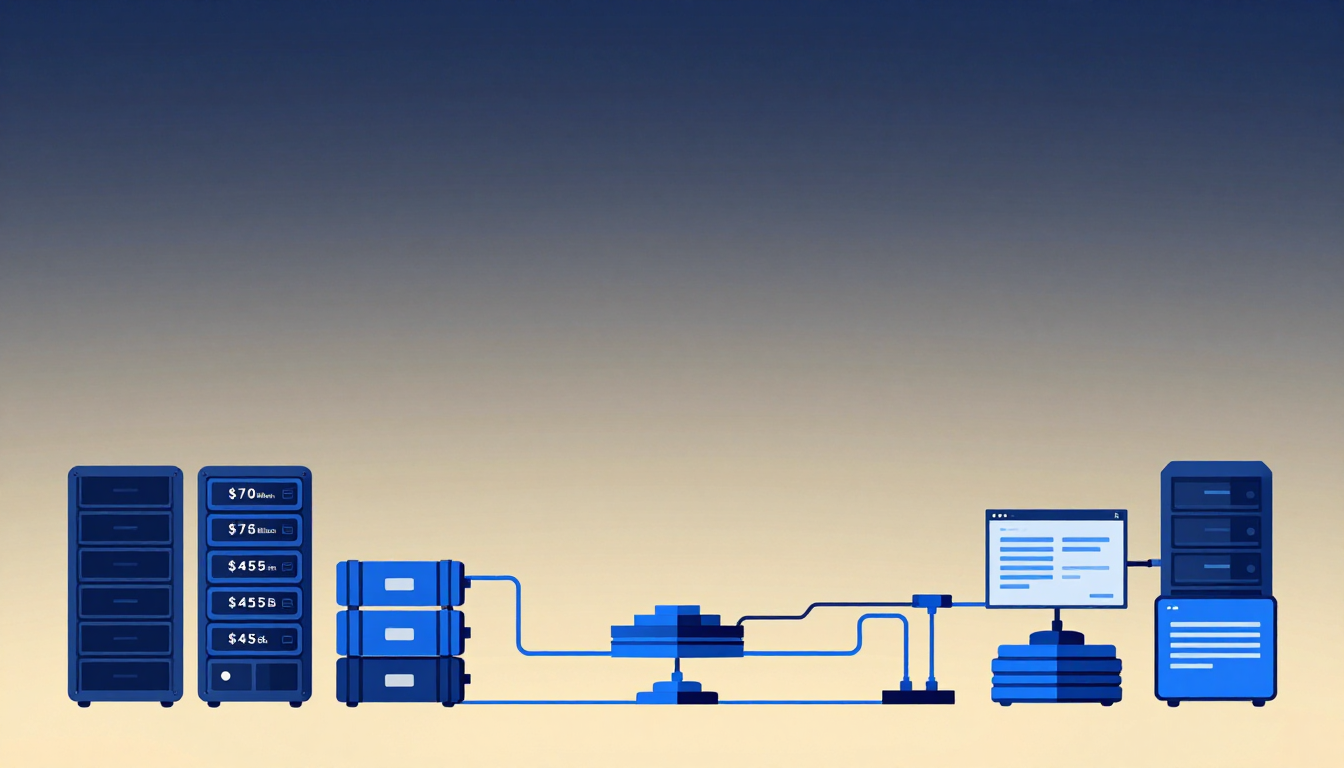
Oracle's AI Infrastructure Rush: $70 Billion, $455 Billion Contracts, and a Leap into the Deep End
Oracle is spending $70 billion in reported capex (and an effective $455B in contracted obligations) to build AI datacenters, betting it can outpace rivals in infrastructure speed and scale. Here’s what that means for its balance sheet, margins, and who ends up paying the tab.

The Silent Ad Killer: How Inaccurate Conversion Data Sabotages Google Ads Performance
An exploration of why conversion data is more than a reporting tool, detailing its critical role in fueling Google Ads' machine learning bidding, targeting algorithms, and budget allocation.

The New Search Landscape: Why Paid and Organic Visibility Are Now One and the Same
With Google’s Gemini search now serving over a billion monthly users and AI agents handling everything from product discovery to checkout, the old “blue link” division between paid and organic has evaporated. Here’s how modern marketers should rethink visibility for an agentic era.

Google’s Liz Reid’s Personalization Promise: Hopeful, Incomplete, and Worth Testing
Google's Liz Reid argues personalized search and preferred sources help niche publishers surface—though without public data, small sites must test claims on their own traffic before trusting the lift.

Java’s First Real Shot at Value Types: Project Valhalla Enters JDK 28
Oracle engineer Lois Foltan has confirmed Java’s Project Valhalla — specifically JEP 401 for value classes and objects — is finally landing in the OpenJDK mainline, targeting JDK 28. Don’t expect it to be production-ready yet: this is just the preview ramp, and value semantics will still need patience.
FuriosaAI Takes Lisbon — And the Power Math Actually Makes Sense
FuriosaAI's RNGD accelerators are now live at Equinix's Lisbon datacenter. For a South Korean chip startup that's been quietly building power-efficient inference silicon since 2017, the European debut is less about offloading inventory and more about betting on sovereign AI compute — with a chip that sips 180W while delivering serious FP8 throughput.

OpenAI's GPT-5.5 Instant Is Learning to Read Between the Lines
OpenAI is shifting from models requiring heavy hand-holding to systems that better infer user goals, as seen in the updated GPT-5.5 Instant model's improved intent understanding and constraint handling.
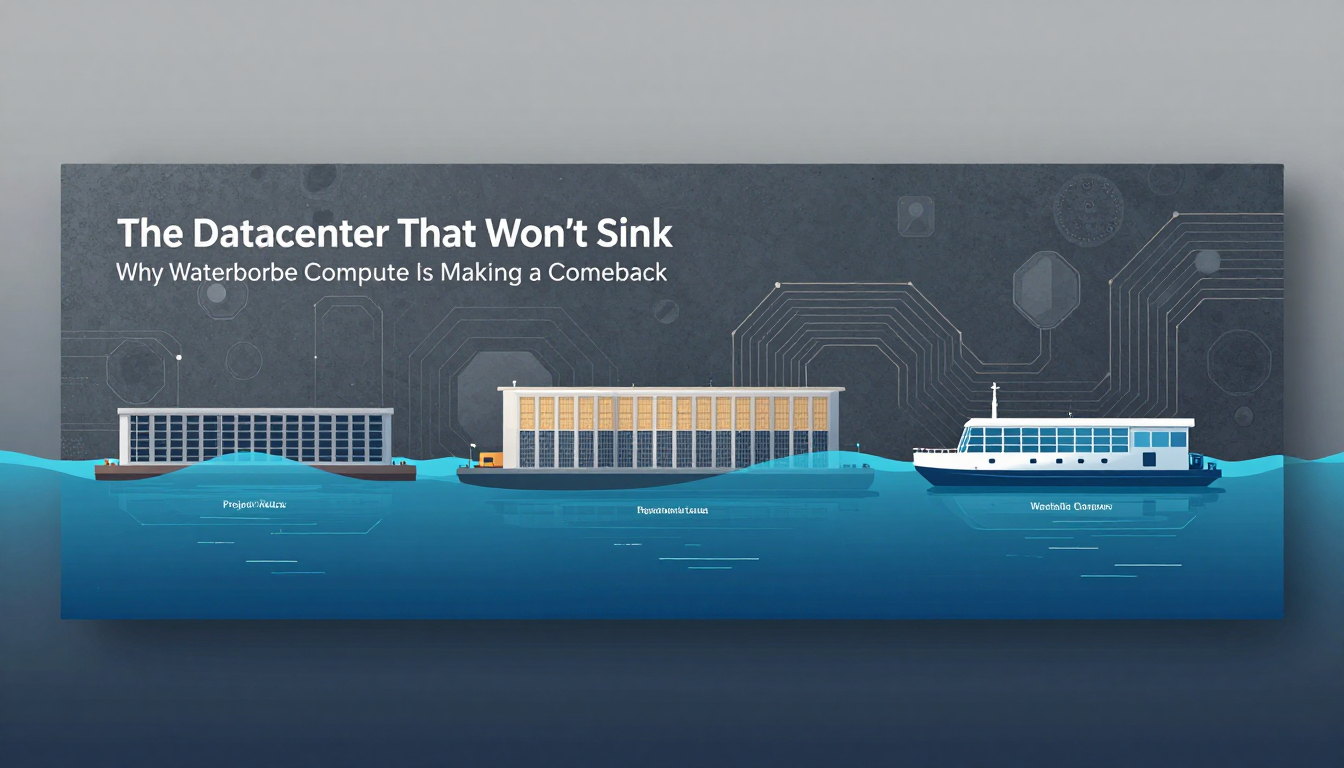
The Datacenter That Won't Sink: Why Waterborne Compute Is Making a Comeback
From China's offshore wind-powered underwater facility to Microsoft's surprisingly low-failure Project Natick, from Nautilus Data's operational barges to Panthalassa's wave-powered deep-ocean structures — waterborne datacenters are no longer a novelty. Here's the full landscape of why operators are dipping back into the water, what actually works, and where the hard limits lie.
Cloud Repatriation: The Shift from Hyperscale Cloud to Dedicated Infrastructure
Explore the driving forces behind cloud repatriation, including cost, performance, compliance, control, and portability pressures, and understand why enterprises are moving workloads from hyperscale cloud to dedicated infrastructure.