
PublishLens Article Library
Explore source-grounded articles across engineering, applied AI, science, business, and policy, with practical context and clear topic desks for every reader.

Trained on Us: How AI Codifies Human Prejudice at Scale
AI does not impartially observe reality—it mirrors human stereotypes. Operating at scale, it reinforces inequalities in healthcare, diagnostics, and public perception across socioeconomic lines.
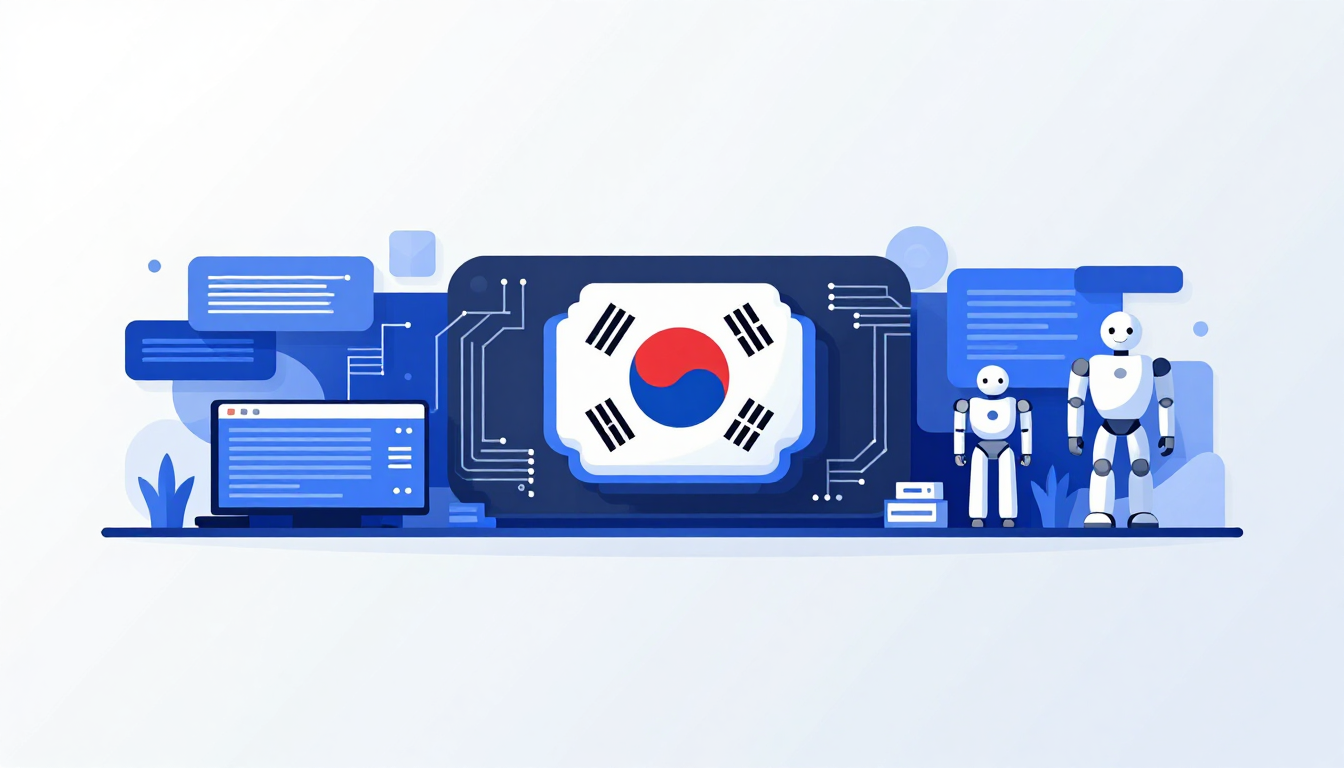
South Korea's $1 Trillion Bet on Chips and Robots
South Korea's government and leading tech firms are committing $1 trillion toward flagship megaprojects focused on expanding memory chip production capacity and advancing humanoid robot development, marking one of the largest national technology investments in history.

Asa Fitch Writes the Balance Sheet of AI Adoption
Asa Fitch, a Wall Street Journal journalist, tracks how AI is quietly reshaping corporate spending, not through hype, but through balance sheets and CFO decisions. His work in Heard on the Street and the AI & Business newsletter reveals the real story of AI adoption: not innovation, but execution.

The Trillion-Dollar Launchpad: How the SpaceX IPO and AI Infrastructure Pivot Redefined the Tech Landscape
An analysis of SpaceX's record-breaking Nasdaq public debut, examining the significant financial windfalls, massive institutional compute leasing agreements, and strategic pivot toward AI-integrated software development through targeted acquisitions.

Lucid Cuts Its Arizona Second Shift — And 1,500 Jobs — to Survive
An analysis of Lucid Motors' decision to cut 18% of its workforce and eliminate the second shift at its Arizona plant as part of a broader corporate restructuring by new CEO Silvio Napoli.

The Brain's Hidden Architecture of True Multitasking: How Practice Rewires Neural Pathways Beyond the Prefrontal Cortex
A landmark Georgetown study reveals that true multitasking emerges not from rapid switching, but from the physical migration of automated skills from the prefrontal cortex to the temporal lobe—transforming how we understand learning, addiction, and AI.
Choosing Action Over Avoidance: How Acceptance and Commitment Therapy Works
Acceptance and commitment therapy (ACT) is an evidence-based, action-oriented psychotherapy developed in the 1980s by Steven C. Hayes. It teaches clients to stop avoiding painful emotions and instead commit to behavior changes aligned with personal values, using six core processes that build psychological flexibility.
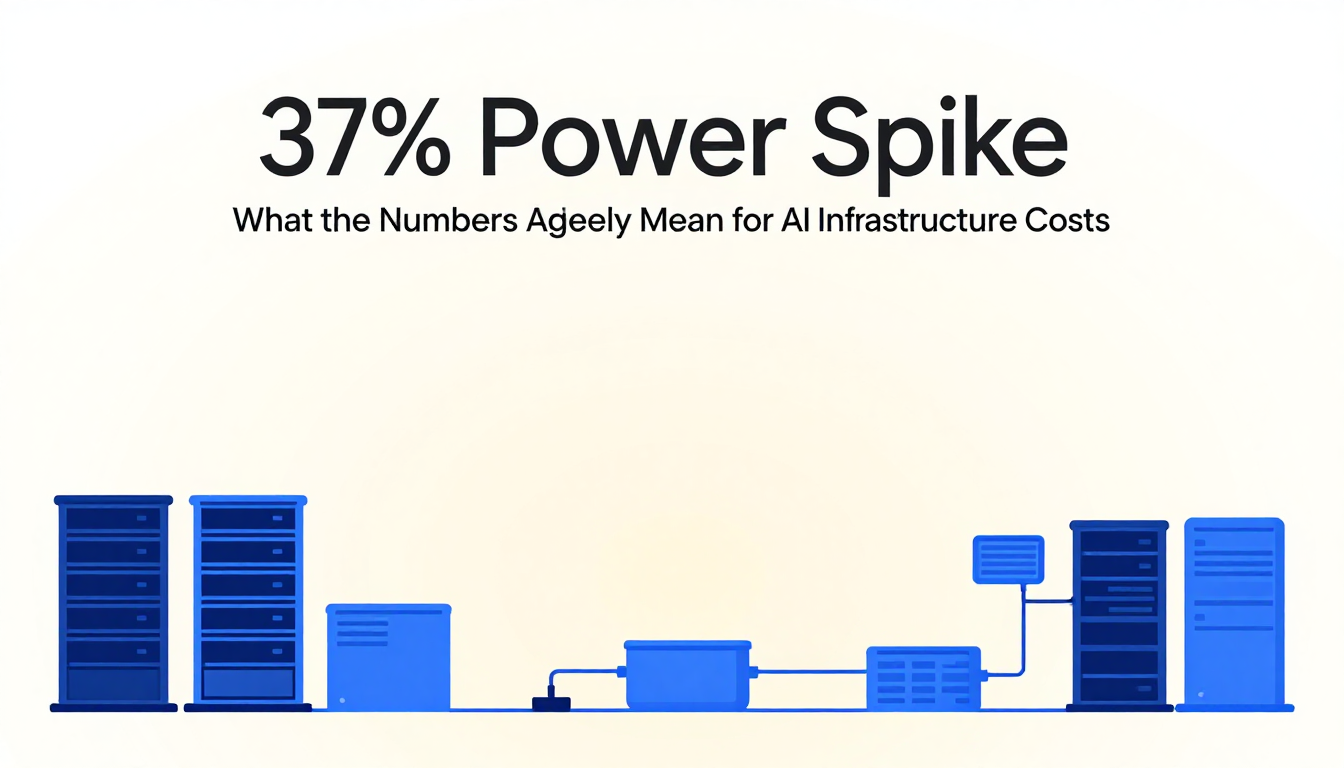
Google's 37% Power Spike: What the Numbers Actually Mean for AI Infrastructure Costs
Google's 2025 electricity consumption jumped 37% year-over-year—the most dramatic single-year increase in the company's history—fuelled by massive AI infrastructure investments including new data centers and GPU clusters.

California’s AI Bargain Is a Middle Finger to Washington
California’s discounted Claude deal with Anthropic isn’t just a procurement win—it’s a deliberate rebuke of federal AI policy, exposing a deepening rift between state innovation and federal overreach.

iOS 27’s Silent AI Revolution: How Apple’s Hidden Features Are Reshaping Daily Life
Beyond Siri’s spotlight, iOS 27 embeds intelligent automation into core apps—transforming bill-splitting, password security, messaging, home control, and tab management with seamless, privacy-first AI that requires no voice commands.

Why Your Email Security Team Is Drowning—And How Behavioral AI Is the Lifeline
Phishing, business email compromise (BEC), and account takeover (ATO) attacks continue to overwhelm security teams with alert volume. This webinar explores how behavioral AI can automate detection, investigation, and remediation to relieve analyst backlogs.

Homeland Security Network Breach Exposes Sensitive Regional Coordination During World Cup Planning
The Department of Homeland Security is investigating a cyber intrusion targeting the unclassified Homeland Security Information Network (HSIN) and its SharePoint collaboration system between late May and early June 2026. The breach, attributed to an unidentified threat actor, raised concerns about exposure of World Cup security plans while classified systems remain unaffected.