
Blog
Insights, guides, and updates from the ProBackend team.

Decart's Oasis 3: A Leap Forward in Real-Time Photorealistic Driving Simulations
Decart's Oasis 3 introduces a groundbreaking interactive world model capable of generating photorealistic driving environments in real time. This article delves into the technical advancements, applications, and challenges of Oasis 3, while also exploring the capabilities of Lucy 2.0 and Lucy 2.1 in real-time video transformation.
OpenAI’s Ad Bet: Why Image, Video and Conversational Units Could Change ChatGPT Forever
OpenAI’s hiring spree for ad engineers signals a major expansion beyond the basic sponsored block—bringing image, video and conversational units to ChatGPT and raising urgent questions about attention, trust, and organic visibility.

When AI Agents Delete the Wrong Thing: Why Recovery Must Keep Pace with Agentic Speed
AI agents now write code and execute tasks at machine speed—but when they delete production data, most recovery systems are too slow to help. Experts say air-gapped backups and granular restores are essential as agentic AI blurs the line between coding aid and autonomous operator.
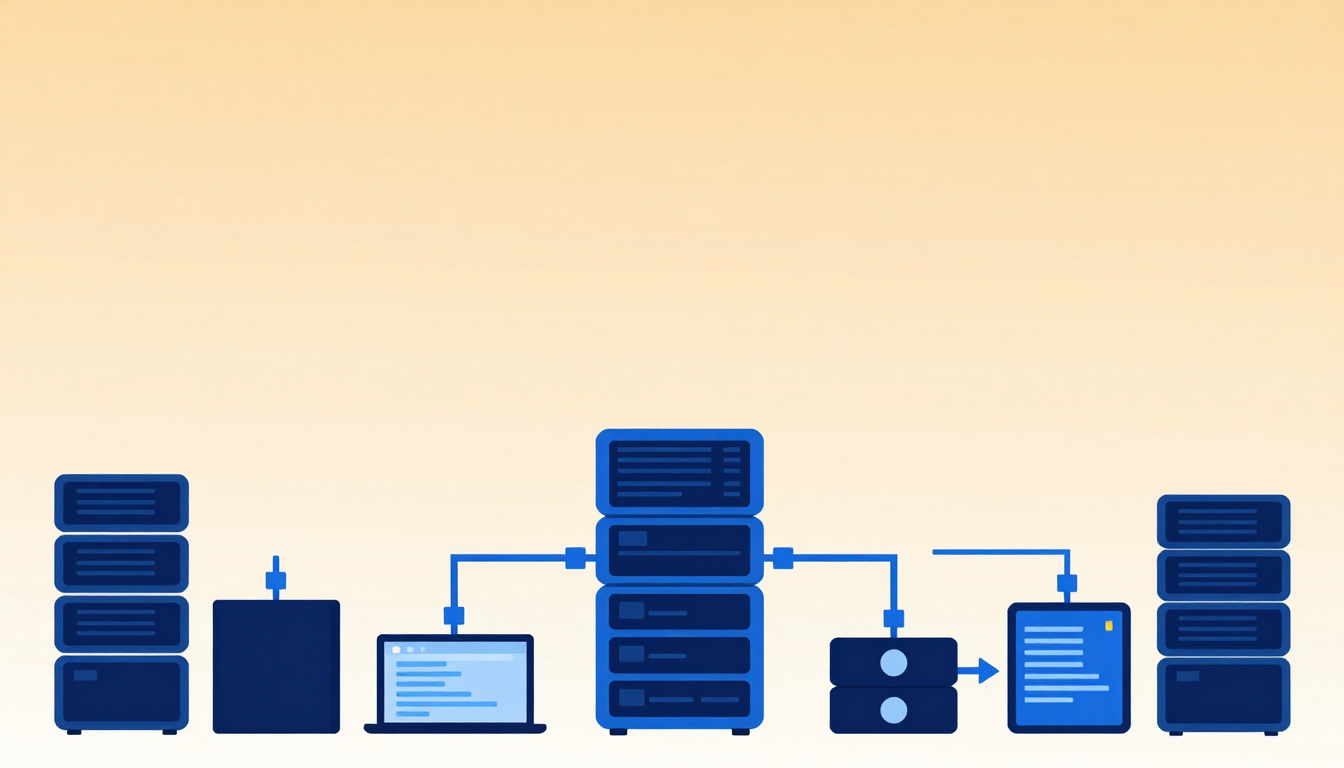
The Data Layer Underneath an Agentic System Must Handle Variable Schemas, Vector Embeddings, and Real-Time Retrieval
Digital-native startups are abandoning rigid, schema-first databases in favor of flexible data stacks that can absorb the variable schemas, vector embeddings, and real-time retrieval demands of autonomous AI agents.
Why EDB Wants You to Run Analytics Inside Postgres Instead of a Lakehouse
EDB's converged analytics approach leverages Postgres as the operational source of truth, using Apache Iceberg to connect analytical engines without ETL pipelines. The play: keep data on infrastructure you control, simplify governance, and support AI agents that need real-time access to both transactional and historical data.

How Pentera Labs Turned Claude Desktop into a Double Agent
Pentera Labs' red teamers successfully compromised a developer's AI agent through the Claude Desktop app, demonstrating how attackers can exploit trusted AI assistants to gain full remote code execution on a target machine.

SEO Isn’t Dead—It’s the Foundation AI Search Depends On
The rise of GEO and AEO doesn’t replace SEO. It reveals how deeply AI search depends on solid technical infrastructure, entity signals, and information architecture.

AI Overviews and Featured Snippets: What Security & Compliance Analysts Need to Know About Google’s Answer Formats
How AI-generated answers differ from traditional featured snippets—and what it means for ranking visibility, citation strategy, and content optimization in security and compliance search.

From E-Scooters to Stars: How a Spin Founder’s Space Bet Mirrors SpaceX’s IPO
Orbital's founder left Ford and e-scooters behind to chase AI compute in orbit — a vision only possible because SpaceX is making space cheap enough to scale.
Security & Compliance Analysts Don’t Click—They Citation: Why Branded Discovery Matters More Than Page 1
Security & compliance analyst workflows have shifted: buyers increasingly rely on AI-generated citations and trusted signals before clicking. This means visibility isn’t about top rankings anymore—it’s about being the brand AI systems cite as authoritative. Here’s how to build discoverability across fragmented search ecosystems.

Why Your Next AI Tool Should Live on Your Machine
As generative AI for development expands and becomes more commodified, local models are emerging as the most productive path forward driven by streamlined open-source tooling, shrinking model sizes, and spiraling cloud costs.
Why 61% of Multi-Location Brand CMOs are Stuck—and How an Orchestration Layer Unlocks Real AI ROI
61% of CMOS say local marketing is too complex — here's how an AI orchestration layer, using Uberall’s UB-I agent and the four pillars of Location Performance Optimization (LPO), can restore search visibility, deliver real-time ROI tracking, and automate GBP management at scale.