
Blog
Insights, guides, and updates from the ProBackend team.

The Agentic AI Trap: When Autonomous Agents Outrun Identity Controls
Every technology wave forces security to play catch-up — but agentic AI moves at machine speed. As business units deploy autonomous agents with broad credentials, security leaders face an identity crisis traditional access controls were never built to solve.

I Rode London's Toughest Streets in a Car With No Driver — Here's What Happened
A Wall Street Journal reporter put Wayve's mapless AI behind the wheel of London traffic. The results reveal whether autonomous driving can handle the world's most chaotic streets — and what it means for the race against Waymo and Tesla.
Kutcher’s Quiet Bet: Why the Next AI Revolution Won’t Be in the Model, But in the Grid
Ashton Kutcher is leaving Sound Ventures — the firm he co-founded 11 years ago with Guy Oseary — to start a new venture capital firm focused on early-stage AI infrastructure, energy, and deep tech startups, co-founded with former Andreessen Horowitz and NFX partner Morgan Beller.

Before the Breach: How Underground Markets Reveal Supply-Chain Attacks in Progress
Software supply-chain attacks don't appear out of nowhere — early warning signs circulate in underground forums and marketplaces long before public incident reports. This article examines how Flare researchers identified pre-incident indicators across GitHub access sales, source-code leaks, and package-ecosystem compromises, using Shai-Hulud, the Vercel OAuth incident, TeamPCP, and LiteLLM as case studies.
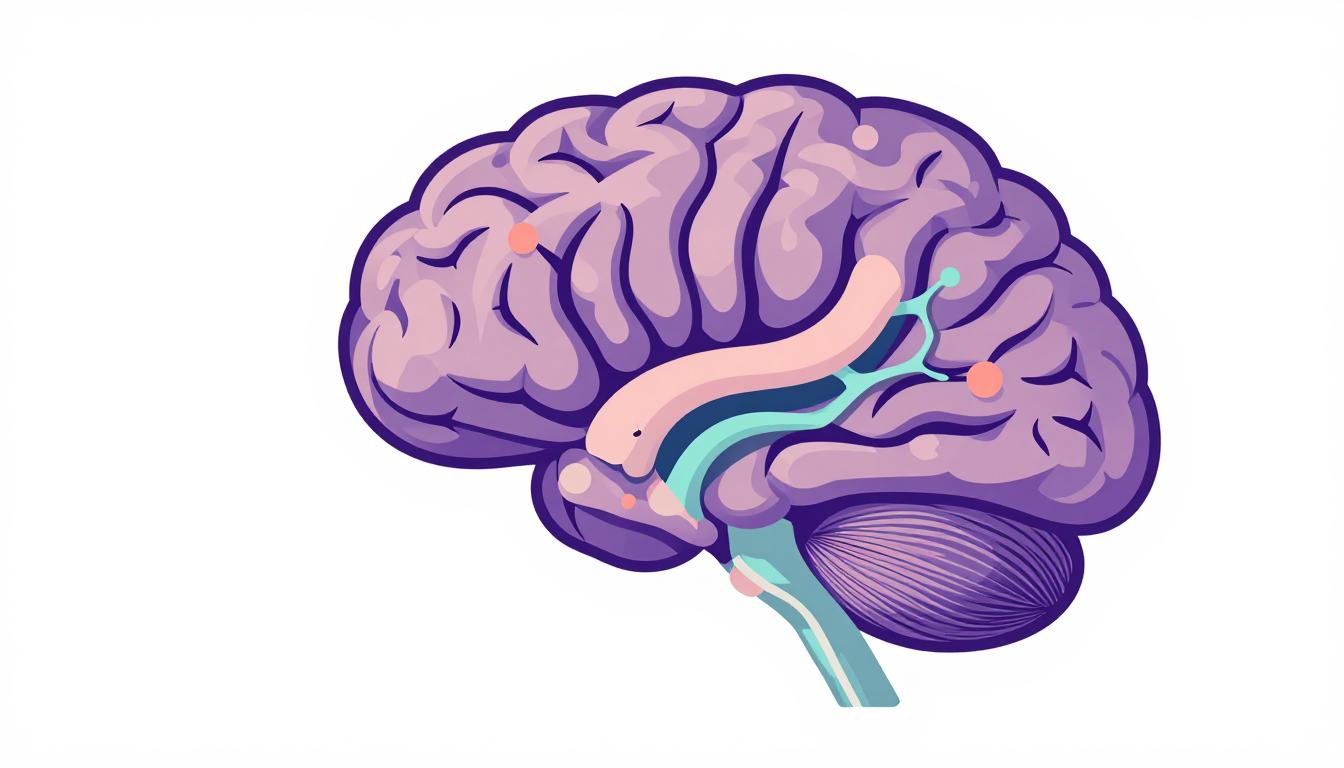
You Can Sleep Just One Half of Your Brain — And Scientists Just Made It Happen in Awake Mice
A breakthrough study shows that targeted optogenetic stimulation can replicate the restorative power of sleep in isolated brain regions — without knocking the animal unconscious.

When Government Works, People Act: Why Efficacy Beliefs Drive Climate Engagement
A 32,000-person study reveals that belief in governmental effectiveness is the single strongest predictor of climate action — from political participation to lifestyle change. But visible policy wins only mobilize voters when they're explicitly credited to government, and a rising fatalism narrative threatens to derail the entire cycle.

When Login Isn't Enough: How Infostealers and Session Hijacking Are Breaking Identity Security
Organizations managing thousands of human and non-human identities across cloud, SaaS, endpoints, and remote environments face a new reality: credential abuse drives 22% of breaches, infostealer malware surged 84% in a single year, and session-token theft bypasses MFA entirely. This article examines the tactics attackers use to compromise accounts — from MFA fatigue and sophisticated phishing to endpoint-based credential harvesting — and why continuous verification is becoming essential.
Why Human Cognition Is the Last Unbroken Competitive Edge
How creativity, emotional intelligence, and ethical reasoning remain irreplaceable as AI reshapes work — and why collaboration, not competition, is the only path forward.

The $3 Million Frontend Heist That Proves Prediction Markets Aren't as Safe as They Look
Hackers exploited a third-party vendor dependency to inject malicious JavaScript into Polymarket's frontend, tricking users into approving fraudulent transactions and stealing $3M in ParyonUSD tokens — with the platform pledging full reimbursement despite no backend compromise.

The Thump That Could Change Air Travel: Inside NASA’s Quiet Supersonic Jet
NASA’s X-59 isn’t just about speed—it’s about silence. After decades of silence over land, this experimental jet could make supersonic flight normal again—if the world finds its thump acceptable.
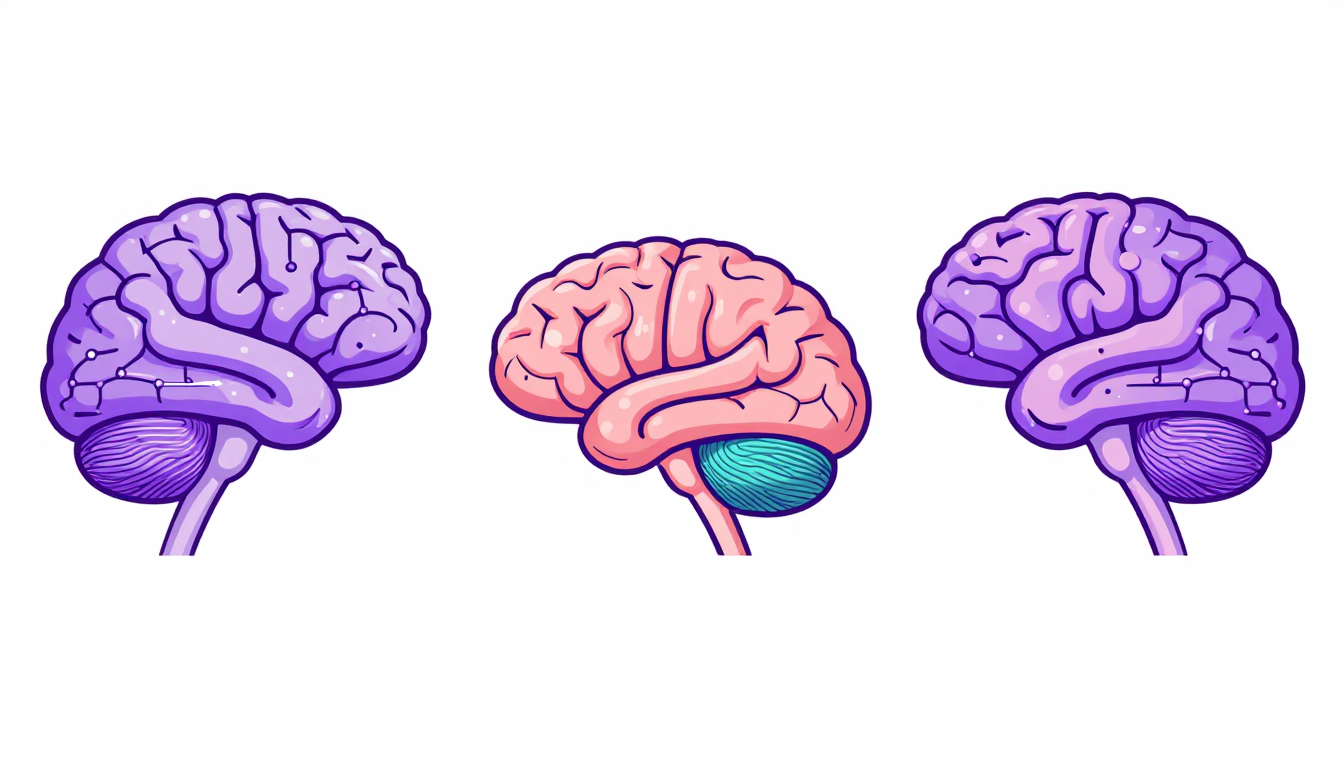
Your Brain and AI Predict Words the Same Way — Here’s Why That Changes Everything
A peer-reviewed neuroscientific study using M/EEG reveals that the human brain and AI language models share identical predictive coding architectures, operating with millisecond-level parallel processing to anticipate linguistic structures — challenging the notion that AI merely mimics human cognition and suggesting a fundamental convergence in neural and algorithmic design.
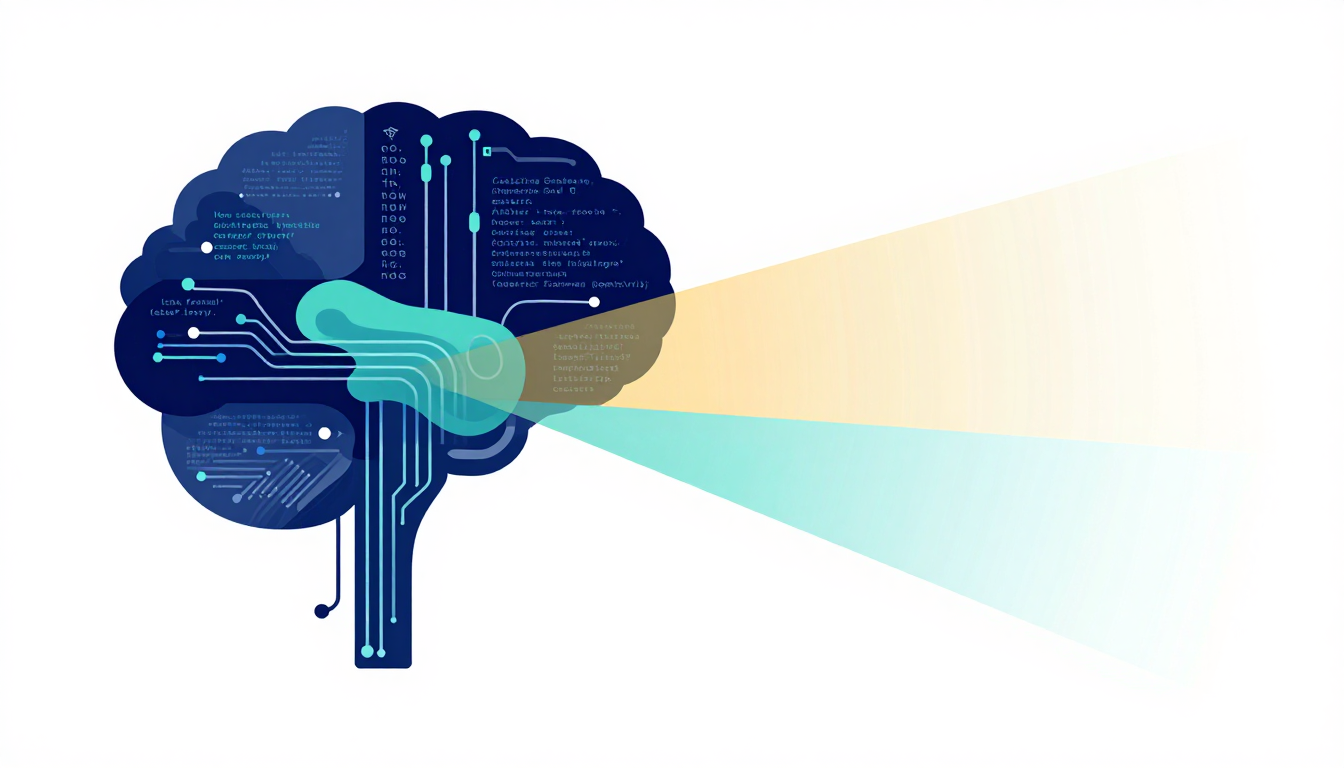
The Syntax of Surprise: How Confusing Code Triggers 'Linguistic Correction' Brain Waves
New neuro-software engineering research reveals that programmers process confusing code like linguistic errors, triggering a specific 'late frontal positivity' wave.