
Neuroscience
The brain, neural systems and cognitive neuroscience.
Rethinking the Mind: How Dual Neural Lineages Shape AI Impact on Human Psychology
Explore how recent discoveries of dual brain development lineages reshape our understanding of artificial intelligence, neuroscience, and human psychology.
Neuroscience - Wikipedia Meets the Pufferfish: How a Single Latch Rewired Taste
The first 3D crystal structure of a pufferfish umami receptor reveals a molecular latch that lets one protein taste both sweet and savory — a finding with real implications for flavor science and sensory evolution.
Your Pen Outperforms Your Tablet: The Neuroscience Behind Paper's Memory Edge
A University of Tokyo EEG study reveals that handwriting on paper produces measurably stronger brain activation during recall compared to digital note-taking — and does so faster.
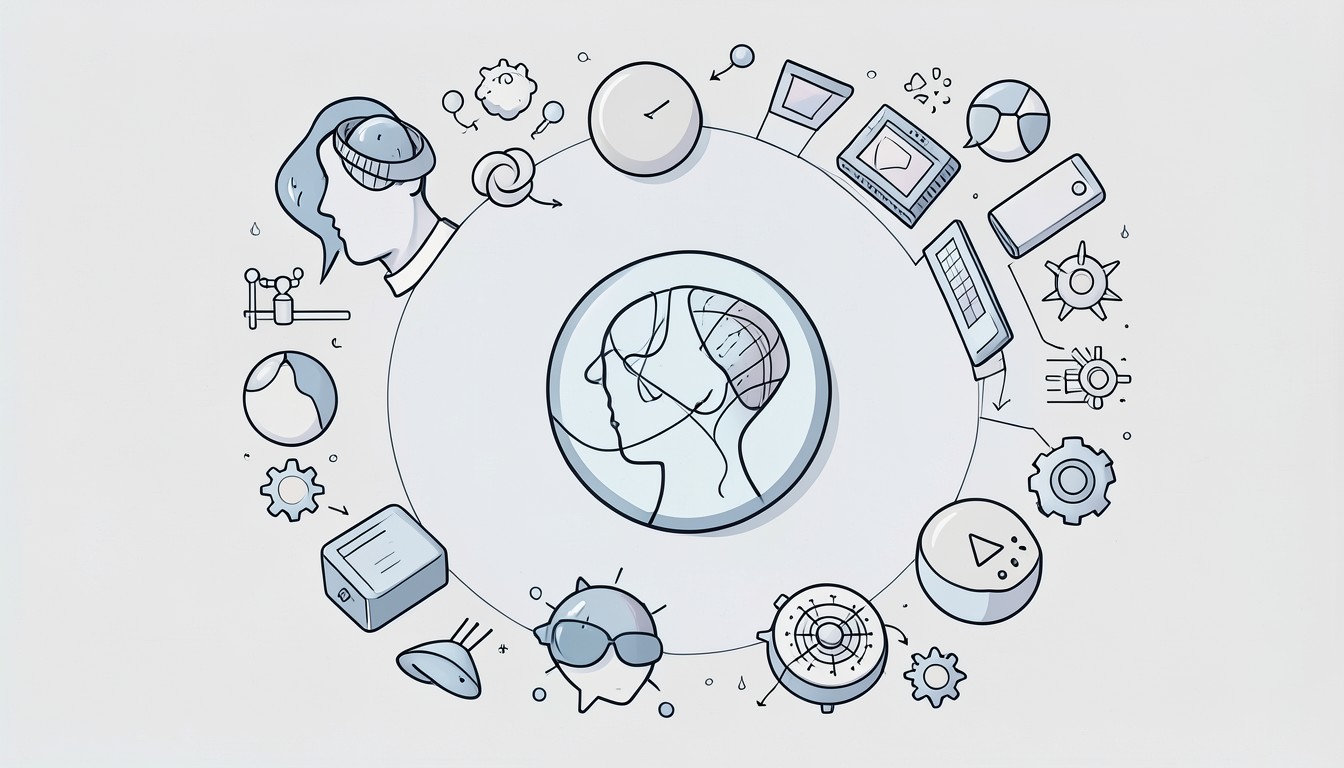
The AI Impact on Human Psychology Starts Inside a Fruit Fly's Brain
YORU recognizes whole-animal behavior in crowded social scenes and can trigger precise optogenetic interventions. The work offers a research method—not proof that AI understands human psychology.
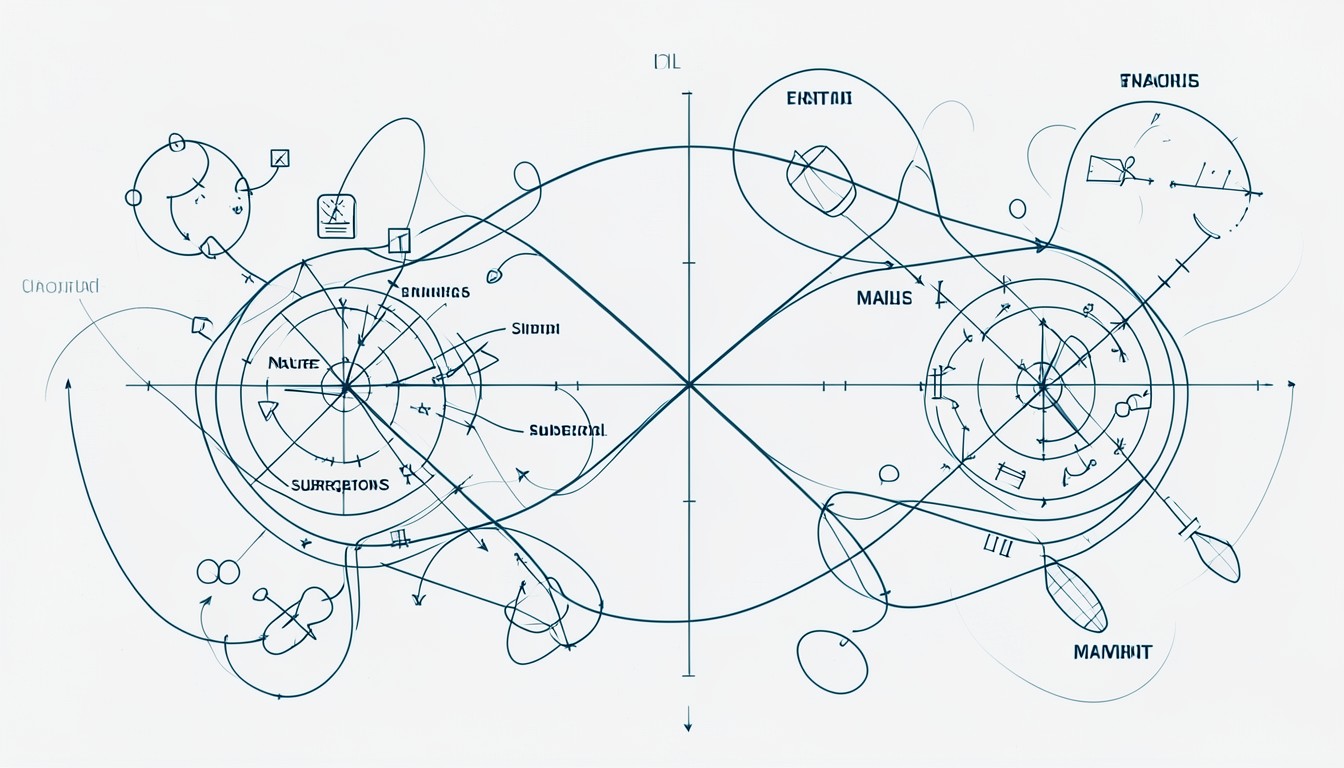
Precision Blueprint: Nature Neuroscience Mapping Unlocks 16 Subregions in the Mouse Motor Cortex
A Nature Neuroscience–style coverage of a new atlas that redraws the mouse motor cortex into 16 projection-defined modules, with implications for motor control, ALS, and FTD research.
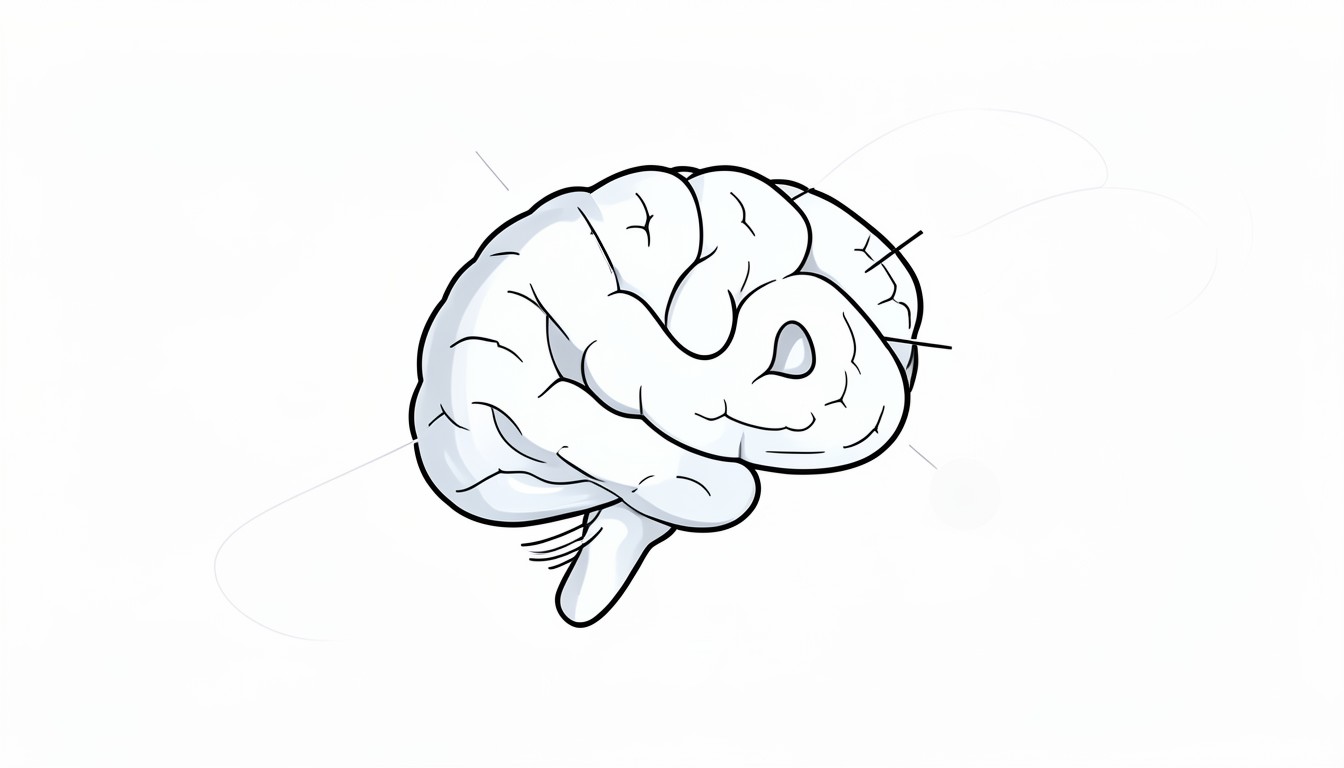
Decoding the Fly Brain: Inside the First Complete Wiring Diagram of 166,000 Neurons
Explore the complete adult fruit fly central nervous system connectome published in Cell by researchers from HHMI Janelia, Cambridge, and Google Research. Spanning 166,700 neurons and 500 million synapses, this landmark map reveals sexual dimorphism, sensory-to-motor pathways, and opens the door to vertebrate brain mapping.
Mapping Infant Agency Through Neuroscience Mental Health Research
A comprehensive neuroscience and developmental research article exploring how 3D motion capture and coordination dynamics reveal the birth of infant agency.
The AI Impact on Human Psychology: Evolutionary Shifts in the Age of Algorithms
New research reframes artificial intelligence not as a sci-fi threat but as an incremental evolutionary pressure reshaping attention, memory, and emotional regulation — with measurable neurological consequences already underway.
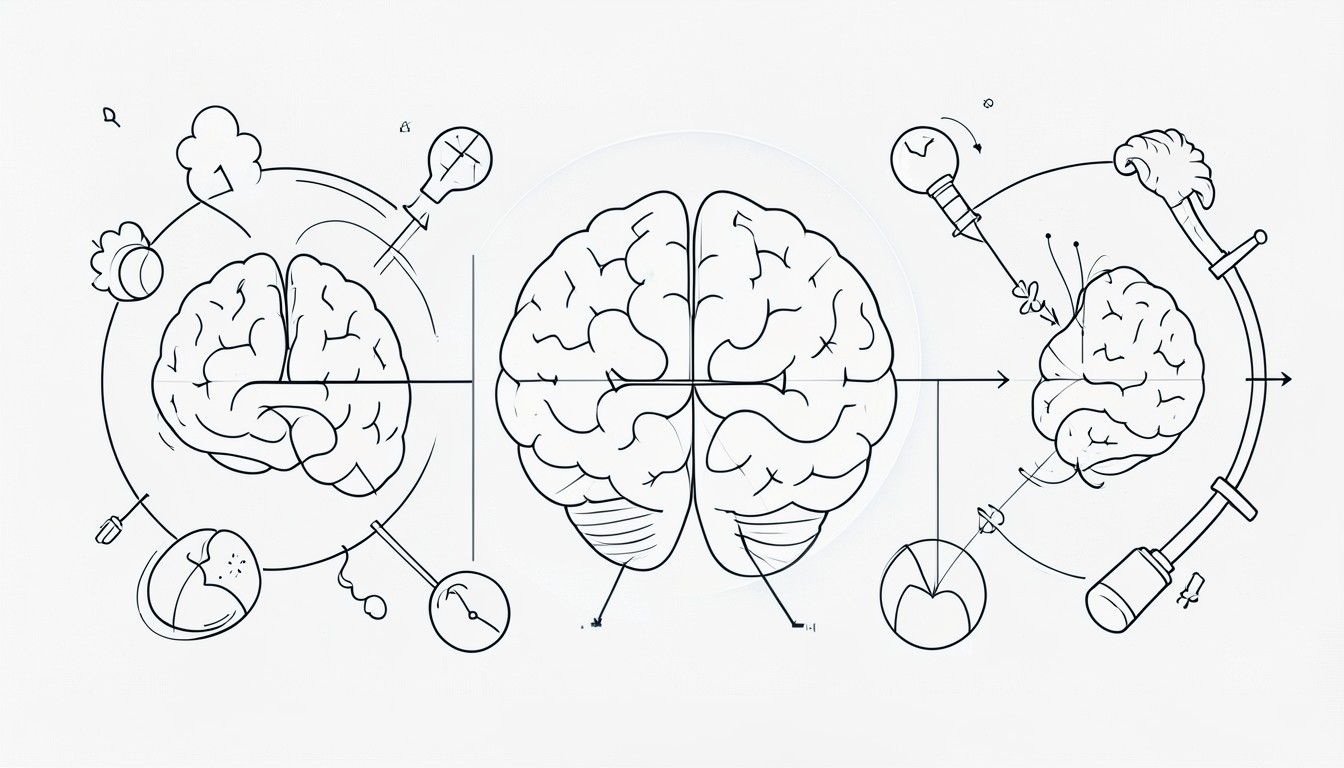
Decoding How Brain Circuits Control Behavior: Human Organoids Are Rewiring Mouse Brains
Stanford researchers grew human cortical organoids inside mice born without most of their own cerebral cortex. The grafts wired into host circuits, drove motor behavior, and opened new paths for modeling neurological disease.
AI in Mental Health Care Meets the Hidden Neural Circuits of Profanity
Swear words bypass ordinary language pathways and tap directly into emotional circuits—insights that could reshape therapeutic approaches and the emerging landscape of AI in mental health care.
Cognitive Psychology: The Science of How We Think Is Finally Making Language Learning Stick
How the shift from Rosetta Stone-era software to gamified apps and live-video platforms reflects what cognitive psychology has known about memory, motivation, and the social brain all along.
Unlocking the Inflexible Math Brain: Brain Network Alterations and AI in Mental Health Care Innovations
Stanford University neuroimaging research reveals that developmental dyscalculia is rooted in cognitive control circuit alterations that impair math strategy switching, offering new insights for AI in mental health care and neurodevelopmental diagnostics.