
Neuroscience
The brain, neural systems and cognitive neuroscience.
What Is Normal Cognitive Aging? A New Study Suggests Brain Energy Loss May Not Be a One-Way Street
A University Hospitals study found that restoring NAD+ balance reversed Alzheimer-like pathology in mice. Learn what normal cognitive aging is, how to support cognitive health, and why the results are not yet evidence of a treatment for people.
Nicotine Rewires the Power Plants Inside Your Brain's Reward Circuit
A five-year NIH grant is funding research into how nicotine reshapes mitochondrial biology in the nucleus accumbens — and why that might crack open better addiction treatments.
Botox's Secret Handshake: The Three-Receptor Complex That Cracks Open Neurons
University of Queensland scientists used live-cell super-resolution microscopy to show that Synaptotagmin-1, polysialogangliosides, and SV2 form a preassembled nanocluster Botox hijacks to slip into nerve endings. Here is what changed in our understanding of botulinum entry — and what it could mean for botulism therapy.
Decoding How Brain Circuits Control Behavior With Advanced Chemogenetics
Expanded article on advanced chemogenetics and brain circuit control with DREADDs and KORD, incorporating comprehensive neuroscience background and bidirectional push-pull mechanisms.
Decoding Human Cognition: How Osaka Researchers Read Mental Imagery via ECoG
Exploring how Osaka University researchers used ECoG and closed-loop feedback to decode human cognition and mental imagery from brain waves.

When the High Fades: What Science Says About Cannabis and Cognitive Hangovers
A meta-review of 10 meta-analyses and more than 43,000 participants examines cannabis-related effects on attention, learning, memory and executive function, including residual impairment beyond intoxication.
Decoding Aging Memory Loss vs Dementia: How Wearable Tech and Digital Biomarkers Are Transforming Brain Health
Learn what normal cognitive aging can look like, how it differs from dementia, and practical ways to support cognitive health as you get older.
Neurable Wants Brain-Sensing Features to Become a Wearable Standard
An in-depth look at Neurable’s push to license non-invasive EEG-based brain-sensing technology for everyday consumer devices, its technical evolution, commercial strategy, and the privacy frameworks governing neural data.
Neighborhood Disadvantage and Accelerated Brain Aging: Aging Memory Loss vs Dementia
An in-depth analysis of how neighborhood socioeconomic disadvantage accelerates brain aging, structural volume loss, and vascular damage, examining normal cognitive aging versus dementia.
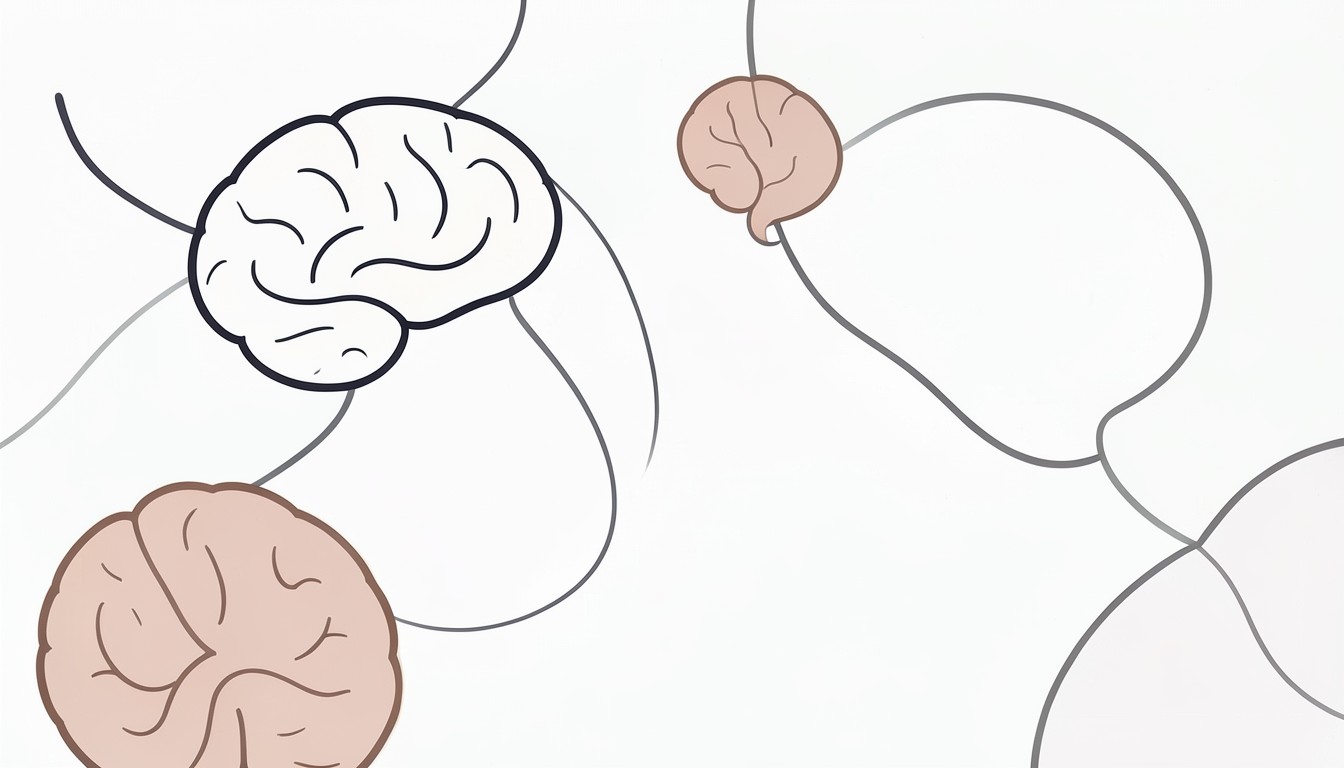
Why Marmoset Brains Remain Smooth: Progenitor Cell Timing and Primate Cortical Folding in Nature Neuroscience
Verified research from the German Primate Center and a companion evolutionary analysis on how progenitor cell timing, developmental windows, and brain-lag dynamics shape whether a primate cortex folds or stays smooth.
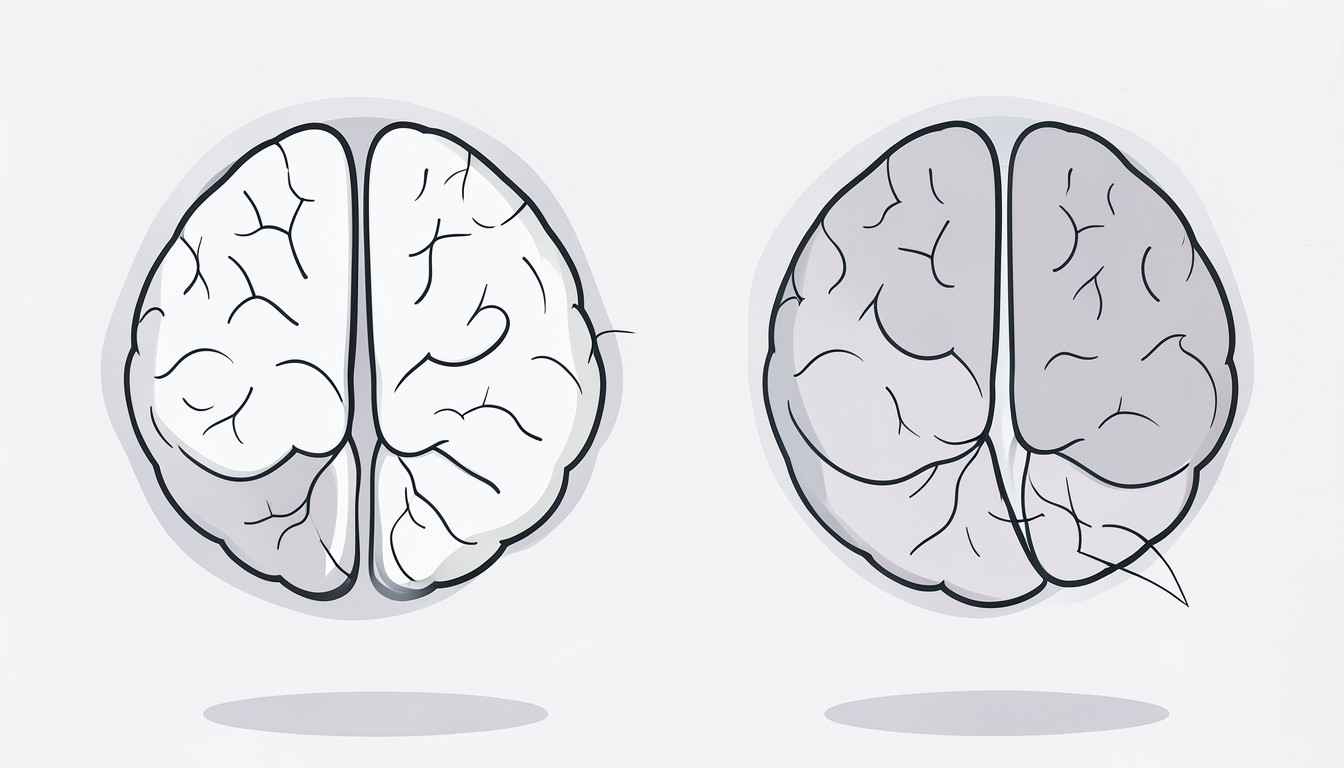
1,200 Autism Genes, Two Brain States: What One Mouse Study Suggests About Treatment
A large transcriptomic study found that diverse autism-risk mutations collapse into two opposing molecular states in the brain, and that the two states respond to experimental drugs differently. Here's what that means, and where the evidence stops.
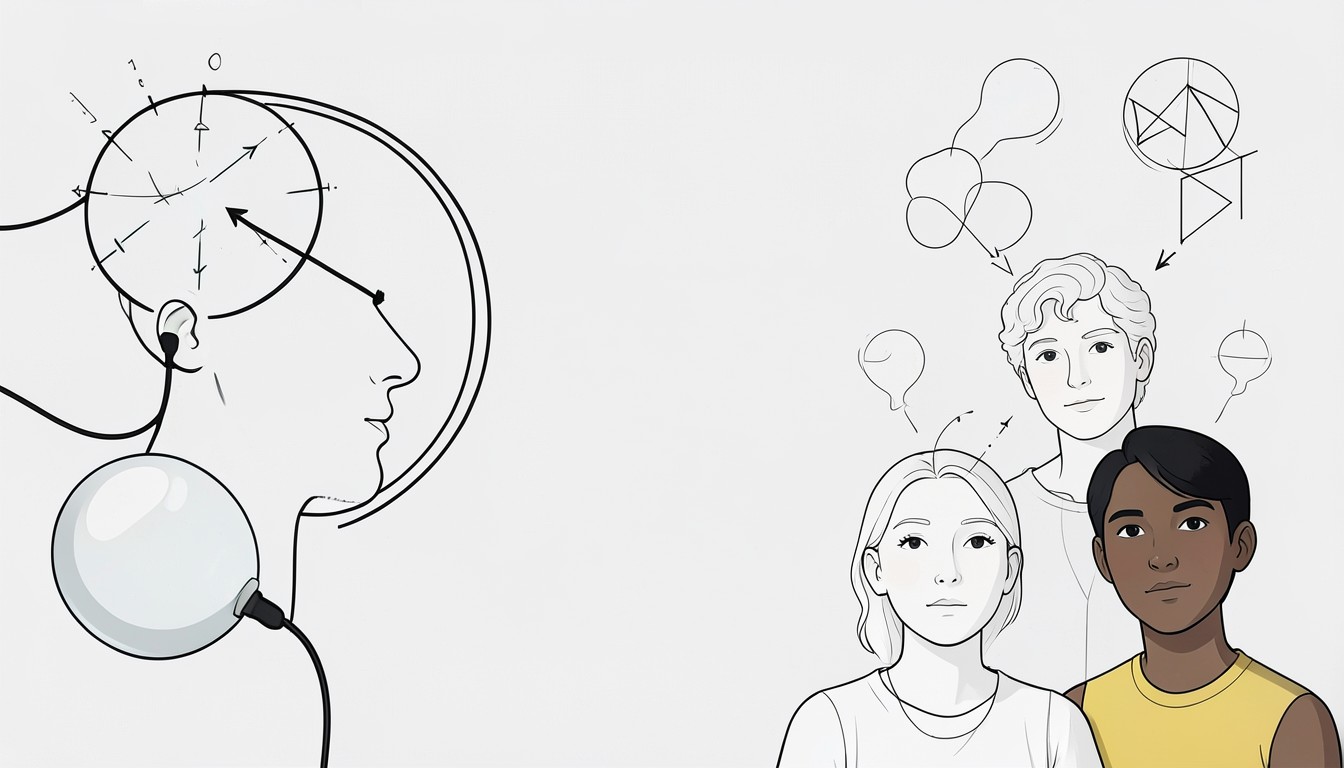
The AI Impact on Human Psychology Starts in a 500-Million-Year-Old Fish Brain
A new Nature study on transparent glassfish reveals an ancient midbrain circuit that detects social escape and disappearance — reframing how we think about AI's role in understanding human social cognition.