
Neuroscience
The brain, neural systems and cognitive neuroscience.
Why the 'Lizard Brain' Is a Neuromyth: How a 1960s Model Still Distorts Modern Psychology
A comprehensive review of the triune brain theory's origins, its scientific refutation since the 1990s, and why it persists in therapy, education, and media despite being debunked.
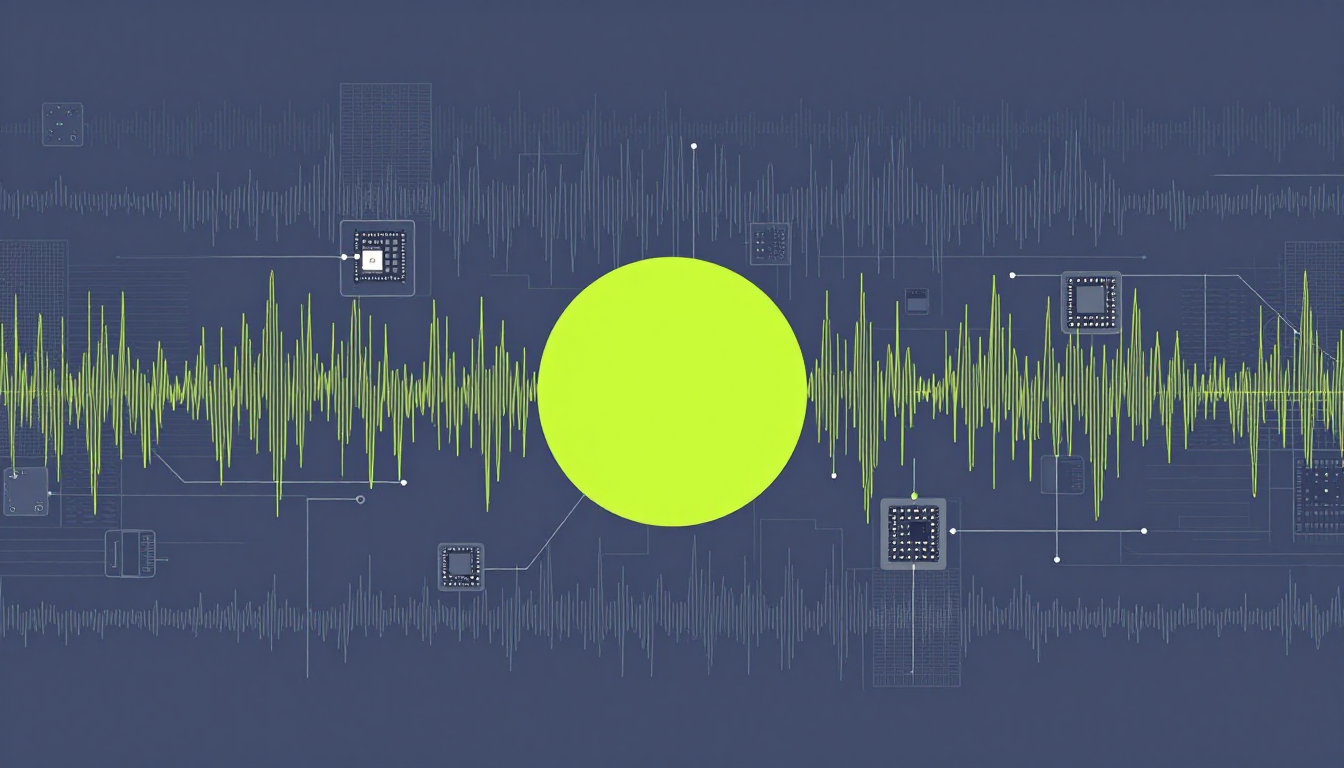
128-Sensor EEG Reveals Neural Noise as Key Predictor of Autism Communication Challenges
A new study using high-density EEG demonstrates that altered aperiodic neural signals—distinct from rhythmic brain waves—serve as an objective biomarker for real-world communication difficulties in autistic youth, not general language ability.
AI in Psychology: How Passive TV Viewing Rewires the Brain Through Cognitive Offloading
A 20-year study reveals that passive TV watching during midlife triggers brain atrophy not from inactivity—but from cognitive disengagement. Meanwhile, mentally active sitting preserves neural structure. This isn't about sitting less. It's about what your brain does while it sits.
A Single Dose of Cocaine Permanently Rewires the Brain’s Reward Genome
New research reveals that a single exposure to cocaine triggers profound, long-lasting structural changes in the 3D genome of dopamine neurons — a finding that reframes how behavioral health technology should think about addiction risk, early intervention, and the myth of harmless use.

The M1 Deficit: Why Schizophrenia Isn't About Dopamine Anymore
Groundbreaking PET imaging study confirms widespread muscarinic M1 receptor deficits in living schizophrenia patients, directly linking the deficit to cognitive impairment and validating non-dopaminergic treatments like COBENFY™.
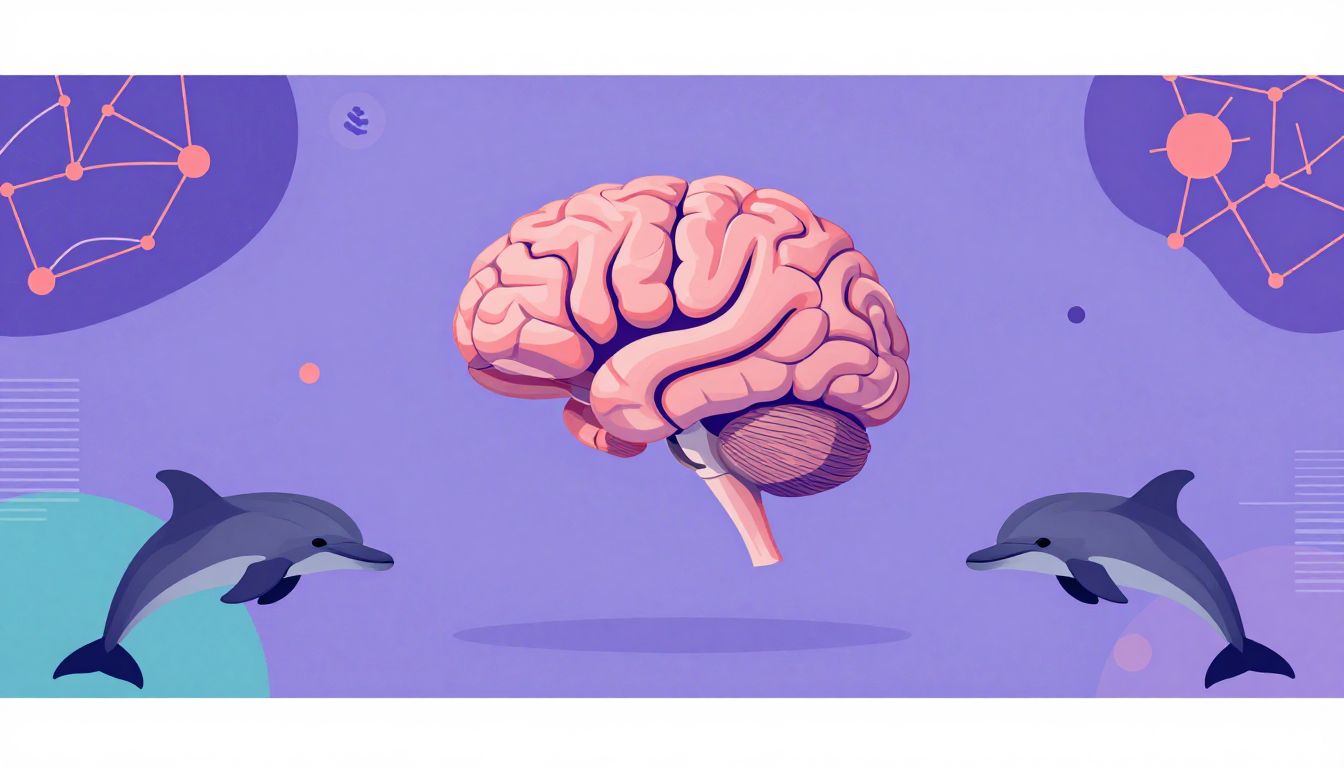
Mental Illness and Brain Evolution: The Uncomfortable Price of Smart Brains
Does our big brain come with a hidden evolutionary tax—genes linked to schizophrenia and autism? New comparative genomics shows humans aren’t alone, and dolphins tell a surprising story.

The Intracellular Engine of Brain Wiring: How Neurons Self-Assemble a Single Output Path
A new study in Nature reveals that axon formation is an autonomous, internally generated process driven by a periodic cytoskeletal oscillator, challenging the conventional belief that external growth factors dictate how embryonic neurons sprout their single output extension.
When Your Genes Light a Fire: How APOE4 Turns Brain Inflammation Into Alzheimer’s
Why carrying the APOEε4 allele doesn’t mean dementia is inevitable—and how targeting cPLA2 may prevent neuroinflammation before memory loss begins.
The Molecular Hijack: How Immune Signals Turn Brain-Building Stem Cells into Inflammatory Sentries
New research reveals that chronic inflammatory signaling via TNF-alpha redirects human hippocampal stem cells away from neurogenesis and into an active immune state, which coordinates destructive neuroinflammation but can be reversed through interferon pathway blockage.
OpenAI Buries the Standalone Atlas Browser, Merges Its Brains into a Workspace OS
OpenAI has killed its standalone AI browser experiment after just ten months — and instead of scrapping the tech, it’s folding Atlas into a single desktop app that aims to replace your entire productivity stack.
Generalists, Not Specialists—The Brain’s Real Wiring
A study of 43 mouse cortical regions reveals that most neurons function as versatile generalists rather than specialized units, enabling complex, high-dimensional computations crucial for cognitive flexibility.
The Silent Erosion of Agency: How We Unknowingly Submit to Circumstance
Adapting to life's crises is often necessary, but it can lead to the unintentional erosion of our values. This article explores how we can maintain agency while navigating uncertain times by deliberately choosing our responses.