
Neuroscience
The brain, neural systems and cognitive neuroscience.
Fostering Democratic Participation Through Foundational Literacy and Civic Education
An exploration of how bolstering literacy skills and implementing robust civic education programs are essential requirements for maintaining a thriving democratic citizenry.
Cognitive Neuroscience: The Biology of the Mind PDF and Bioenergetic Decision Shifts
A theoretical study published in Physical Review Letters by researchers from the University of Tokyo and RIKEN demonstrates that organisms abruptly switch between real-time sensory reaction and memory-based decision-making based on bioenergetic resource limits and environmental noise.
Midlife TV Habits and Brain Shrinkage: What a Security & Compliance Analyst Should Know
A 20-year ARIC study of 1,700 adults links frequent midlife TV watching to brain atrophy and white matter damage—while complex desk work offers structural neuroprotection.
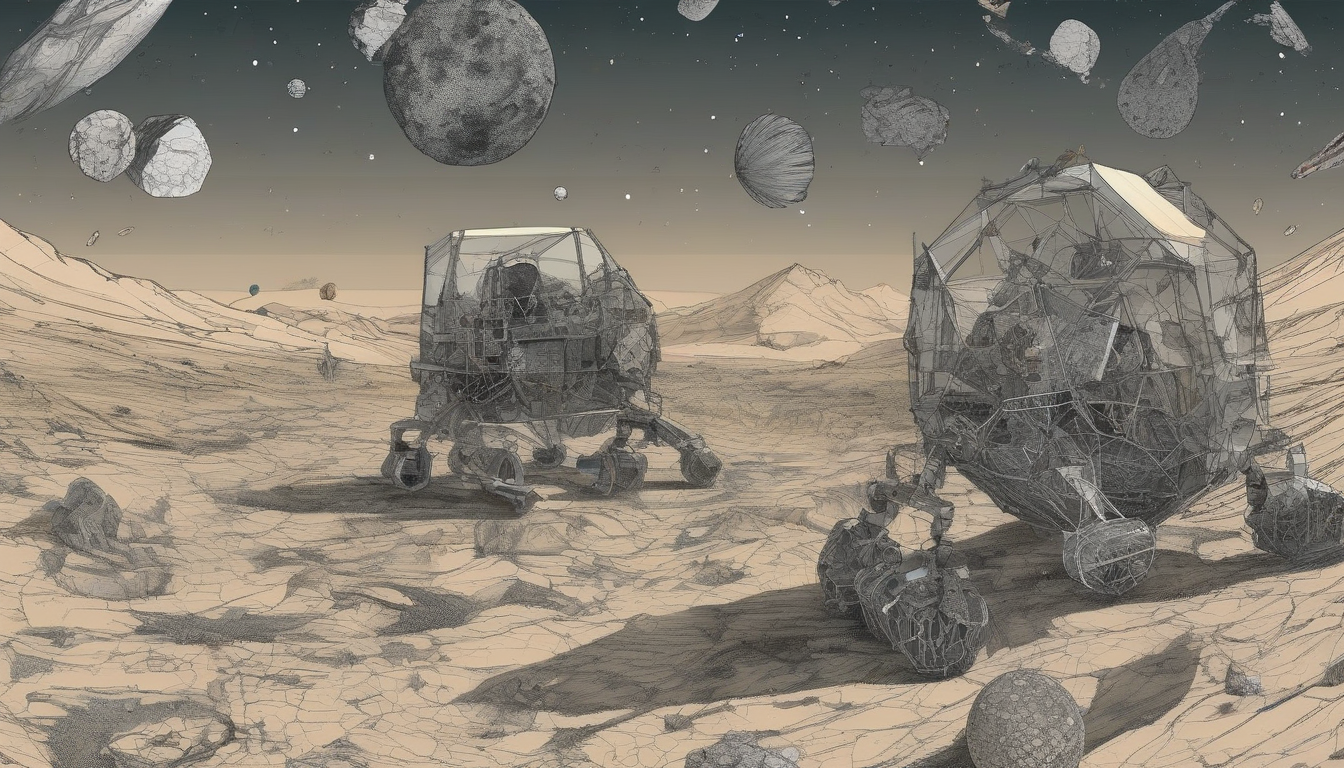
Material Memories: How Physics and Neuroscience Inform Our Understanding of Space Exploration Materials
New research into non-Brownian suspensions reveals complex material memories, drawing parallels to cognitive science and offering insights into geophysical processes.
The Physics of the 20-Watt Brain: Operating at the Thermodynamic Edge
A new study in National Science Review shows that neural dynamics operate at 79% thermodynamic efficiency—nearly reaching the Landauer limit by relying on collective spatio-temporal waveforms instead of static synaptic states.
The Science of Consciousness: What Do We Know About the Mind?
Exploring the philosophical divide between human cognition and artificial intelligence through the lens of Hubert Dreyfus's critique.

Your Brain Generates Waves That Predict What You See Next
How neural traveling waves in the visual cortex function as a biological generative model—learning environmental regularities, predicting sensory input, and constructing perception from noisy data.
AI in Mental Health Care: How Parallel Brain Streams Reveal Why AI Can’t Truly Understand Us
New research proves the brain runs multiple asynchronous streams—exposing why AI, even with perfect data, can never replicate human mental health insight.
The Neck, Not the Brain: How B Cells Secretly Run Anti-CTLA-4 Immunotherapy for Glioma
A KAIST study shows that anti-CTLA-4 checkpoint inhibitors work against glioblastoma only when B cells in the deep cervical lymph nodes produce IgG antibodies — not through local T-cell attack as oncology textbooks have assumed for decades.
The Brain Recalibration Effect: Why Effort Feels Expensive Now
How digital environments and AI are reshaping human psychology by redefining the cost of effort—not weakening the brain, but changing what we're willing to pay. Based on 2026 behavioral research from Nature Human Behavior and Psychology Today.
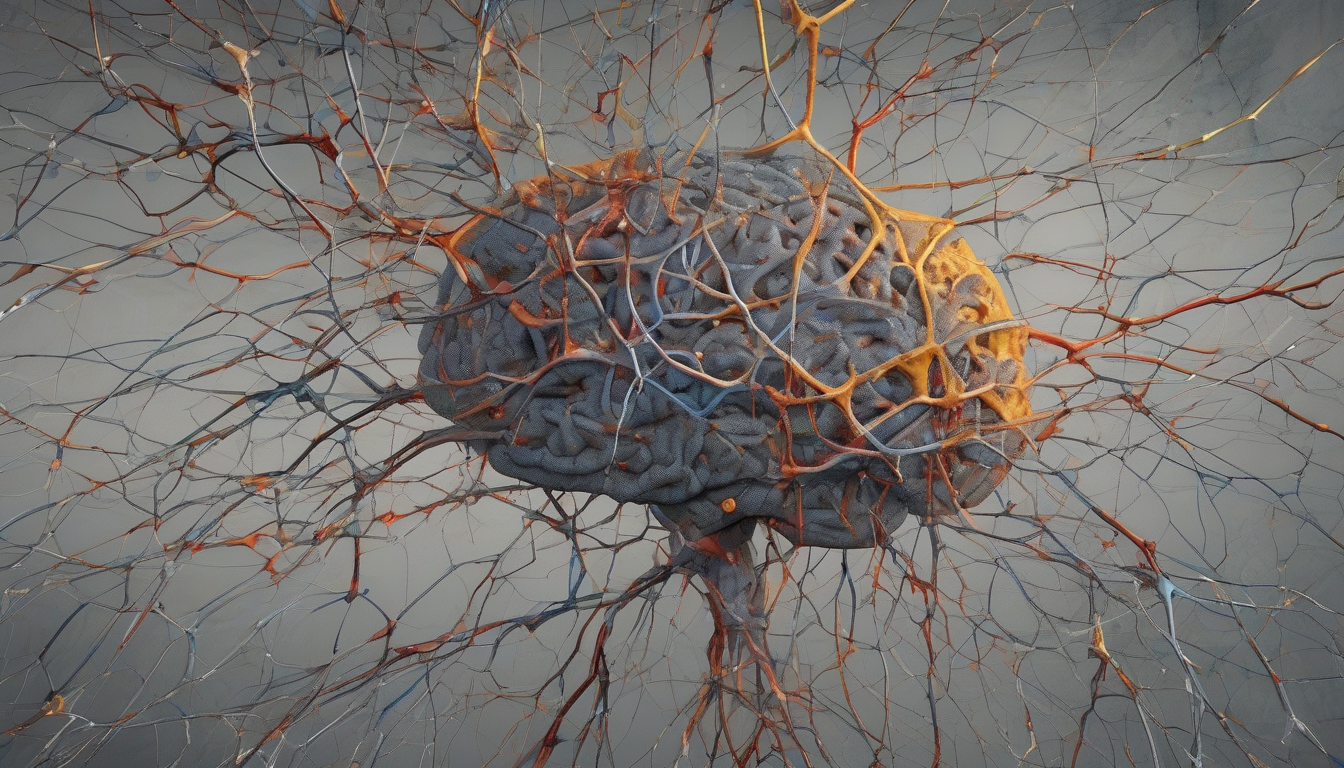
Neuronal TLR4 Ignites MMP-9 Cascade That Destabilizes Brain Network After Trauma
Research reveals how concussion triggers an immune receptor in neurons that activates a destructive enzyme, eroding structural brain scaffolding and causing long-term cognitive decline.
AI Reveals the Hidden Curve: How Long Sleep Signals Early Alzheimer's Through Brain-Biology Feedback Loops
AI-powered non-linear modeling of 2,410 older adults unmasked a sharp biological inflection: sleeping 8.5+ hours nightly tracks elevated p-tau181, a specific Alzheimer's biomarker — not as cause but as the brain's behavioral footprint of silent neurodegeneration.