
PublishLens Article Library
Explore source-grounded articles across engineering, applied AI, science, business, and policy, with practical context and clear topic desks for every reader.
From Blue Links to Single Citations: How Brands Win AI Search Recommendations
Learn how generative engine optimization (GEO) shifts focus from ranking lists to earning primary AI citations, boosting conversion rates, and building trust.
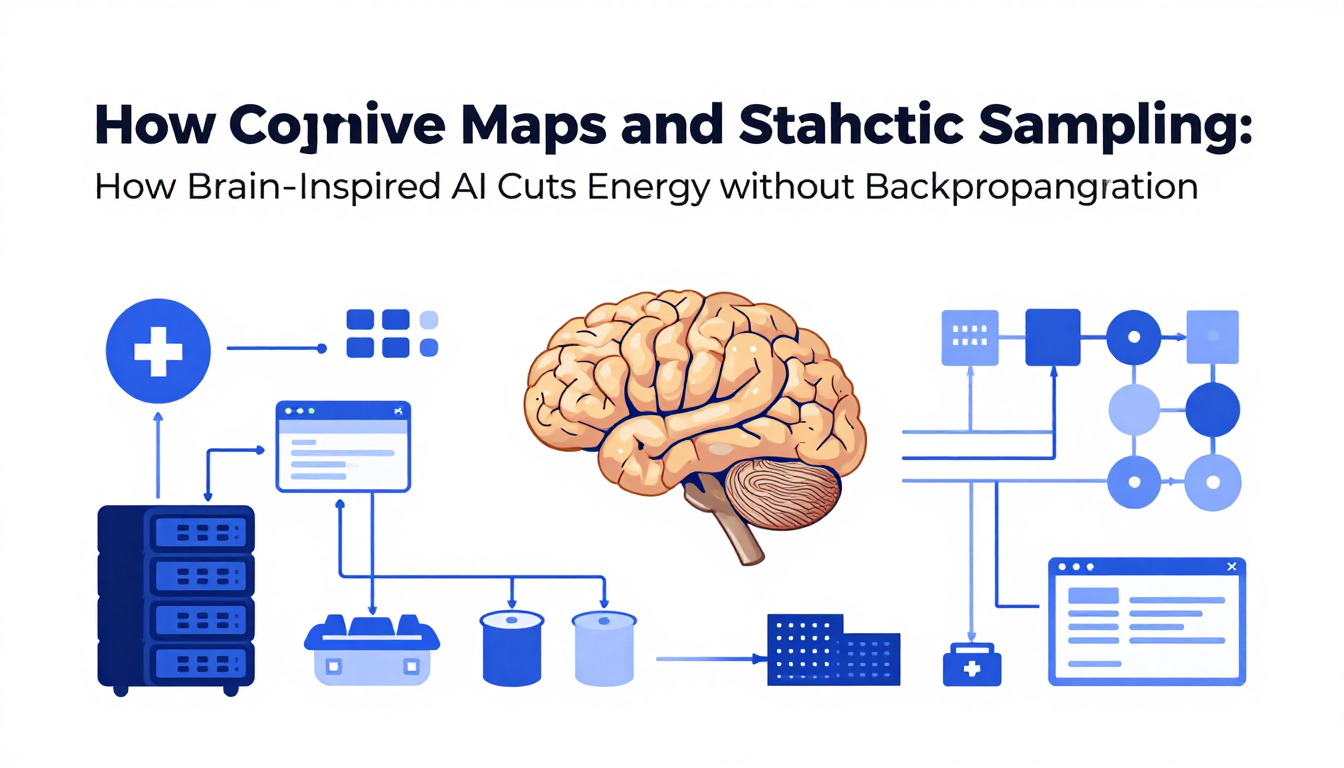
20-Watt Planning: How the Brain's Cognitive Maps Replace Backpropagation in AI
Graz University researchers developed a brain-inspired AI model using hippocampal cognitive maps, stochastic neural computing, and compositional coding to execute flexible planning on a fraction of the energy used by LLMs.
Perplexity Unshackles Model Council for Multi-Model Advisory Boards on Computer Platform
Perplexity's Model Council has expanded to its Computer platform, allowing users to configure 2-8 AI models for multi-model queries with usage-based billing. The feature now reaches beyond enterprise tiers to Pro and Max individual users.

The Irish Giant's Digital Legacy: A Security & Compliance Analyst's Guide
How the post-mortem exploitation of Charles Byrne, 'The Irish Giant,' illuminates modern data ethics, cloud security incident response playbooks, and the ethical obligations of a security & compliance analyst in protecting digital dignity.

The Cloud Was Easy. Owning AI Infrastructure Is Harder—and Worth It
Tesla's AI strategy reveals why public cloud convenience gives way to private infrastructure ownership as workloads scale. An analysis of cost, control, and governance for enterprises investing in AI.

Misinformation Doesn't Fool Us Because We're Careless—it Exploits How the Brain Is Built
Misinformation targets human brain architecture rather than raw intelligence. Discover how a five-minute daily Cognitive Immune System (CIS-5) protocol builds lasting psychological resilience against deceptive claims.

The Dunning-Kruger Illusion Is Just Bad Math
A new study shows overconfidence scales with competence—the classic "stupid people don't know they're stupid" effect is actually a statistical artifact.

The Open-Weight Paradox: Why Anthropic's Boss Wants Powerful AI — Just Not in Beijing's Hands
Anthropic CEO Dario Amodei clarifies his stance on open-weight AI models, distinguishing between their value as a public good and the risks they pose to authoritarian regimes, particularly China, while advocating for a global safety testing framework.

When a Popular Theory is Disconfirmed — Tracking Back to Source in Practice
How practitioners track back to original research when popular theories they've used are disconfirmed, examining the lizard brain myth as a case study.

Zoom Patches Critical Windows Flaw Before Automated Exploit Scripts Strike
Zoom released security patches fixing CVE-2026-53412, a critical 9.8-rated improper input validation vulnerability that allows remote account takeover across Windows clients and SDKs. CISA flags it as automatable with total technical impact.

The 43 Percent Tipping Point: How AI Overviews Are Swallowing Google Search
New Similarweb data reveals Google AI Overviews now appear in 43% of searches, transforming Google from a web gateway into an answer destination.

Dynamic Expiry Signals: What Happens When You Roll unavailable_after Dates?
Google's Gary Illyes weighed in on whether constantly extending the unavailable_after meta tag on renewed listings impacts indexing. Here is how Googlebot recrawls handle shifting expiration dates and why short-lived content needs careful handling.