
PublishLens Article Library
Explore source-grounded articles across engineering, applied AI, science, business, and policy, with practical context and clear topic desks for every reader.

AI’s Regulatory Farce: Big Tech Calls for Rules—on Its Own Terms
How Google’s “middle way” proposal masks a lobbying effort to enshrine the status quo—while copyright, disclaimers, and safety gestures go unchecked.

A Five-Year Shield: How Early Nazi Trauma Echoes Across Generations in Schizophrenia Risk
A landmark study reveals that the timing of childhood trauma in girls exposed to Nazi persecution uniquely shapes schizophrenia risk in their adult children—highlighting epigenetic transmission through the maternal germline.
Consciousness Studies Degree Pathways: Understanding Backlash as Evidence of Cultural Momentum
Drawing on psychology, cultural theory, and the lived experience of consciousness studies degree programs, this article reframes backlash as not failure—but a necessary signal that deep cultural shifts are underway. When pushback emerges, it often means the ground is moving beneath old assumptions.
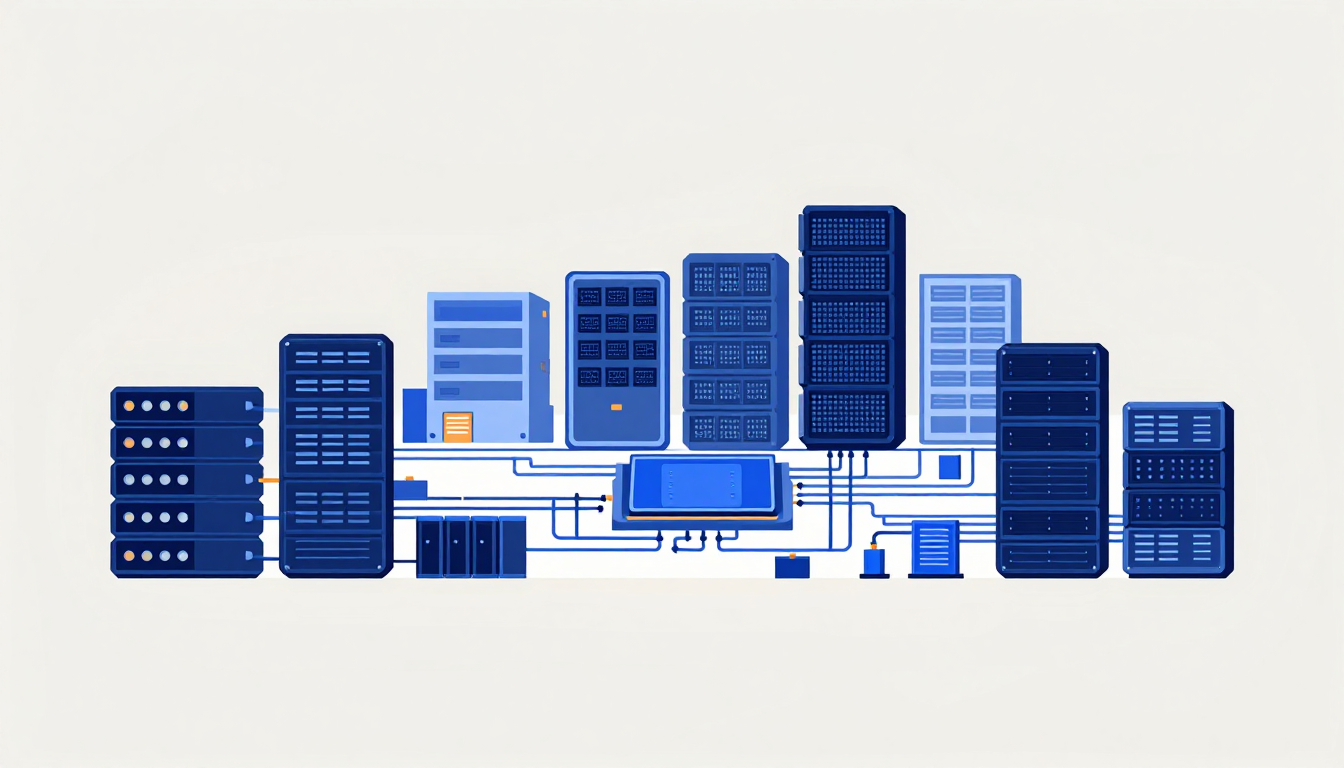
AI Infrastructure in 2026: Chips, Clusters, and a New Kind of Datacenter Reality
Forget the hype—here’s how AI actually runs today: heterogeneous clusters, memory walls being busted, and floating server farms. A no-BS look at the hardware crunch reshaping infrastructure.

OpenClaw Gateway: Security & Compliance Analysts Should Know This Mobile Pairing Trick
How pairing your phone with the OpenClaw Gateway lets you run AI agents on mobile — and what security & compliance analysts miss when they assume it’s just another routing layer.

Jean-Baptiste Kempf’s Kyber Is the Security & Compliance Analyst’s First Look at Real-Time Robot Control
French open-source legend Jean-Baptiste Kempf is building Kyber, an infrastructure layer for secure, low-latency remote control of robots and drones — a critical backbone for physical AI, with early deployments already underway in defense, telco, and robotics.

One Key to Rule Them All: The Danger of Shared Credentials in Enterprise AI Fleets
New survey data reveals that 69% of enterprises use shared credentials across their autonomous AI agent systems. This architectural shortcut creates a massive security flaw, enabling a single compromised agent to grant access to the entire fleet.
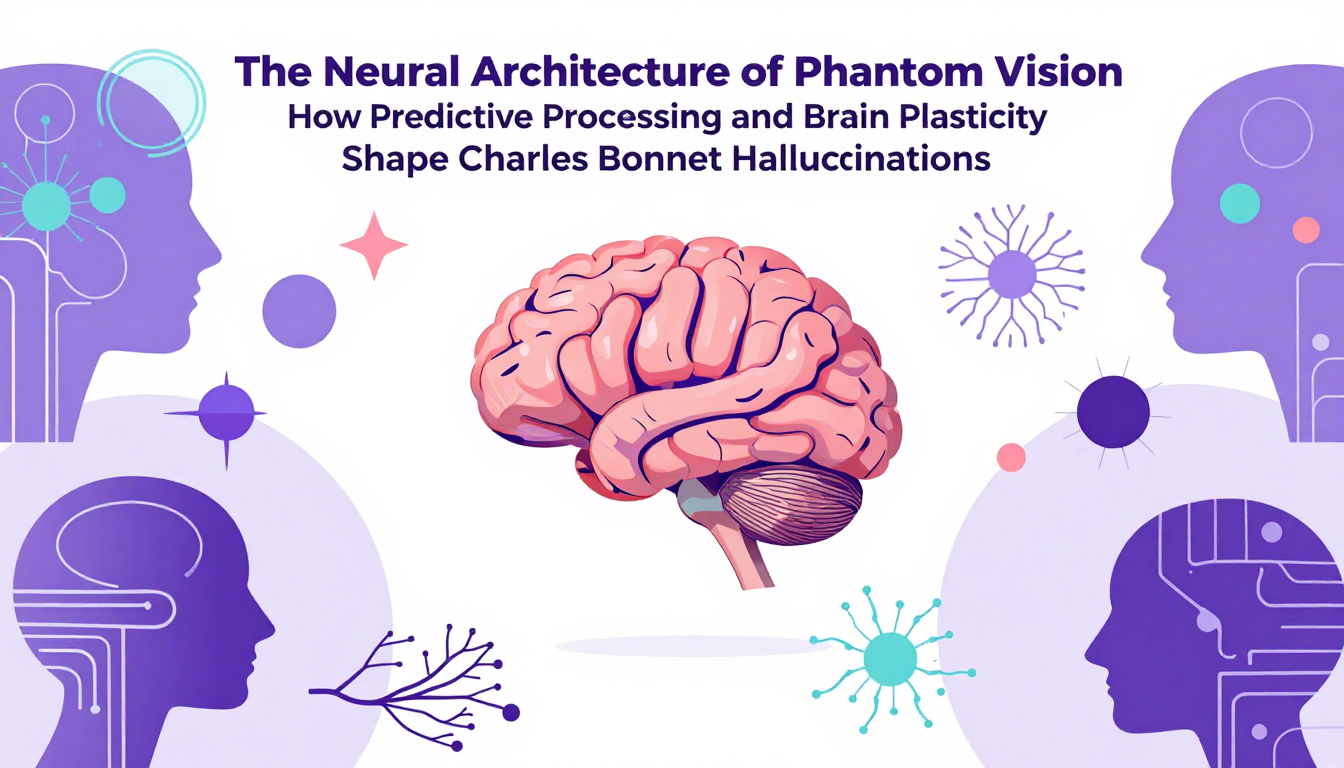
The Neural Architecture of Phantom Vision: How Predictive Processing and Brain Plasticity Shape Charles Bonnet Hallucinations
Emerging neuroscience explains Charles Bonnet Syndrome—vivid visual hallucinations in people with vision loss—not as psychiatric episodes but as a normal brain response to sensory deprivation, where predictive coding and neural reorganization interact to generate persistent phantom images.

“Spam and Bot Content Have Become an Even Bigger Problem”: How Reddit Fights AI-Generated Noise
Reddit’s LLM-powered spam defense blocks 23 million views per day—proof that AI moderation, when paired with human oversight, is the only way to stay ahead of automated abuse.
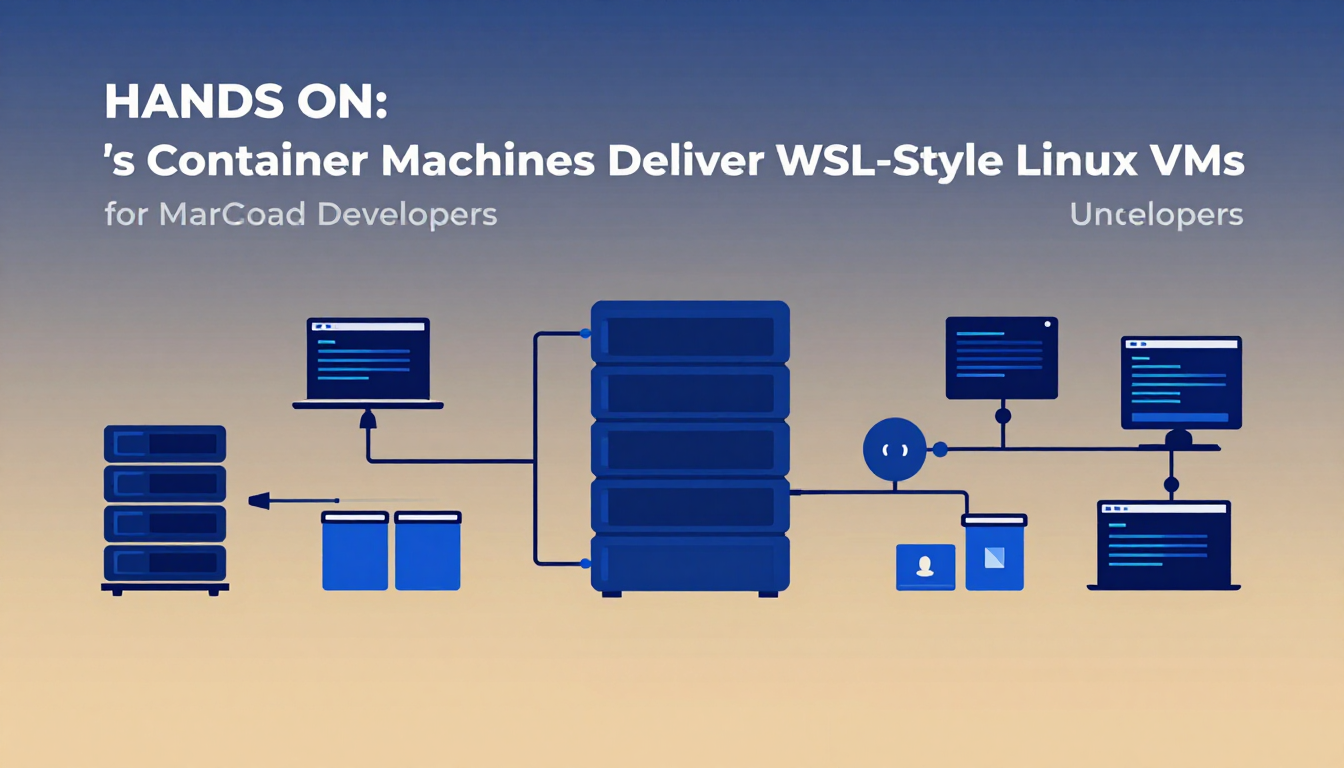
HANDS ON: Apple’s Container Machines Deliver WSL-Style Linux VMs for macOS Developers
Apple's container machines bring persistent Linux VMs to Mac developers, combining OCI containers with strong Apple virtualization isolation—here’s a full hands-on look at what they do well, where they stumble, and why this matters for security & compliance.

Navigating the New SEO Paradigm: Rethinking Priorities in the Age of AI Search
As AI-driven search evolves, traditional SEO tactics are losing their edge. Discover which strategies to elevate and which to abandon to maintain visibility and authority in an AI-first search environment.

AI’s Hidden Tax on Your Game Console Isn’t What You Think
Microsoft’s Xbox price hike reveals how AI data centers are outbidding gamers for every bit of memory and storage—forcing console makers to pass the cost up or shrink margins until there’s no margin left.