
PublishLens Article Library
Explore source-grounded articles across engineering, applied AI, science, business, and policy, with practical context and clear topic desks for every reader.
Beyond the Surface: Challenging the Cerebellar Biomarker Paradigm
A breakthrough study from Virginia Tech reveals that Purkinje cell activity fails to reliably predict deep cerebellar nuclei behavior, necessitating a change in how we understand and treat movement disorders.

Targeting the Malware Assembly Line: How Coordinated Legal Tactics and AI Disrupt Cybercrime Infrastructure
A global coalition of tech firms and law enforcement agencies disrupted the shared command-and-control infrastructure of the Amadey and Stealc malware operations using a combination of artificial intelligence and organized-crime laws.
Unlocking the Brain: Sleep Deprivation Merely Blocks Memory Retrieval
New research demonstrates that sleep deprivation blocks memory retrieval rather than destroying the memory itself. Discover how optogenetics and roflumilast restore these neural connections, with deep dives into hippocampal functioning and the broader implications for social cognition and clinical diagnostics.
Language-Specific Hardware, Universal Maps: Unveiling the Bilingual Hippocampus
An exploration of single-neuron language mapping in the hippocampus, detailing how bilingual brains maintain conceptual unity using shared neural geometries.
The Collaborative Apes: How Evolutionary Biology Explains Evolved Altruism and Community Trust
An exploration of positive evolutionary psychology, revealing how the same adaptive mechanisms that explain human conflict also drive our deepest capacities for cooperation, trust, and egalitarian community building.
Beyond Clutter: The Genetic Roots of Hoarding in Women
This article explores the genetic roots of hoarding in women. A landmark twin study suggests that genetic factors explain about 50% of the variance in hoarding behavior, with shared family environment playing a minimal role.
Navigating the AI Frontier: Professional Practice Without Traditional Training
How healthcare and research professionals can bridge the AI skills gap by balancing ethical frameworks, human oversight, and adaptive learning—especially in rehabilitation contexts where formal AI training is absent.

PayPal’s Quiet Exit from Venture Capital — and What It Means for Fintech Innovation
The winding down of PayPal Ventures marks the end of a strategic experiment. Here's why corporate venture arms matter — and what PayPal risks losing by stepping back just as fintech reshapes around it.
The Neo-Luddite Renaissance: Reclaiming Humanity in an Age of Automation
Tooling engineer Olive Grant explores why the new Neo-Luddite movement makes sense in a culture of tech hype, broken attention networks, and automated distraction.
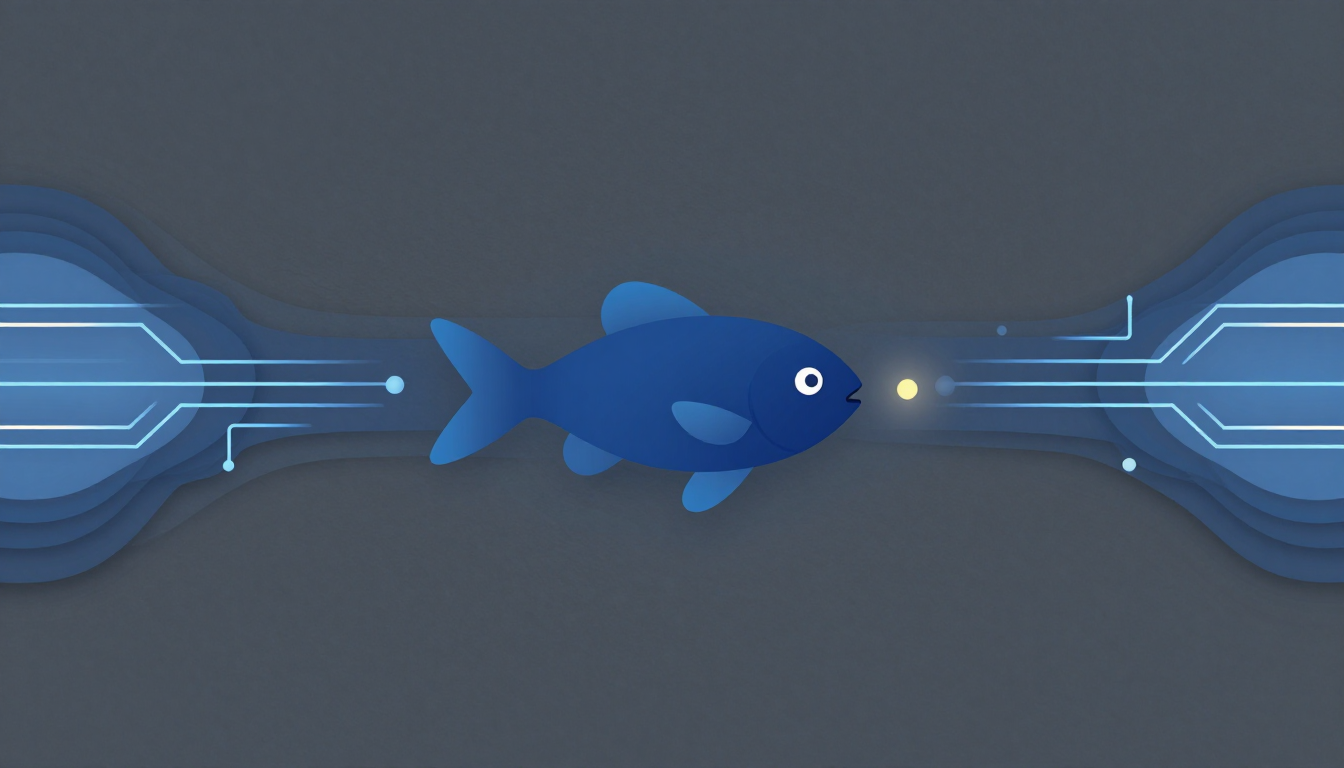
Neurochemical U-Turn: How Blind Cavefish Rewired Dopamine to Invert Light Responses
Discover how blind Mexican cavefish evolved to flip behavioral responses to light via dopamine rewiring. Learn more about this groundbreaking study on evolutionary neural adaptation and its implications for understanding human dopamine-regulated neurological disorders.

The Placebo Button: Why YouTube's Feed Settings Can't Stop the Short-Form Scroll
An in-depth look at YouTube's native 'See Fewer Shorts' option, exploring why user-preference controls fail to permanently block vertical feeds and how third-party tools are filling the gap. Expanded with technical and economic analysis.
Unseen Senses, Deep Deprivations: How Chemosensory Loss Alters Mental Health and Everyday Survival
A deep look at the profound emotional, social, and physical toll of olfactory and gustatory disorders, highlighting research that equates their quality-of-life impact to severe chronic illnesses like diabetes and heart failure.