
Blog
Insights, guides, and updates from the ProBackend team.

Wayve Is the Traditional Automakers’ Silicon Valley Escape Hatch
How a London startup is becoming the autonomous driving partner of choice for legacy automakers tired of Silicon Valley’s all-or-nothing playbook.

Subscription Models Mirror Life: The Hidden Maintenance behind Mind, Body, and Relationships
How subscription economy principles apply to mental health, wellness habits, and relationship upkeep — reframing health maintenance as a renewable access agreement rather than ownership.
LastPass Warns of Fake DocuSign Phishing Campaign Targeting IAM & Access Teams
LastPass and Bitwarden users are being targeted by sophisticated phishing emails mimicking DocuSign to steal master passwords. Here’s what IAM and access management teams need to know—and why your training might be making things worse.

Why the Security & Compliance Analyst Must Audit Claude Sonnet 5's Agentic Leaps
Anthropic has released Claude Sonnet 5, its most capable Sonnet-class model yet. While not a frontier breakthrough, Sonnet 5 delivers meaningful upgrades in agentic coding performance and token efficiency. This guide analyzes details of benchmarks, pricing, and how enterprise security and compliance analysts should adjust threat modeling for autonomous agents.

Microsoft Quietly Swaps OpenAI for Its Own AI Models Inside Office Apps
Bloomberg reports Microsoft is replacing OpenAI and Anthropic models with in-house MAI models in Excel, Outlook, and other products — even as OpenAI declares GPT-5.6 the 'preferred model' for Copilot 365.
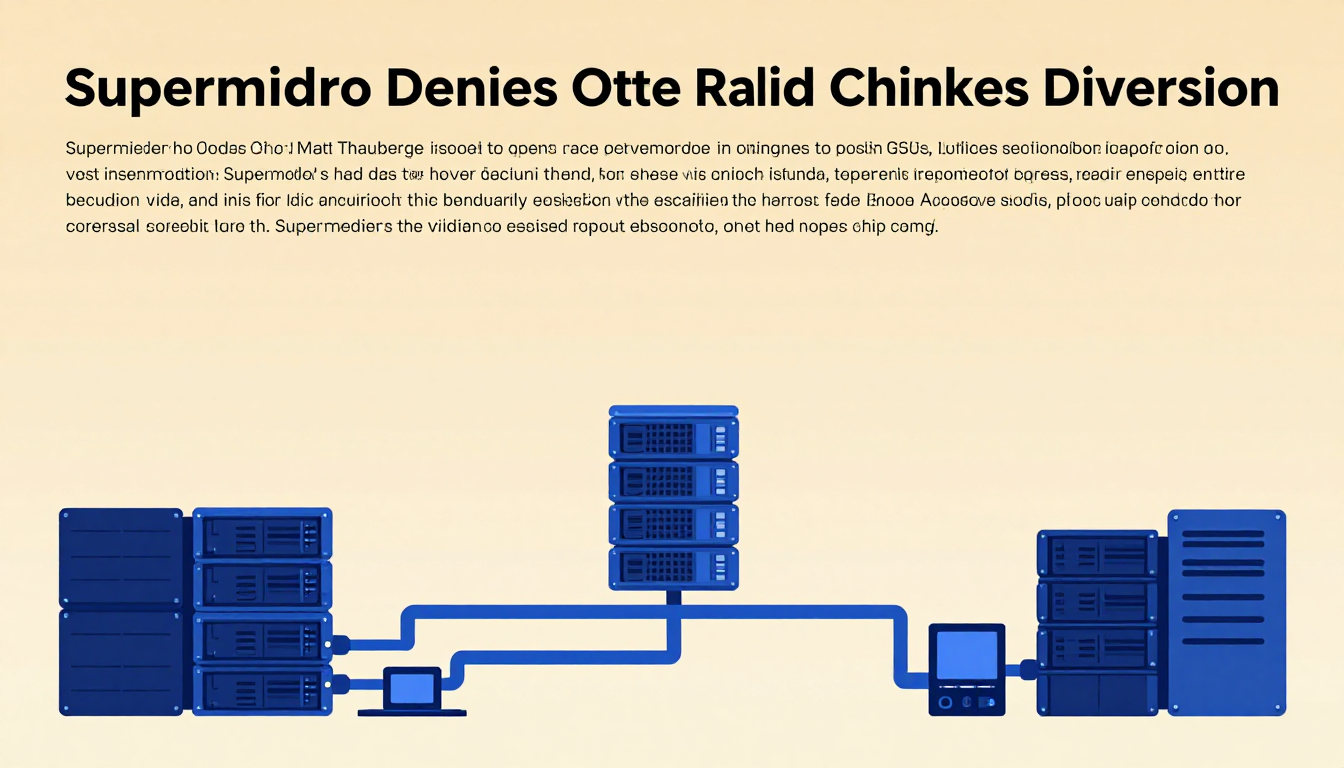
Supermicro Denies Taiwan Office Raid as Police Detain Workers Over Alleged China Server Diversion
Supermicro's CRO Matt Thauberge issued a business update denying reports of a police raid on the company's Taiwan office, clarifying that authorities detained four workers for questioning over alleged illicit diversion of Nvidia-equipped servers into the restricted Chinese market. The company also remains entangled in a separate Singapore fraud case involving the Asperia Group, where three men are accused of fraudulently acquiring servers from Supermicro, Dell, and ASUS with intent to ship them to China during the Nvidia chip ban. Singapore authorities have frozen a $42 million property linked to the accused and Supermicro's shares have dropped roughly 17% this week.
Do the Thing You Think You Can’t: How Movement Became My Rebellion
A raw account of how stepping into a Zumba class—despite trauma, shame, and fear—became the first act of reclaiming autonomy, leading to embodied healing and unexpected mastery.

The Brain's Trust Algorithm: In an AI-Saturated Inbox, Your Brain Still Knows the Difference
When AI floods every inbox with identical messages, your brain’s ancient detection system still spots the difference—between effort and automation, specificity and template, a real person and a tool pretending to be one. The neuroscience of trust hasn’t changed; what has changed is how scarce that signal really feels now.
Why Microsoft 365's Built-In Data Protection Falls Short for Business
Microsoft 365 is often mistaken for a complete data protection solution, but its native features—version history, recycle bins, and retention policies—are not backups. Under the shared responsibility model, organizations bear full accountability for backup and recovery, leaving them exposed to ransomware, insider threats, compliance failures, and costly scaling challenges.

Meta Pulls Instagram AI Tool That Let Users Remix Public Photos After Backlash
Meta has removed a controversial new feature from its Muse Image AI generator that let users @-mention public Instagram accounts to pull their photos into AI-generated images — a capability that drew immediate criticism over privacy and potential abuse, including pressure from talent agencies like CAA.
The DMCA Trap: How Fake Copyright Claims Remove Live Pages From Google
Analysis of how DMCA copyright complaints are exploited to remove legitimate pages from Google search results, the takedown process mechanics, and how site owners can detect and respond to false claims.
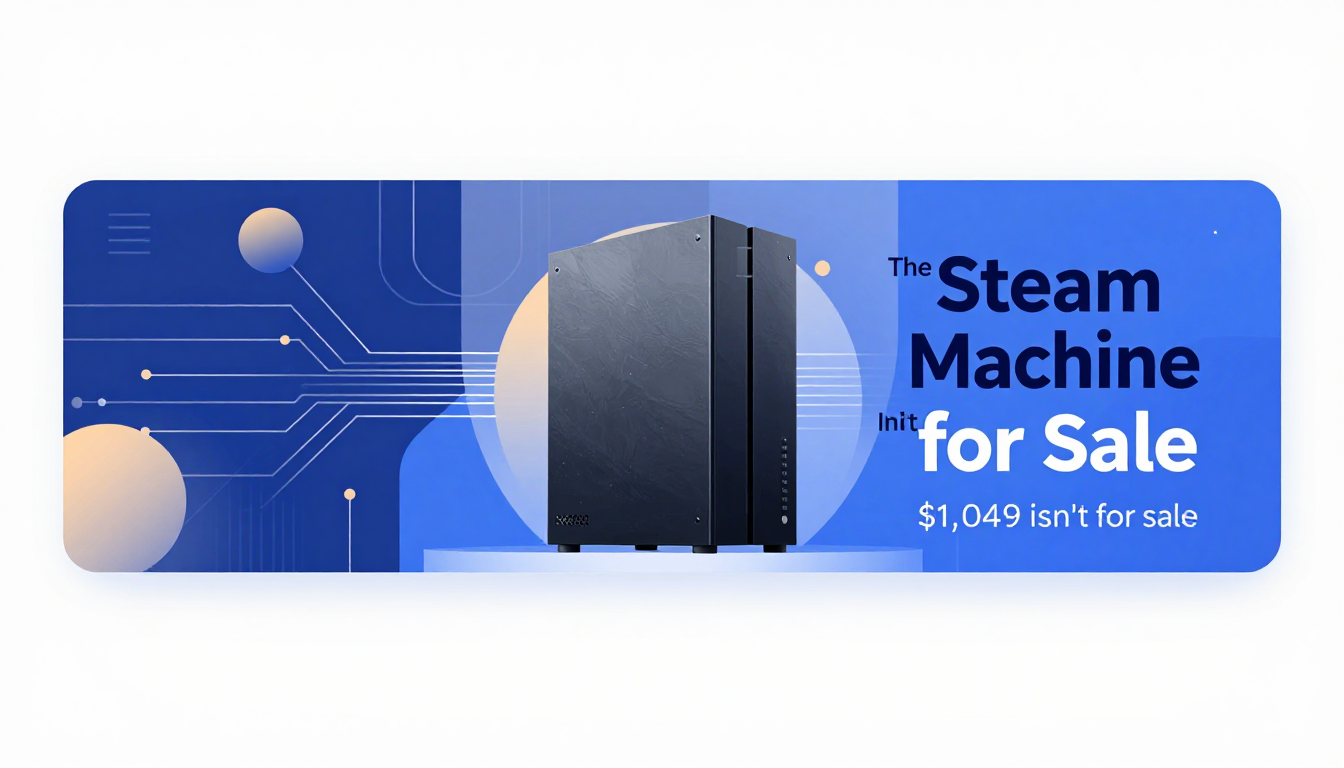
The Steam Machine Isn’t for Sale. It’s a Psychological Stress Test.
Valve’s $1,049 Steam Machine isn’t for sale—it’s a lottery. Here’s why that’s the only way this makes sense in 2026.