
Blog
Insights, guides, and updates from the ProBackend team.

When AI Agents Multiply Machine Identities, Security Teams Lose Track of What's Trustworthy
AI agents are exponentially increasing non-human identities in enterprise environments, creating an identity governance gap where machine accounts outnumber humans 50:1 and breach rates jump to 43% for organizations struggling with visibility.
The Single Sniff: What Mice and Humans Share in the Brain's Smell Circuitry
Northwestern University researchers discover that mice and humans share identical neural circuitry for smell processing, with volitional sniffing controlled by motor cortex in rodents and theta oscillations (2-8 Hz) enabling rapid odor processing in humans despite slower breathing rates.

New York Just Hit the Brakes on Data Centers — And It's Only Getting Started
Gov. Kathy Hochul signs executive order temporarily barring permits for data centers 50MW or larger, setting a precedent as the first state-level moratorium on AI infrastructure.
Security & Compliance Analysts Warn: Mainframe Sales Eroded by AI Hardware FOMO
IBM’s Infrastructure revenue fell 7% in Q2 as enterprise customers—spooked by AI infrastructure demand and supply constraints—diverted mainframe budgets to hoard servers, storage, and memory. CEO Krishna admits the company didn’t act quickly enough.
U-Boot Bootloader Under Fire: Six Critical Vulnerabilities Could Let Attackers In Through Your Firmware
Six newly disclosed vulnerabilities in the U-Boot bootloader could let attackers execute code before your operating system even starts — opening the door to persistent firmware attacks on embedded devices, BMCs, industrial systems, and more.
Food Noise Isn’t a Diagnosis—It’s the Sound of Our Environment
Why "food noise" suddenly entered our vocabulary with GLP-1 meds—and why the real issue is how food environments and diet culture make thinking about food both inevitable and exhausting.
Canva Code 2.0 Puts AI Website Building in Every User's Hands — Free Accounts Included
Canva launches Code 2.0, an AI coding tool that transforms text prompts into fully functional websites and interactive applications, democratizing software development for non-technical users across free and paid accounts.
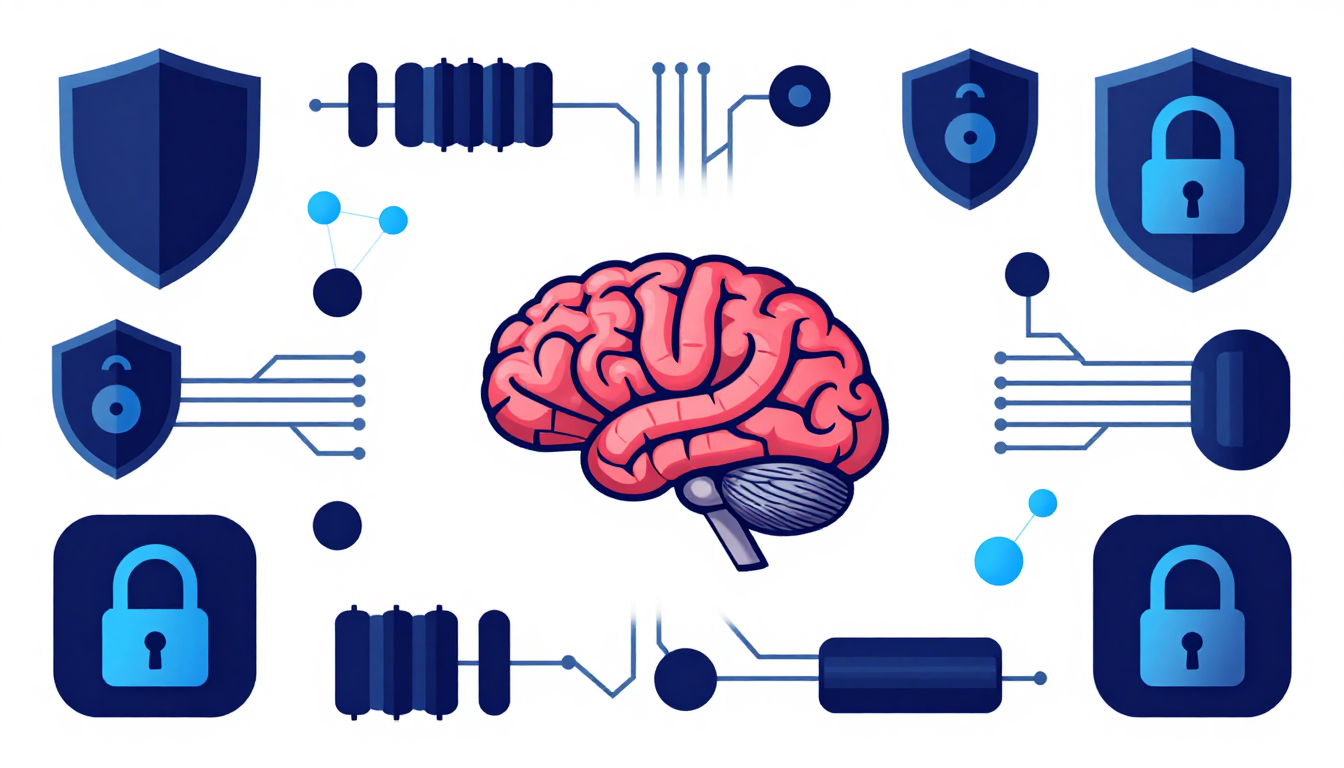
How a Brain Reflex Center Cut AI's Energy Use by 10,000 Times
Northwestern engineers built a cerebellum-inspired memtransistor from atomically thin molybdenum disulfide that ignores routine data and flags the unexpected — detecting heart arrhythmias within a fraction of a heartbeat using 10,000-fold fewer operations than conventional AI.
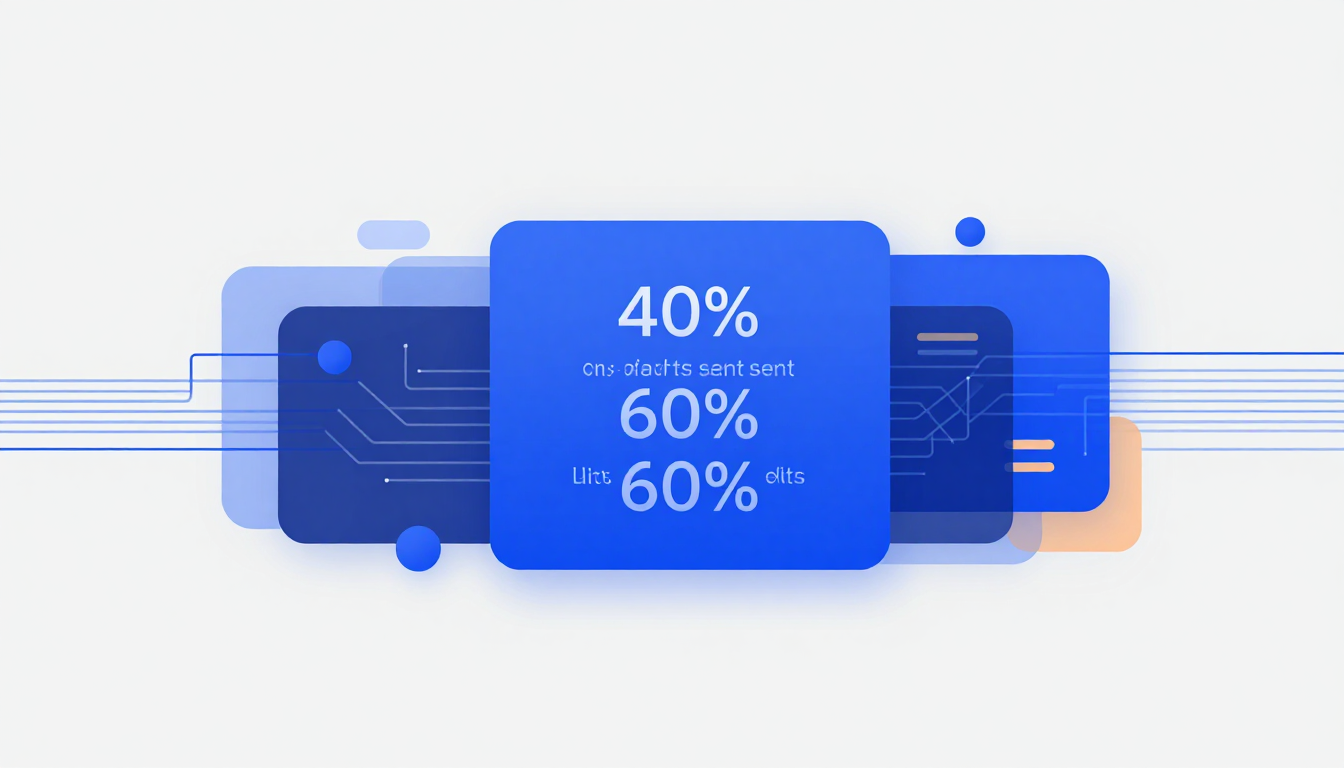
Superhuman’s Agentic Labs AI Auto-Draft Is the First That Feels Like Me
Superhuman’s agentic labs AI auto-draft is the first that feels like me—40% of drafts sent same-day, 60% of those with zero edits. Here’s what changed.
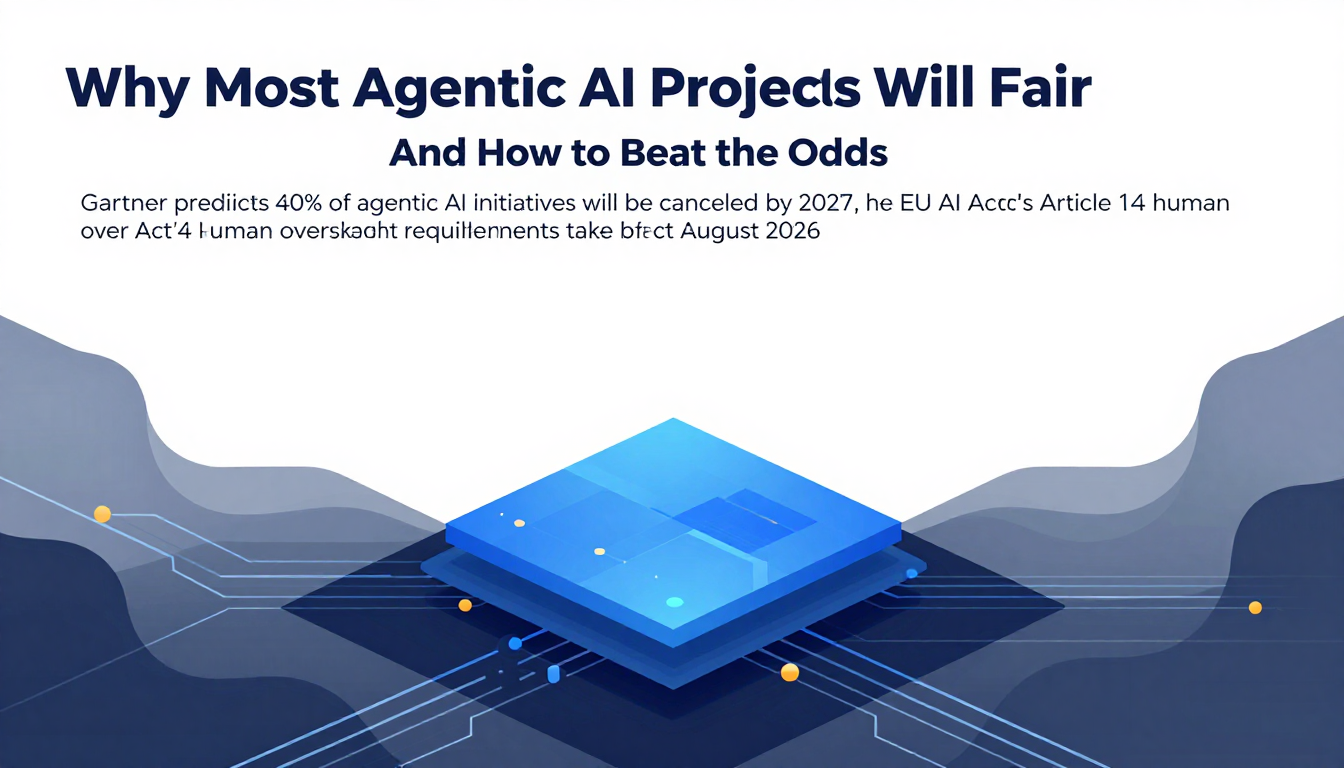
Why Most Agentic AI Projects Will Fail — And How to Beat the Odds
Gartner predicts 40% of agentic AI initiatives will be canceled by 2027, while the EU AI Act's Article 14 human oversight requirements take effect August 2026. This article examines the three critical infrastructure layers—identity, observability, and cost optimization—that determine whether agentic AI deployments survive or stall.

API-Driven ClickFix and the Evolution of Artificial Intelligence Cybersecurity Threats
As ClickFix transitions to an API-driven, on-demand service, threat actors use freshly scrambled payloads and native Windows utilities to bypass traditional AV and EDR solutions, making memory and YARA analysis critical for defenders.
What Traditional Accounting Methods Hide From Financial Statements Amid the AI Buildout
Kevin Koharki of CAE Consulting joins WSJ's Take On the Week to explain how traditional accounting methods obscure the true scale and implications of big tech's AI infrastructure spending from financial statements.